·ScienceDaily·· 2 min read
Scientists Turn DNA into Memory Device, Sipping Power Like a Pro
ai intermediate
TL;DR
Scientists merge DNA with semiconductors, creating ultra-low-power memory devices that could revolutionize AI and computer energy efficiency.
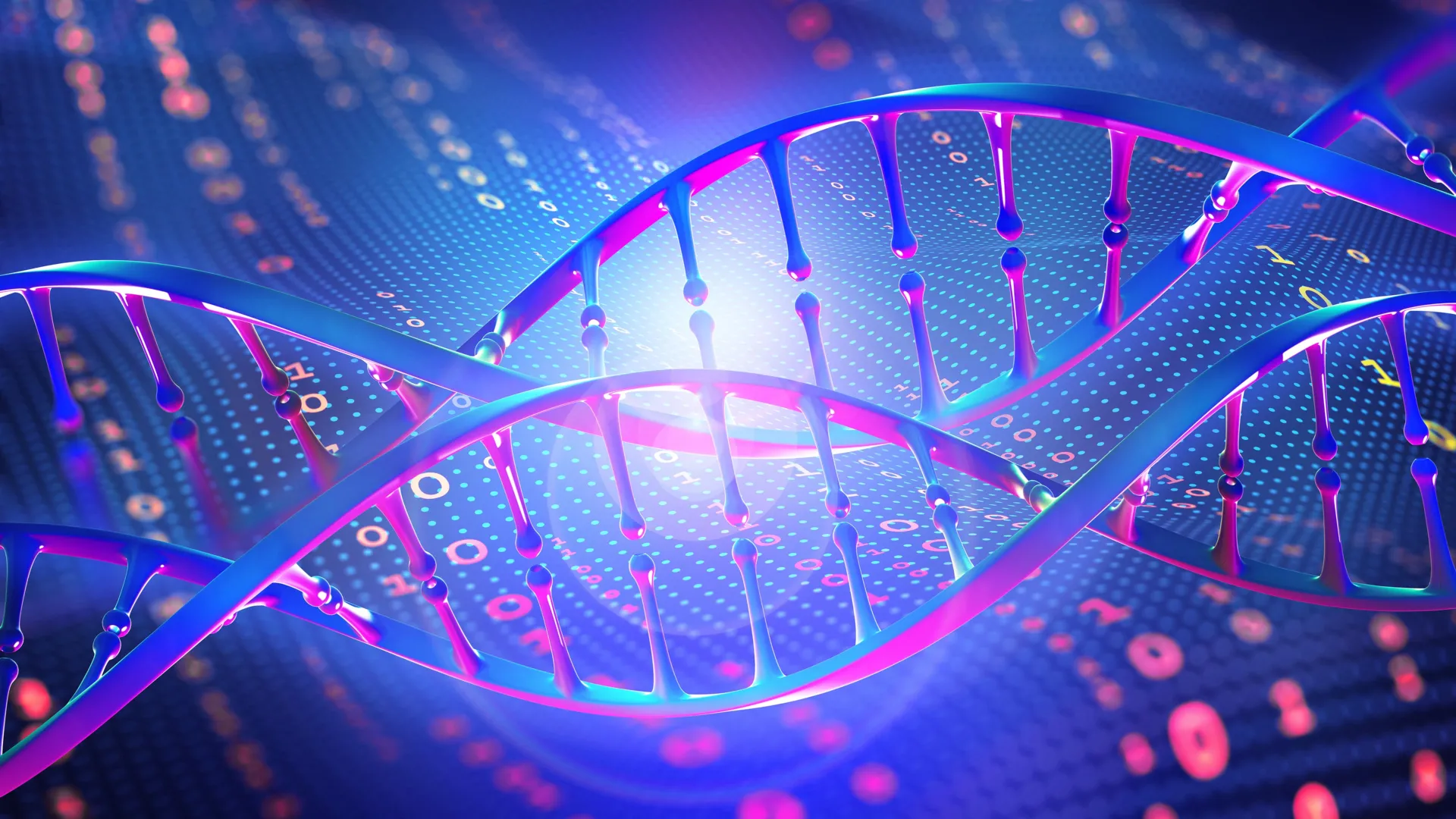
Google just killed Kubernetes pricing as we know it. Researchers have successfully merged synthetic DNA with a semiconductor to create an ultra-low-power memory device that can store and process information in the same place. This bio-hybrid tech has massive implications for AI systems and next-gen computers, potentially making them much more energy efficient.
Key Takeaways
- •Use this new memory device to build AI systems that sip power like a pro
- •Start exploring DNA-based storage solutions for your next project
- •Consider the potential for ultra-low-power computing in edge devices
dnamemory-deviceaicomputingenergy-efficiency
High Quality Source
Originally published on ScienceDaily. Summarized by ContentBuffer.
Comments
Subscribe to join the conversation...
Be the first to comment
Enjoyed this article?
Get it daily. 7am. Free. Reads in 5 minutes.
Join 3,303 builders reading daily.