The stories worth reading. Updated all day.
The Department of Defense announced agreements with eight major technology companies — SpaceX, OpenAI, Google, Microsoft, Nvidia, AWS, Oracle, and Reflection — to deploy AI tools across classified networks. Anthropic, blacklisted by the Trump administration, was notably excluded despite urging the Pentagon to adopt safety guardrails for AI in warfare.
OpenAI secured a $10 billion deployment vehicle anchored by TPG, while rival Anthropic countered with a $1.5 billion joint venture led by Blackstone, Hellman & Friedman, and Goldman Sachs. Private equity has become the primary deployment channel for frontier AI in the enterprise.
Mayo Clinic's REDMOD AI flagged pancreatic cancer signatures on routine CT scans up to three years before clinical diagnosis, catching 73% of future cases in retrospective testing. The system promises a major leap in early detection of one of the deadliest cancers.
Wafer-scale AI chip maker Cerebras Systems filed updated paperwork to sell 28 million shares at $115–$125 each, raising up to $3.5 billion and valuing the company at up to $26.6 billion. The IPO would be the largest pure-play AI silicon listing to date.
Sierra, the customer-experience AI startup co-founded by Bret Taylor, raised $950 million at a $15.8 billion post-money valuation. The round was led by Tiger Global and GV, cementing Sierra as the leader in enterprise AI agents for customer service.
BMW i Ventures launched a new $300 million fund focused on agentic AI, physical AI, robotics, manufacturing, supply chain technology, and industrial software. The vehicle reflects BMW's bet that AI agents and humanoids will reshape the industrial supply chain.
Get it daily. 7am. Free. Reads in 5 minutes.
Mandiant's M-Trends 2026 report found that AI is accelerating both attackers and defenders, with 28.3% of disclosed CVEs now exploited within 24 hours of disclosure. The average time to remediate a known high or critical CVE has stretched to 74 days, widening the exposure gap.
TSMC accelerated its 2nm production expansion, doubling the pace to target five operational fabs by the end of 2026. The aggressive expansion responds to surging demand for advanced AI processors from Nvidia, AMD, and hyperscaler in-house silicon programs.
NVIDIA launched Ising, a family of open-source AI models built to accelerate quantum computing. The models deliver up to 2.5x faster and 3x more accurate quantum error-correction decoding than conventional methods, addressing one of the field's longest-standing bottlenecks.
Sierra, the AI agents startup co-founded by Bret Taylor, closed nearly $1 billion at a $15.8 billion post-money valuation. The round, reported by CNBC, was led by Tiger Global with participation from OpenAI's strategic fund — strengthening ties between Sierra and the model provider whose APIs power its agents.
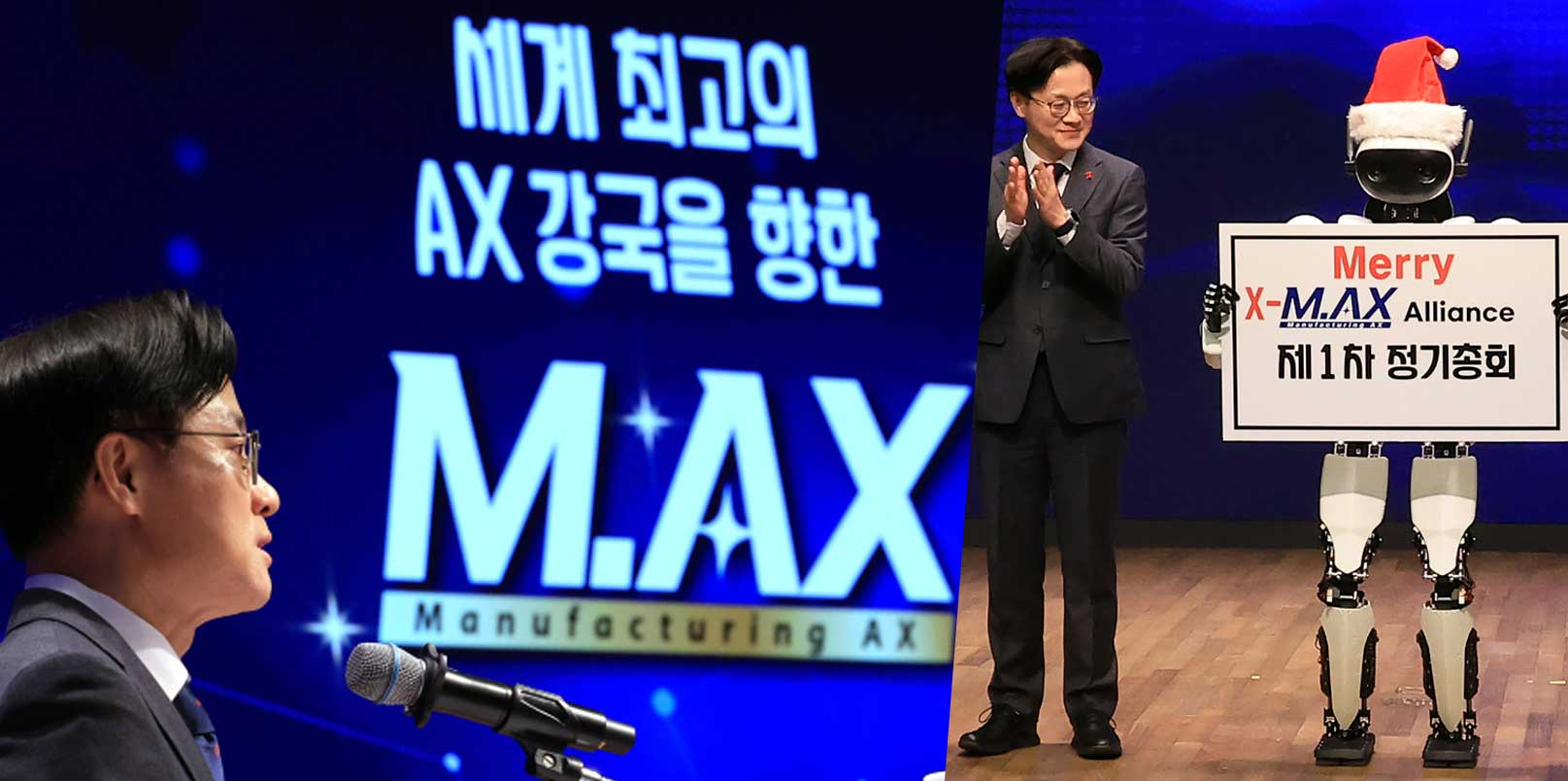
South Korea's Ministry of Trade, Industry and Energy is investing 700 billion KRW (≈$525M) in 2026 to expand the Manufacturing AI Transformation (M.AX) program. The public-private alliance has grown to 1,300 organizations including Samsung Electronics, Hyundai Motor, SK Inc., and Rainbow Robotics.
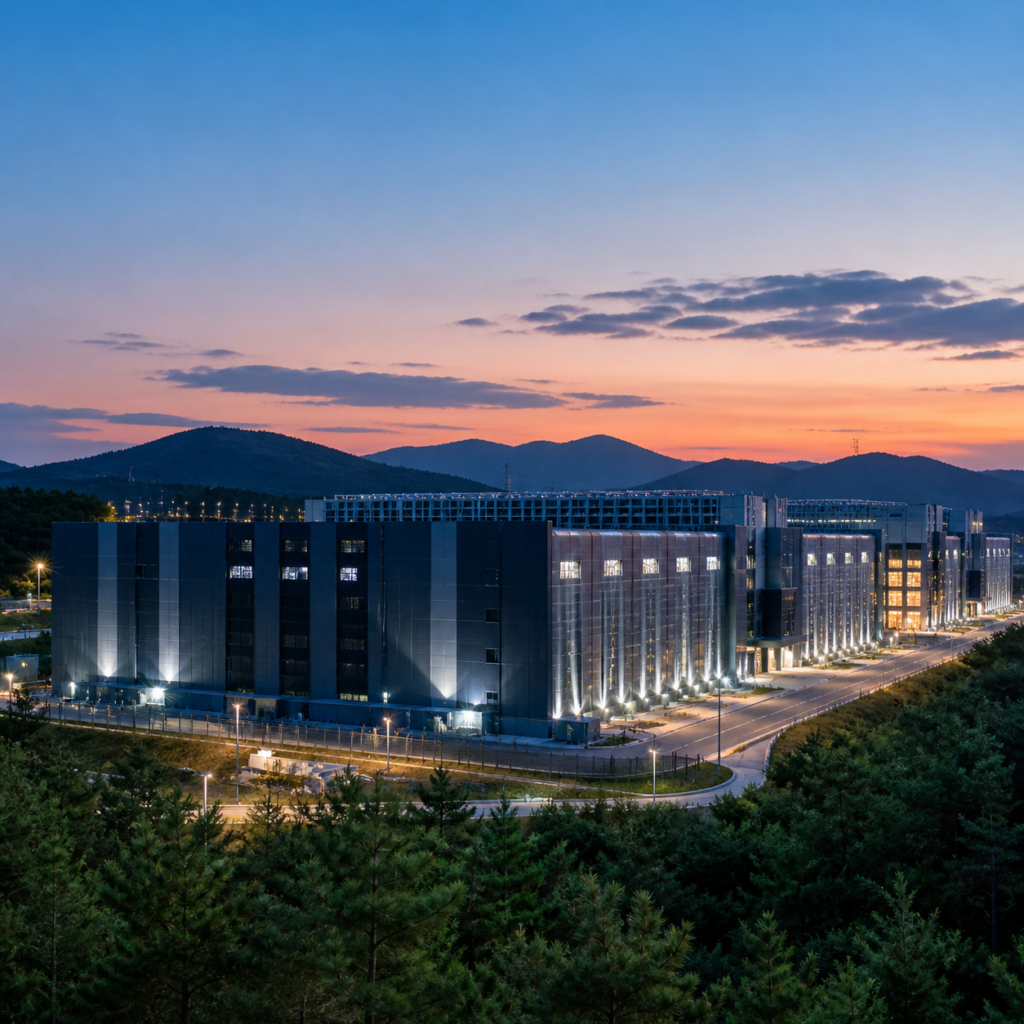
Hyundai Motor Group signed a memorandum committing 9 trillion won ($6.3 billion) to a single integrated industrial hub that spans an AI data center, a robotics manufacturing cluster, a 200-megawatt water electrolysis plant, and gigawatt-scale solar generation. It is the largest single AI-physical infrastructure deal in Korean history.