🚀AI Finds 6 Successful GRCop-42 Print Configs in 3 Months
AI slashes the guesswork in 3D printing
TL;DR
Researchers used AI to find 6 successful configurations for printing GRCop-42, a high-performance NASA alloy, in just 40 experiments over 3 months. The method could revolutionize 3D printing and drug discovery.
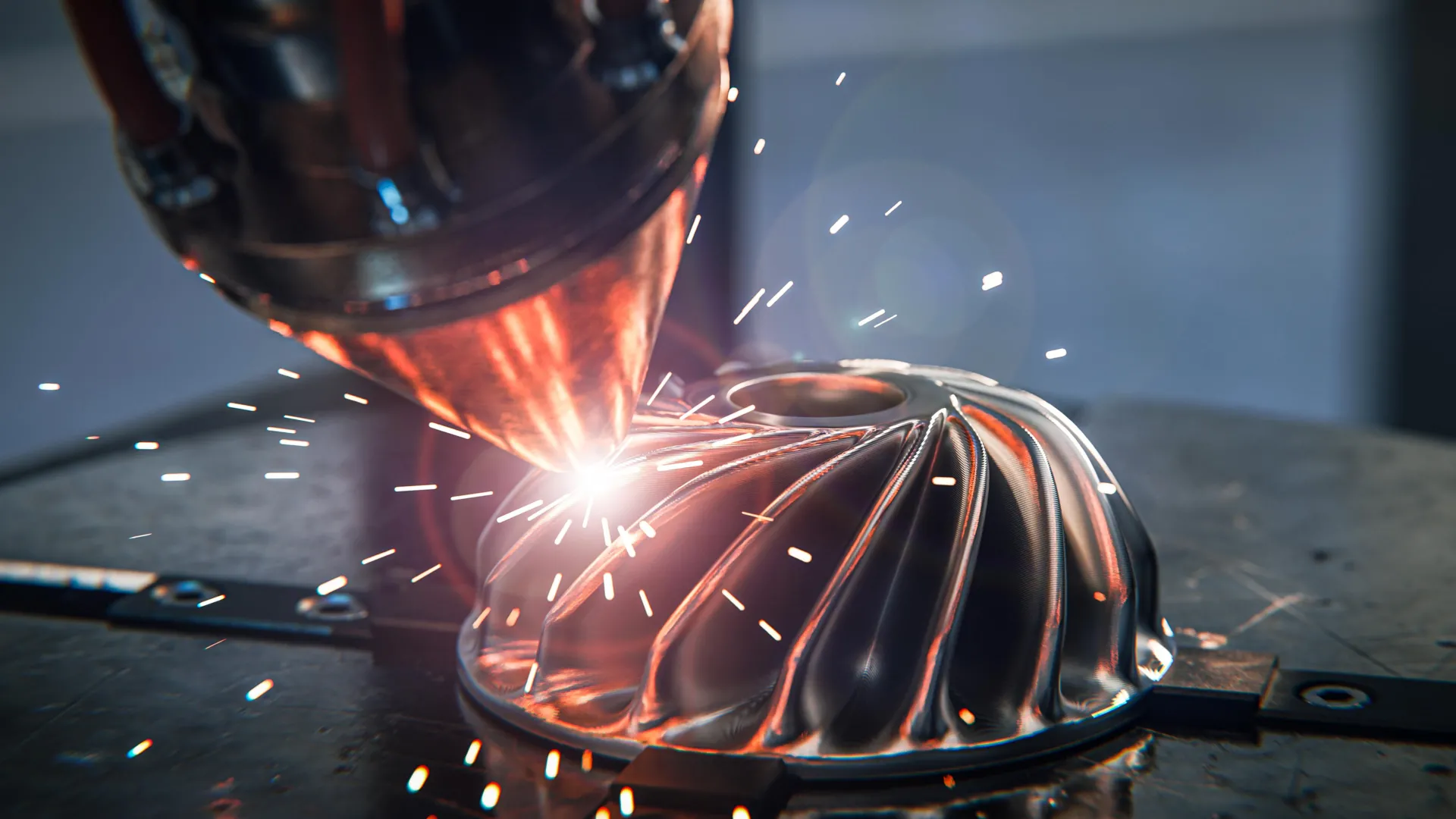
Researchers used AI to identify 6 successful configurations for printing GRCop-42, a high-performance NASA alloy, in just 40 experiments over 3 months. This breakthrough could drastically reduce the time and cost of 3D printing complex materials. The AI model developed can estimate the likelihood of success for untested settings, making it a game-changer for industries like aerospace and pharmaceuticals where testing every possible configuration is impractical. The method could also be adapted to identify workable processing conditions for other metal alloys and additive manufacturing systems.
Key Points
Researchers used AI to identify 6 successful configurations for printing GRCop-42, a high-performance NASA alloy, in just 40 experiments over 3 months.
The AI model estimated the likelihood of success for untested settings, reducing the need for exhaustive testing.
The alloy, GRCop-42, is made from copper, chromium, and niobium, used in aerospace systems like liquid rocket engine combustion chambers.
Previous attempts to print GRCop-42 using lower wattages available on common commercial machines had not succeeded.
The method could help scientists tackle problems where successful results are uncommon and testing every option is prohibitively expensive.
Why It Matters
If you're working on complex materials in aerospace or pharmaceuticals, the AI method for GRCop-42 could drastically reduce the time and cost of finding successful configurations. For instance, in aerospace, this could mean faster development of new parts and systems. In drug discovery, it could accelerate the identification of promising compounds.
Frequently Asked Questions
Why does this matter?
If you're working on complex materials in aerospace or pharmaceuticals, the AI method for GRCop-42 could drastically reduce the time and cost of finding successful configurations. For instance, in aerospace, this could mean faster development of new parts and systems. In drug discovery, it could accelerate the identification of promising compounds.
What happened?
Researchers used AI to find 6 successful configurations for printing GRCop-42, a high-performance NASA alloy, in just 40 experiments over 3 months. The method could revolutionize 3D printing and drug discovery.
Comments
Be the first to comment
Enjoyed this article?
Get it daily. 7am. Free. Reads in 5 minutes.
Join 3,360 builders reading daily.