💡AI Radiology Grows: 26% Surge in Radiologists by 2050
AI is reshaping radiology, but humans aren't going anywhere just yet
TL;DR
The FDA has cleared over 1000 AI-enabled medical devices for radiology since early 2026. Despite this, human oversight remains essential to catch rare errors and ensure patient safety.
AI is rapidly changing the landscape of radiology with the FDA approving over a thousand AI-assisted devices by early 2026. However, while these tools can spot more polyps in colonoscopies than traditional methods, they still make mistakes that humans must catch. Radiologists need to balance trust in AI's technical precision with their own experience and flexibility to improve patient outcomes. The key challenge is integrating human expertise with machine accuracy without falling into automation bias or complacency.
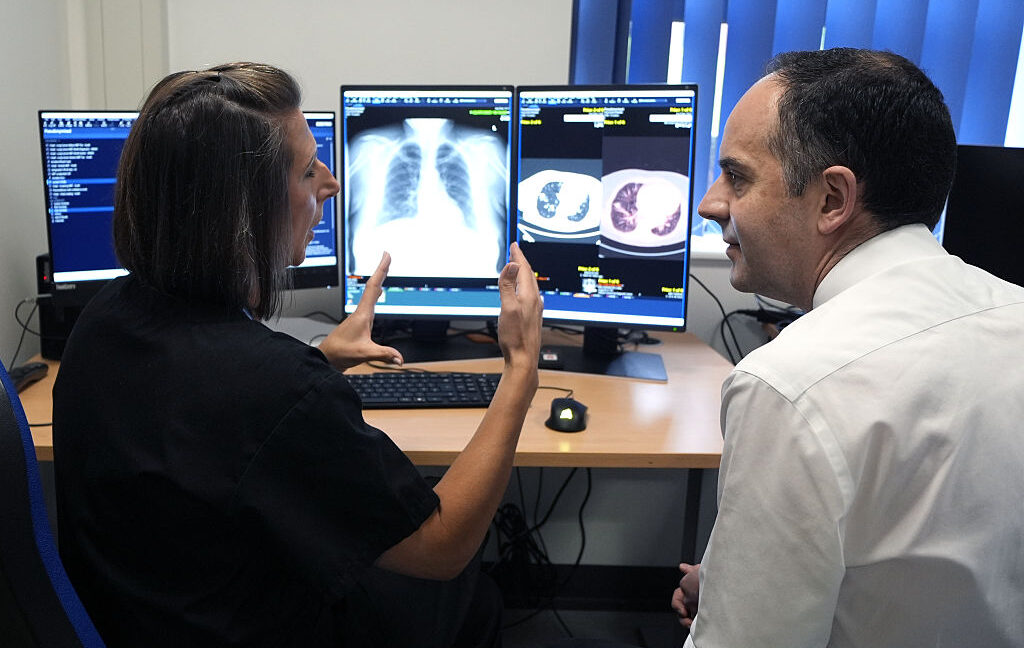
Key Points
Over three-quarters of the FDA's 1400 cleared AI medical devices are for radiology as of early 2026.
AI-assisted colonoscopies reveal more polyps than conventional methods, improving diagnostic accuracy in clinical trials.
Human error rates in interpreting diagnostic images range from 3 to 5%, leading to an estimated 40 million errors annually.
Radiologists need to evaluate AI decisions and identify rare instances where the algorithm is incorrect.
Combining human expertise with AI's technical precision remains key for improving patient outcomes.
Why It Matters
If you're a radiologist, this means your role isn't being replaced but enhanced by AI. You'll need to balance trust in tech while still catching its rare mistakes. This shift impacts how medical imaging is interpreted and could improve patient care significantly.
Frequently Asked Questions
Why does this matter?
If you're a radiologist, this means your role isn't being replaced but enhanced by AI. You'll need to balance trust in tech while still catching its rare mistakes. This shift impacts how medical imaging is interpreted and could improve patient care significantly.
What happened?
The FDA has cleared over 1000 AI-enabled medical devices for radiology since early 2026. Despite this, human oversight remains essential to catch rare errors and ensure patient safety.
Comments
Be the first to comment
Enjoyed this article?
Get it daily. 7am. Free. Reads in 5 minutes.
Join 3,315 builders reading daily.