🔑Airbnb Redesigns Auth, Cuts Code by 60%
Airbnb's new auth system makes login flows easier to change
TL;DR
Airbnb overhauled its authentication to centralize decisions on a server, cutting client-side code by 60% and boosting successful logins by 2.6%. This move simplifies regional and experimental changes.
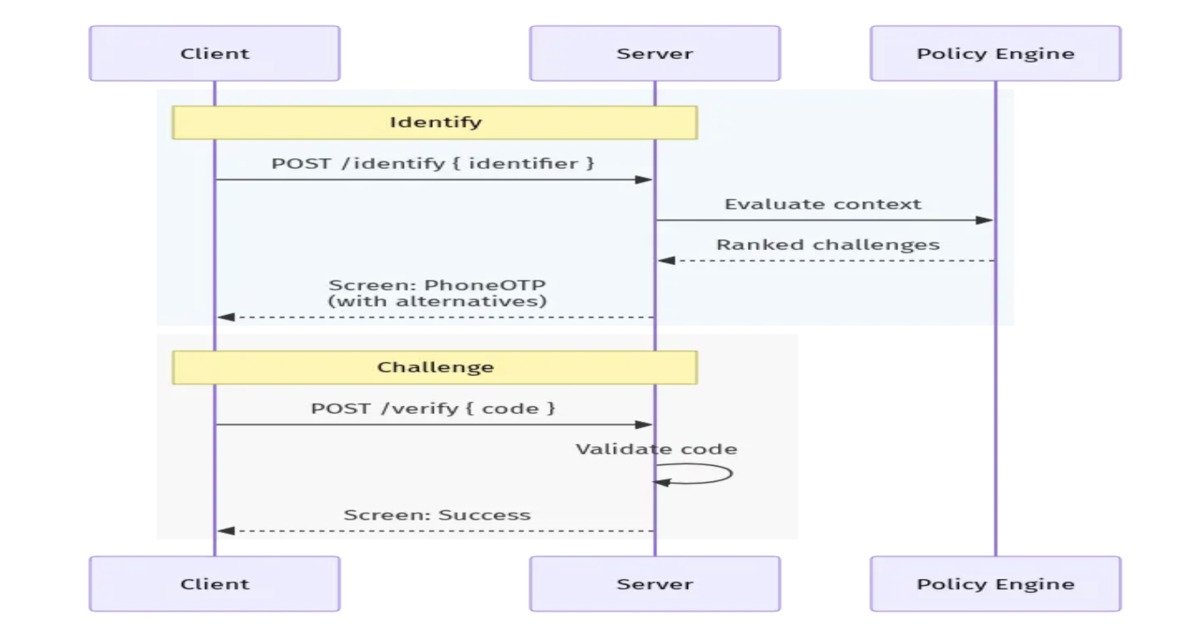
Airbnb just overhauled its authentication architecture, moving decisions to a server-side policy engine. This redesign slashes client-side code by 60%, reduces web client bundle size by 100 KB, and bumps successful logins by 2.6%. The new system also cuts duplicate account creation by 27% and reduces OTP costs by 11%. For developers, this means easier regional and experimental changes without client updates, streamlining user flows and error handling.
Key Points
Airbnb's new system reduces client-side authentication code by 60%, streamlining development.
Web client bundle size shrinks by 100 KB, improving app load times and user experience.
Successful logins increase by 2.6%, enhancing user satisfaction and reducing support calls.
Duplicate account creation drops by 27%, improving security and reducing maintenance overhead.
OTP costs are reduced by 11%, saving Airbnb money on authentication methods.
Why It Matters
If you're building a multi-platform app, Airbnb's new auth system shows how to centralize decisions on a server, cutting client-side code and boosting login success. This approach simplifies regional and experimental changes, making it easier to adapt user flows and error handling without client updates.
Frequently Asked Questions
Why does this matter?
If you're building a multi-platform app, Airbnb's new auth system shows how to centralize decisions on a server, cutting client-side code and boosting login success. This approach simplifies regional and experimental changes, making it easier to adapt user flows and error handling without client updates.
What happened?
Airbnb overhauled its authentication to centralize decisions on a server, cutting client-side code by 60% and boosting successful logins by 2.6%. This move simplifies regional and experimental changes.
Comments
Be the first to comment
Enjoyed this article?
Get it daily. 7am. Free. Reads in 5 minutes.
Join 3,463 builders reading daily.