🔒Apple Blocks App Store Access for Fake Sean Byrne Match
Your name could be on a restricted list without you knowing
TL;DR
Apple denied access to the App Store for a user falsely matched against Sean Byrne, an alias used by Mac Aviation in illegal export cases. This highlights issues with U.S. government screening tools and false positives.
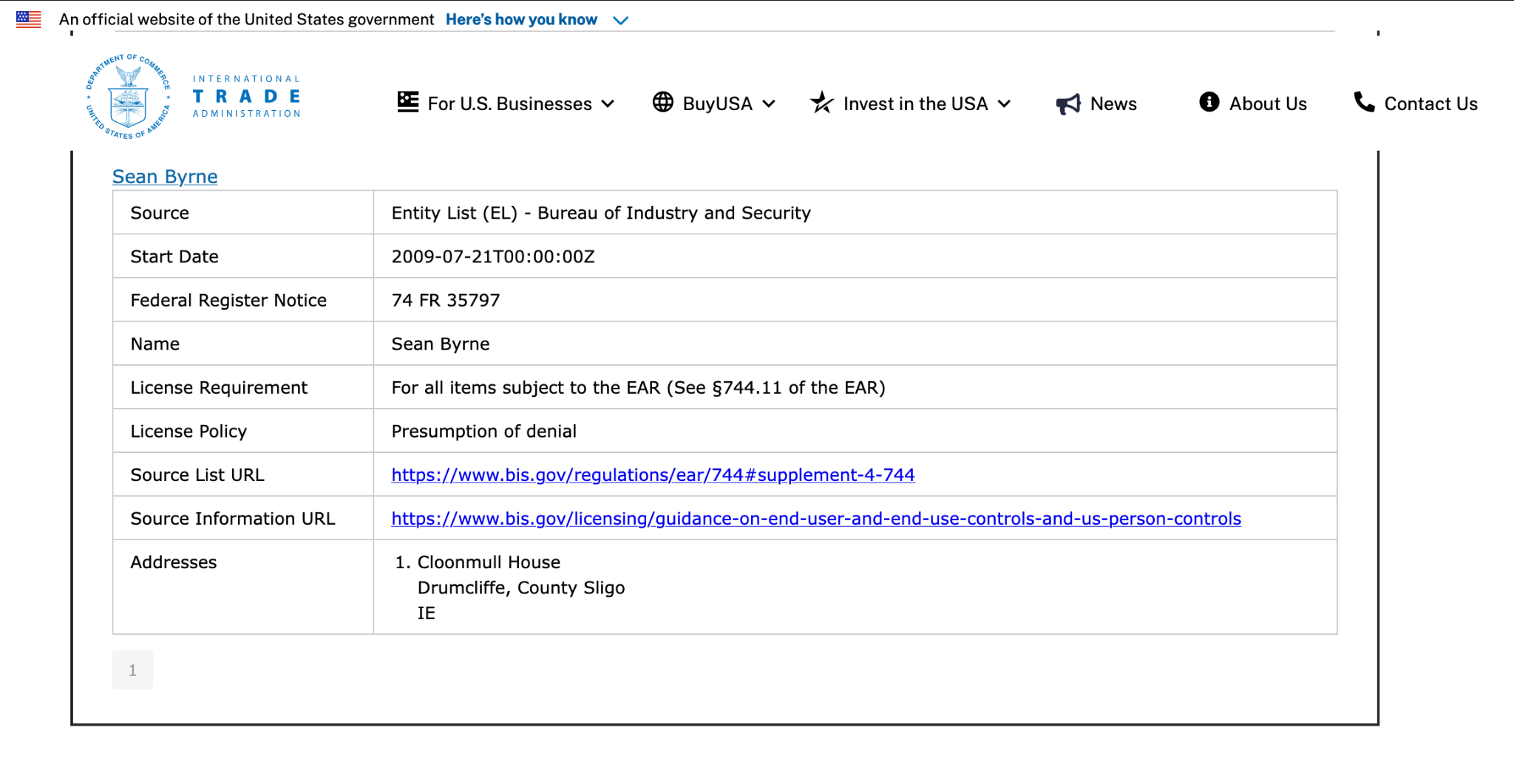
Apple blocked access to the App Store Connect due to a match on the Consolidated Screening List, which combines various restricted-party lists maintained by the U.S. government. The Entity List entry for Sean Byrne lacks personal identifiers like date of birth or middle name, making it hard to resolve false matches. This affects developers and businesses relying on accurate identity verification when dealing with U.S. export controls. The Entity List's 'Presumption of denial' licensing posture means that any match defaults to no license for exports until proven otherwise. This can cause significant delays and disruptions in business operations, especially if the matched individual is a false positive or has incomplete personal data on record.
Key Points
Mac Aviation used fake names like 'Sean Byrne' in illegal export cases of US aircraft equipment to Iran (2009).
The Entity List entry for Sean Byrne lacks personal identifiers such as date of birth or middle name, complicating resolution.
Nasdaq stopped an order due to a background check matching the name Sean Byrne but resolved with additional documentation.
DHL required a copy of the passport before shipping Starlink equipment due to a restricted-party match, causing delays.
Twelve American men named Robert Johnson were falsely matched against aliases of individuals convicted of plotting bombings.
Why It Matters
Developers and businesses relying on accurate identity verification face significant disruptions when dealing with U.S. export controls. Incomplete or inaccurate data in government lists can lead to false positives, blocking access to critical services like the App Store Connect without clear resolution paths.
Frequently Asked Questions
Why does this matter?
Developers and businesses relying on accurate identity verification face significant disruptions when dealing with U.S. export controls. Incomplete or inaccurate data in government lists can lead to false positives, blocking access to critical services like the App Store Connect without clear resolution paths.
What happened?
Apple denied access to the App Store for a user falsely matched against Sean Byrne, an alias used by Mac Aviation in illegal export cases. This highlights issues with U.S. government screening tools and false positives.
Comments
Be the first to comment
Enjoyed this article?
Get it daily. 7am. Free. Reads in 5 minutes.
Join 3,013 builders reading daily.