🐟Artificial Beaver Dams Boost Salmon Survival in California
Salmon survival rates soar after artificial beaver dams
TL;DR
Artificial beaver dams in California have dramatically increased juvenile coho salmon survival rates, from 8% to 60%. The project highlights the impact of small-scale interventions on ecosystem health.
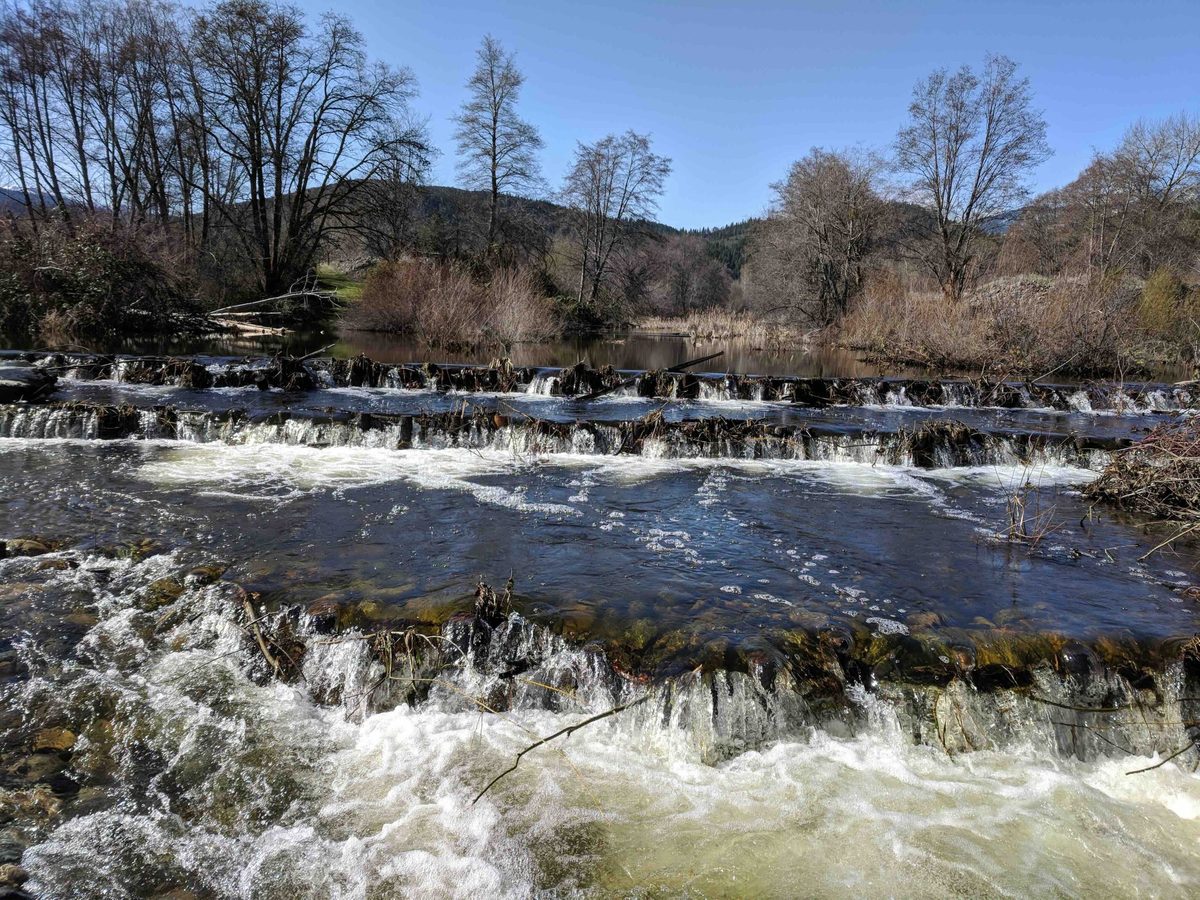
Artificial beaver dams built in northern California have dramatically boosted the survival rates of juvenile coho salmon, soaring from 8% to 60%. This project, initiated by the Scott River Watershed Council in 2015, demonstrates how small-scale interventions can yield significant environmental benefits. The dams, constructed using wooden posts and natural materials, created around 9,000 square meters of new habitat, supporting over 8,500 young salmon. The restored habitats maintained cooler water temperatures, crucial for fish survival and growth. This initiative underscores the importance of beavers in stream ecosystems and the potential for similar projects to restore degraded habitats.
Key Points
Scott River Watershed Council built two artificial beaver dams on Sugar Creek in 2015.
The dams were constructed using wooden posts, willow and conifer branches, and natural materials like gravel, straw, and mud.
The restored habitats supported over 8,500 young coho salmon, a significant increase from pre-dam levels.
Juvenile coho survival rates increased from 8% to 60% after the dams were built, highlighting their impact on ecosystem health.
The project demonstrates the potential of small-scale interventions to restore degraded habitats and boost wildlife populations.
Why It Matters
If you're involved in stream restoration or wildlife conservation, the success of artificial beaver dams in California shows how small-scale projects can yield significant environmental benefits. The restored habitats supported over 8,500 young salmon, with survival rates increasing from 8% to 60%. This highlights the importance of beavers in stream ecosystems and the potential for similar projects to restore degraded habitats.
Frequently Asked Questions
Why does this matter?
If you're involved in stream restoration or wildlife conservation, the success of artificial beaver dams in California shows how small-scale projects can yield significant environmental benefits. The restored habitats supported over 8,500 young salmon, with survival rates increasing from 8% to 60%. This highlights the importance of beavers in stream ecosystems and the potential for similar projects to restore degraded habitats.
What happened?
Artificial beaver dams in California have dramatically increased juvenile coho salmon survival rates, from 8% to 60%. The project highlights the impact of small-scale interventions on ecosystem health.
Comments
Be the first to comment
Enjoyed this article?
Get it daily. 7am. Free. Reads in 5 minutes.
Join 3,465 builders reading daily.