🎨Building Retro Dithering Effects with WebGL and React Three Fiber
Retro dithering effects for modern 3D scenes
TL;DR
Explore retro dithering effects in 3D scenes using WebGL and React Three Fiber. Learn how to implement dithering techniques and create custom post-processing effects.
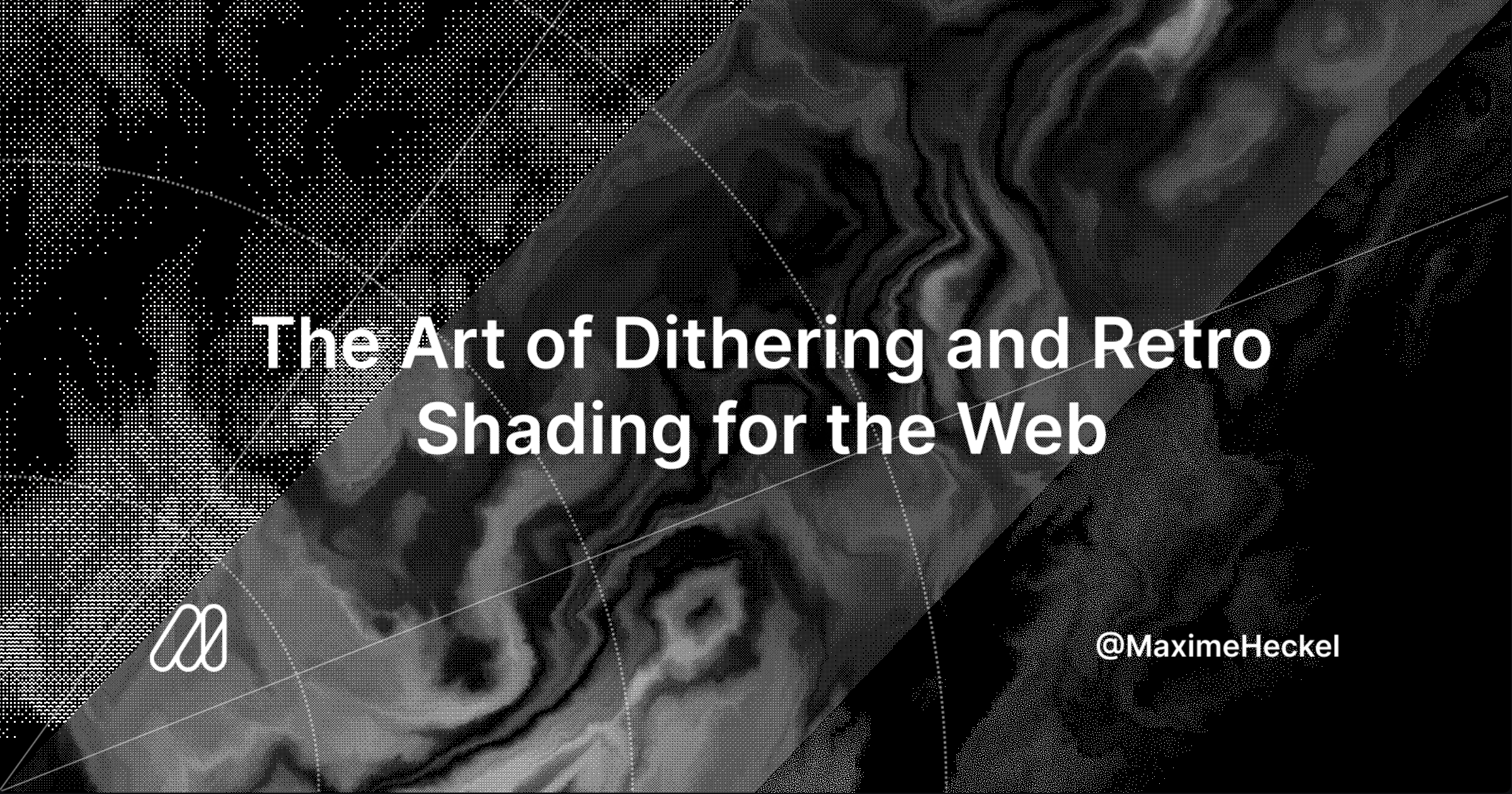
Dive into the art of dithering and retro shading for modern 3D scenes. This article covers building custom post-processing effects to apply dithering techniques, enhancing the visual contrast between modern and retro technology. Developers can implement dithering using a 4x4 Bayer Matrix in GLSL, creating a unique visual effect that can be applied to any 3D scene. This technique offers an additional creative outlet for those working with WebGL and React Three Fiber, pushing the boundaries of visual artistry in web development.
Key Points
Implement dithering using a 4x4 Bayer Matrix in GLSL for a unique visual effect.
Create custom post-processing effects for 3D scenes using React Three Fiber.
Explore examples of beautifully executed dithering art from talented developers.
Start with a simple luminance-based white noise dithering technique.
Learn how to apply dithering to enhance the visual contrast in modern scenes.
Why It Matters
If you're working with WebGL and React Three Fiber, dithering techniques offer a new way to enhance visual artistry. Implementing a 4x4 Bayer Matrix in GLSL can create unique visual effects that add a retro touch to modern 3D scenes. This technique is particularly useful for developers looking to push the boundaries of visual creativity in web development.
Comments
Be the first to comment
Enjoyed this article?
Get it daily. 7am. Free. Reads in 5 minutes.
Join 3,570 builders reading daily.