🔬Comb Jellies Reveal Secrets of Early Animal Evolution
These Jelly-Like Creatures Hold Clues to Animal Origins
TL;DR
Comb jellies, or ctenophores, are helping scientists understand the evolution of nervous systems and bioluminescence. With over 4,000 loops in their genome, these creatures are rewriting our understanding of early animal life.
Comb jellies, or ctenophores, are shedding light on the origins of nervous systems and bioluminescence. These gelatinous blobs, which split off from other animals around 700 million years ago, are proving to be key players in understanding early animal evolution. Their unique nervous system, which lacks synapses but is still highly functional, challenges our understanding of neural development. With over 4,000 loops in their genome, comb jellies are providing insights into the genetic underpinnings of complex traits. Researchers are uncovering new cell types and developmental processes, making these organisms a hotbed for evolutionary biology.
Key Points
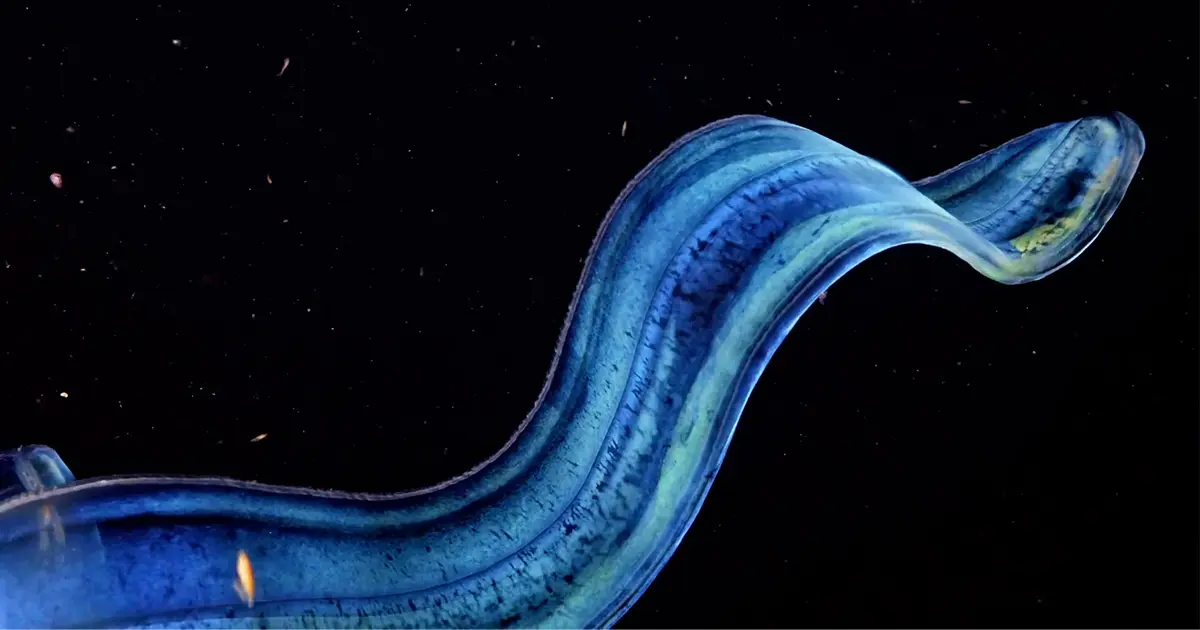
Ctenophores, like the Venus' girdle, can grow up to 1.5 meters long, making them one of the largest ctenophore species.
Around 700 million years ago, comb jellies diverged from other animals, forming a crucial branch in the animal kingdom.
Marine Biological Laboratory identified 17 unique cell types in Mnemiopsis leidyi, 11 of which were previously unknown.
Some species of ctenophores have the Benjamin Button-like ability to reverse their development from adult to larval stages.
Ctenophores have a unique cell type called colloblasts that helps them catch prey as they move through water.
Why It Matters
Comb jellies are rewriting our understanding of early animal evolution. Researchers studying Mnemiopsis leidyi, a common ctenophore, have identified 17 unique cell types, 11 of which were previously unknown. This discovery is crucial for evolutionary biologists studying the origins of complex body shapes and nervous systems. The unique nervous system of ctenophores, with neurons connected by continuous cytoplasm, challenges traditional views of neural development.
Comments
Be the first to comment
Enjoyed this article?
Get it daily. 7am. Free. Reads in 5 minutes.
Join 3,483 builders reading daily.