🐶Dogs Can Tell Happy Faces From Negative Emotions
Your Dog Knows If You're Sad or Angry
TL;DR
Scientists used fMRI scans to show dogs can distinguish between happy and negative human facial expressions, including fear, anger, and sadness. The study reveals specific brain regions involved in processing these emotions.
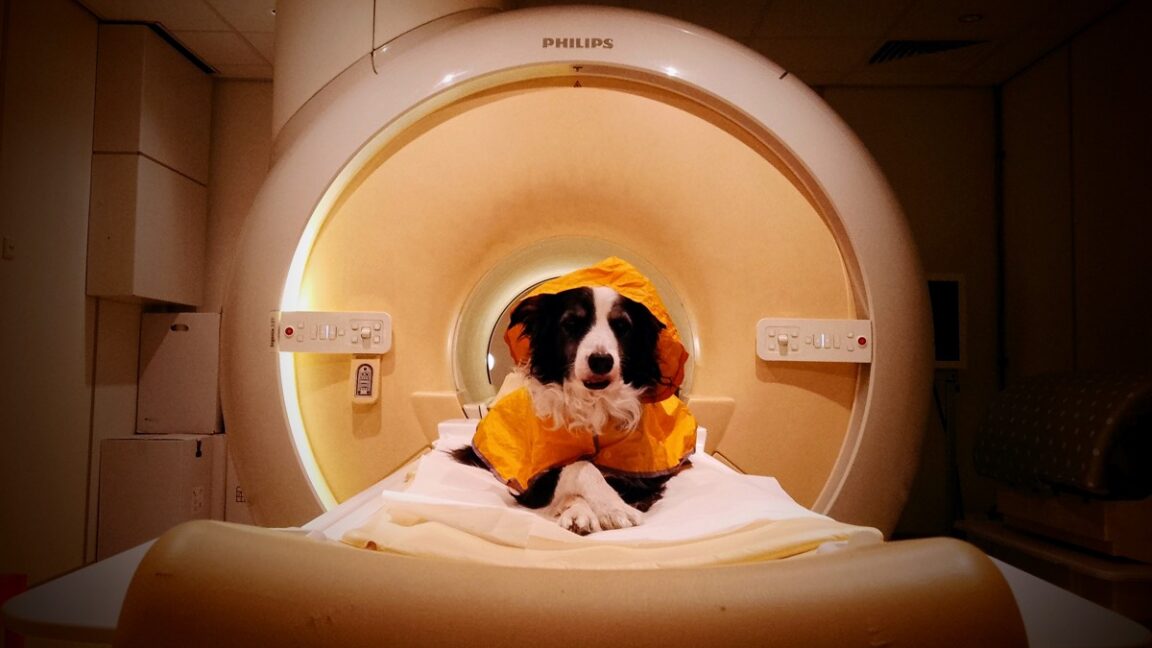
Researchers performed fMRI scans on eight dogs to understand how they process human facial expressions. They found that dogs can tell the difference between happiness and negative emotions like fear, anger, and sadness. This ability is rooted in specific brain regions such as the left temporal cortex, caudate nucleus, hippocampus, and amygdala. The study highlights the evolutionary significance of this trait for canine-human cooperation.
Key Points
Eight dogs, including six border collies and two other breeds, participated in the study published in iScience (2026).
Each dog was shown a series of human faces with neutral or happy expressions for seven seconds during fMRI scans.
The left temporal cortex showed stronger responses to human faces compared to dog faces, indicating species-specific recognition.
Dogs' caudate nucleus and hippocampus had greater activity in response to emotional versus neutral human faces.
A follow-up study with 12 dogs identified distinct brain patterns for fear, anger, and sadness.
Why It Matters
If you're training service dogs or studying animal behavior, this research is crucial. It shows how specific canine brain regions process human emotions, impacting our understanding of domestication and interspecies communication.
Frequently Asked Questions
Why does this matter?
If you're training service dogs or studying animal behavior, this research is crucial. It shows how specific canine brain regions process human emotions, impacting our understanding of domestication and interspecies communication.
What happened?
Scientists used fMRI scans to show dogs can distinguish between happy and negative human facial expressions, including fear, anger, and sadness. The study reveals specific brain regions involved in processing these emotions.
Comments
Be the first to comment
Enjoyed this article?
Get it daily. 7am. Free. Reads in 5 minutes.