🔥El Niño's Impact on Global Climate Surges 36.5% Since Preindustrial Times
El Niño's punch is getting stronger, thanks to global warming
TL;DR
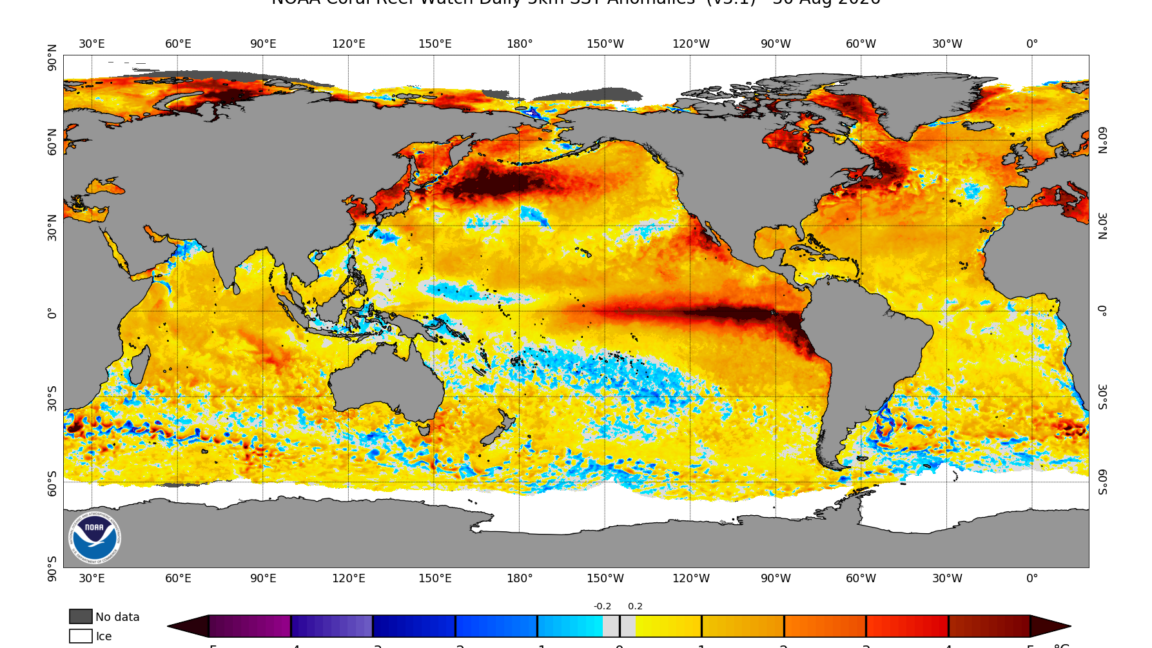
New research shows El Niño's effects on global climate have intensified by 36.5% since preindustrial times, with the eastern Pacific seeing the strongest changes. This shift is attributed to human-induced warming, making extreme weather events more dramatic.
El Niño's influence on global climate has surged by 36.5% since preindustrial times, with the eastern Pacific experiencing the most dramatic changes. This intensification is directly linked to human-induced global warming, making extreme weather events more severe. The study, based on coral records from the Galápagos, reveals that El Niño's temperature swings are now more pronounced, with wet phases getting wetter and dry phases drier. Scientists are confident that these changes are due to warming caused by the use of fossil fuels, indicating a new normal for El Niño events.
Key Points
Coral records from the Galápagos show El Niño temperature swings are now 36.5% more dramatic than preindustrial times.
The strontium-to-calcium ratio in coral skeletons decreases as temperatures rise, indicating warmer events are getting stronger.
Global warming is expected to intensify ENSO's hydrological consequences, making floods and droughts worse in a warmer world.
The study's findings suggest that the current changes are not a fluke but a new type of situation for El Niño.
Climate models predict an ambiguous central Pacific coral record, with heavy El Niño rainfall changing oxygen levels in water.
Why It Matters
If you're in a region affected by El Niño, the new research on its intensification due to global warming means you should expect more extreme weather events. For example, coastal areas prone to flooding during El Niño events will see more severe impacts, while drought-prone regions will face drier conditions. This shift is significant for anyone planning infrastructure or managing natural resources in these areas.
Frequently Asked Questions
Why does this matter?
If you're in a region affected by El Niño, the new research on its intensification due to global warming means you should expect more extreme weather events. For example, coastal areas prone to flooding during El Niño events will see more severe impacts, while drought-prone regions will face drier conditions. This shift is significant for anyone planning infrastructure or managing natural resources in these areas.
What happened?
New research shows El Niño's effects on global climate have intensified by 36.5% since preindustrial times, with the eastern Pacific seeing the strongest changes. This shift is attributed to human-induced warming, making extreme weather events more dramatic.
Comments
Be the first to comment
Enjoyed this article?
Get it daily. 7am. Free. Reads in 5 minutes.
Join 3,416 builders reading daily.