🧠Embryonic Nerves Develop in Segments, Like Insects
Your brain's segments are more like a bug's than you thought
TL;DR
New research shows vertebrate nervous systems develop in segments, similar to insects. This could change how we understand brain development and evolution. Key findings: 96% of neural cells end up in specific brain regions.
New research reveals that vertebrate nervous systems develop in segments, much like the body segments in insects and crustaceans. This finding challenges our understanding of brain development and evolution. The study, which includes experiments on mice and human stem cells, highlights how neural cells inherit positional information from the ectoderm, setting the stage for specific brain regions to form. Key findings: 96% of neural cells end up in either the hindbrain or the midbrain and forebrain, indicating a high degree of precision in development. Researchers used fluorescent proteins to track cell development, showing clear patterns in brain formation.
Key Points
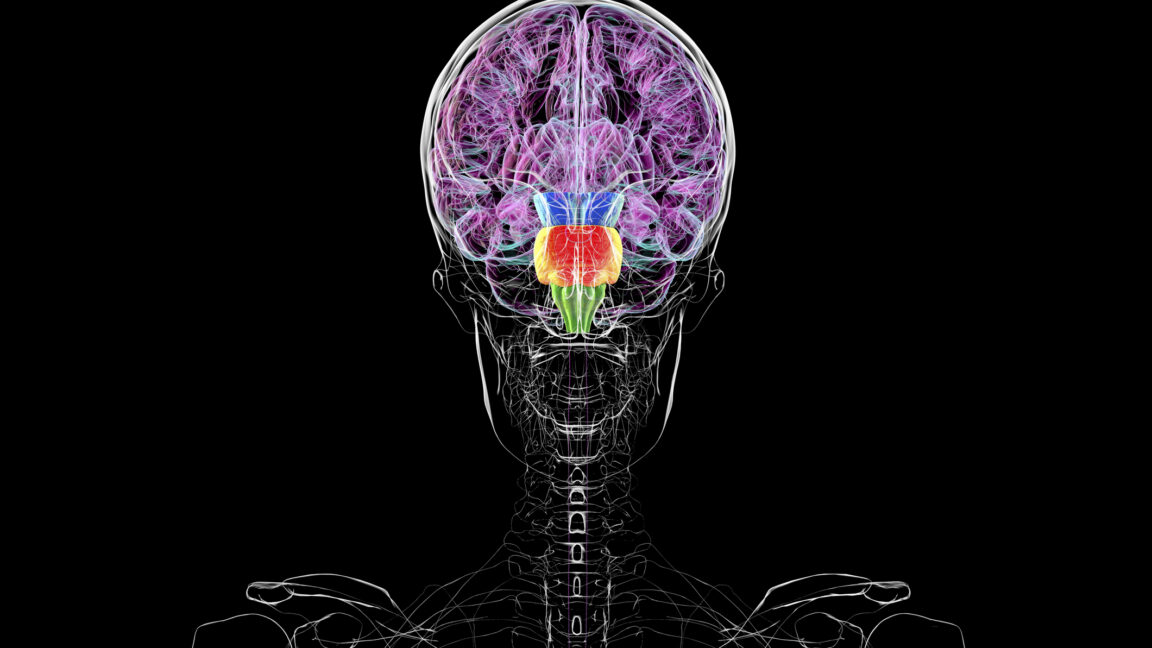
Vertebrates have four major segments: forebrain, midbrain, hindbrain, and spinal cord.
Embryonic ectoderm activates two genes, one in the front and one in the back, marking cell positions.
Engineered mice had half of the early ectoderm glowing red and the other half glowing cyan.
In 96% of cases, neural cells were all in the hindbrain or all in the midbrain and forebrain.
Human stem cells showed similar results, indicating a universal mechanism in vertebrates.
Why It Matters
This research reveals that vertebrate nervous systems develop in segments, similar to insects. This could change how we understand brain development and evolution. Researchers used fluorescent proteins to track cell development, showing clear patterns in brain formation. This has implications for developmental biology and could lead to new insights into neurological disorders.
Comments
Be the first to comment
Enjoyed this article?
Get it daily. 7am. Free. Reads in 5 minutes.
Join 3,490 builders reading daily.