🦷ETH Zurich's InvisiSpeech Reads Silent Tongue Commands With 90% Accuracy
Talk to your AI without making a sound
TL;DR
ETH Zurich researchers built InvisiSpeech, a dental-brace-sized sensor that detects tongue vibrations and sends them to an AI model. It recognized about 90% of 50 English commands in tests with 15 people. Hands-free, silent AI control is getting closer.
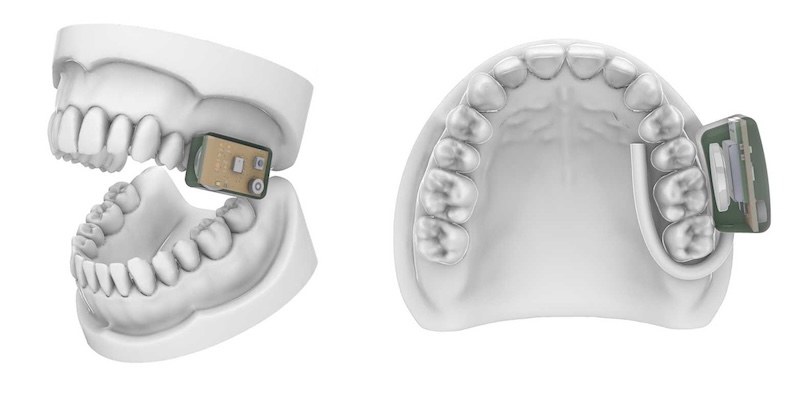
Researchers at ETH Zurich built a sensor that lets you talk to an AI without making a sound. InvisiSpeech sits on your teeth like a small dental brace, picks up the faint vibrations your tongue makes when you silently form words, and sends them to your phone. An AI model turns those signals into commands. If you build voice interfaces, this is the part to pay attention to. Voice input is awkward in meetings, on trains, and anywhere a stranger can overhear. A device that stays invisible and needs no implant or brain sensor points to a discreet, always-available input layer for AI assistants and wearables like smart glasses. The numbers so far: across 15 participants and 50 predefined English commands, InvisiSpeech got roughly 90% right. Each user needs only a short calibration, and background noise barely moved accuracy. The catch is scope. It handles fixed commands, not free conversation, and it still struggles with longer sentences and with users who are walking or moving fast.
Key Points
InvisiSpeech was tested with 15 participants and recognized roughly 90% of 50 predefined English commands, a solid first benchmark for a silent-speech wearable.
Keep reading — it's free
Enter your email to keep reading — plus the best of AI & tech, daily. Free, forever.
Already a member? Sign in
Comments
Be the first to comment