✈️FAA Allows Lap-Holding Babies on Flights
Flying with a baby on your lap is still okay, but...
TL;DR
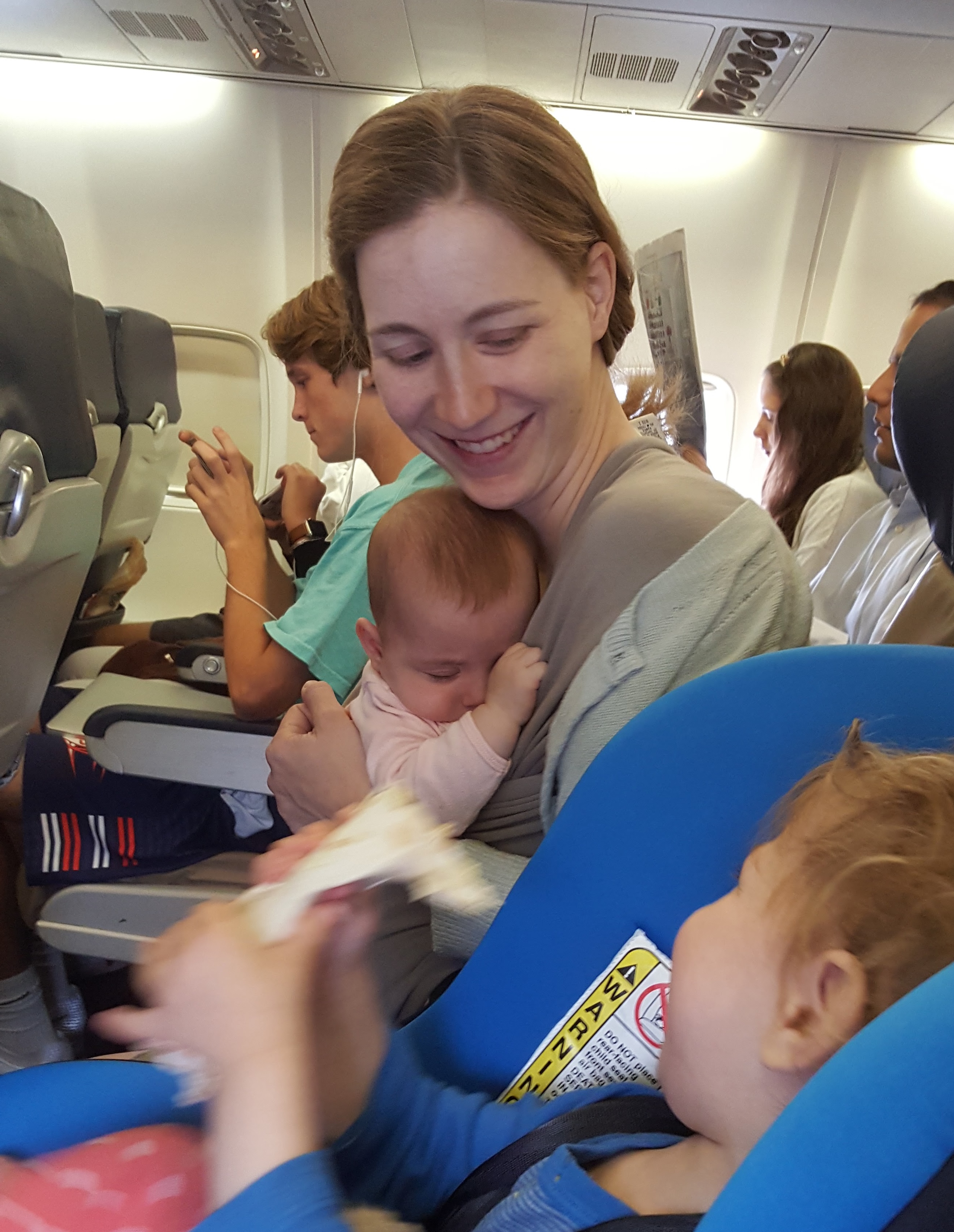
The FAA allows flying with babies on laps but requires removal during takeoff and landing. They ban certain child restraint devices, citing potential safety issues. Parents face a choice between lap-holding or buying a second seat.
The FAA has decided to keep its policy allowing babies to fly on laps, despite safety concerns. They require babies to be removed from carriers during critical flight phases. The FAA also banned booster seats and certain restraint systems, citing potential safety risks. Parents now face a choice between lap-holding their babies or purchasing a second seat. The FAA's policy, in place since 1995, is based on the idea that driving is less safe than flying, but critics argue it may lead to more road deaths.
Key Points
FAA requires removal of babies from carriers during takeoff and landing, effective immediately.
Booster seats and certain restraint systems are banned due to potential safety risks.
FAA's policy has been in place since 1995, based on driving being less safe than flying.
Critics argue the policy may lead to more road deaths if flying with babies on laps is banned.
FAA's education campaign provides clear guidance on child restraint devices.
Why It Matters
The FAA's decision affects families flying with infants, forcing them to choose between lap-holding or buying a second seat. This policy, in place since 1995, is based on the idea that driving is less safe than flying, but critics argue it may lead to more road deaths. The FAA's guidance on child restraint devices is crucial for parents making these decisions.
Comments
Be the first to comment
Enjoyed this article?
Get it daily. 7am. Free. Reads in 5 minutes.
Join 3,556 builders reading daily.