🤖FDA Clears Eve Exoskeleton for Commercial Sale
A new exoskeleton for standing, not rolling
TL;DR
The FDA has authorized Eve, an exoskeleton for people with spinal cord injuries, for commercial sale. It's designed for moments when standing is crucial, not as a wheelchair replacement. Medicare and other insurers are already covering costs for some patients.
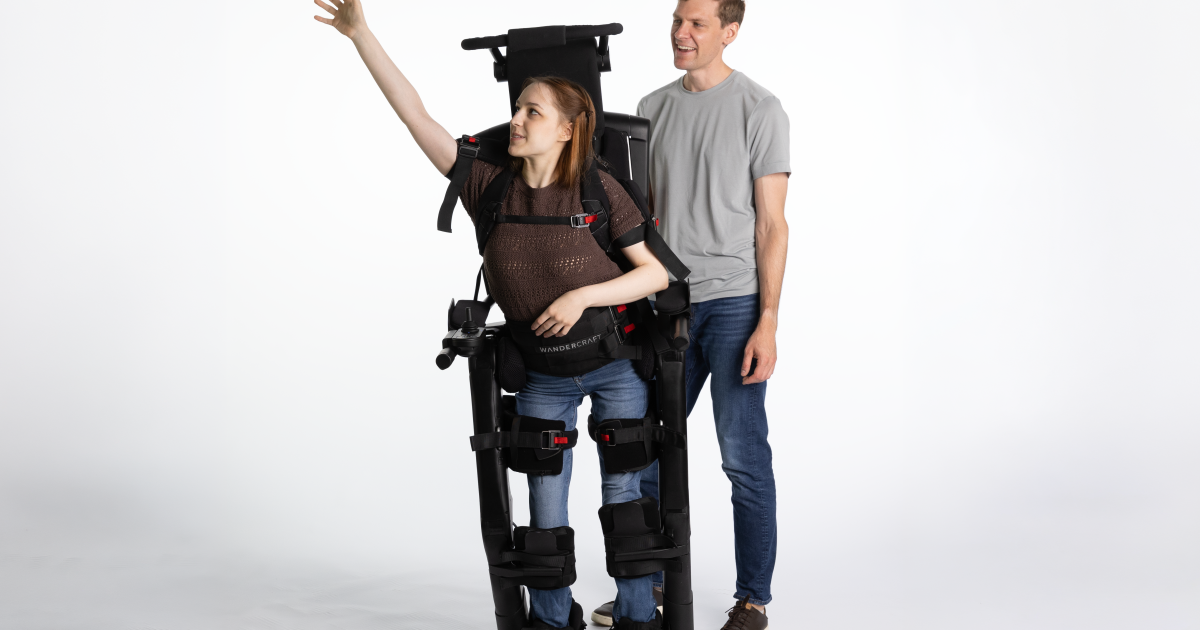
The FDA has authorized the commercial sale of Eve, a personal exoskeleton designed to help people with spinal cord injuries stand and walk. This isn't a replacement for wheelchairs but a tool for moments when standing is crucial. Eve straps on like a rigid vest and uses 12 motors to assist with walking, with onboard sensors for balance correction. It's calibrated to each user's body and can be used by anyone with a spinal cord injury, regardless of where the damage occurred. The device has a top speed of 0.25 meters per second and a battery life of up to four hours. If power runs out, a braking mechanism safely lowers the user to the ground. The clearance was based on a study involving 16 patient-caregiver pairs, with 15 of them hitting their target walking speed and all completing everyday tasks. Medicare, the veterans' health system, and workers' compensation insurance are already covering costs for some US patients.
Key Points
Eve exoskeleton authorized by FDA for commercial sale, designed for spinal cord injury patients.
Device straps on like a rigid vest, uses 12 motors for walking, and has onboard sensors for balance.
Top speed of 0.25 meters per second, battery lasts up to four hours, safety mechanism for power outages.
Study involved 16 patient-caregiver pairs, with 15 hitting target walking speed and all completing tasks.
Medicare, veterans' health system, and workers' compensation insurance are covering costs for some patients.
Why It Matters
If you're a spinal cord injury patient looking for moments of standing, Eve could be a game-changer. It's designed for indoor use and requires a certified caregiver. Medicare and other insurers are already covering costs for some patients, making it more accessible.
Comments
Be the first to comment
Enjoyed this article?
Get it daily. 7am. Free. Reads in 5 minutes.
Join 3,549 builders reading daily.