🤖FiberMotor: A Flexible, Force-Generating Fiber for Robotics
A new fiber that flexes and lifts like a muscle
TL;DR
Researchers at EPFL developed the FiberMotor, a flexible fiber that can lift and flex objects using electrostatic forces. It can support loads up to 75g and has potential applications in mobility-assisting clothing and prosthetics.
The FiberMotor, a thin, flexible device developed by researchers at EPFL, uses electrostatic forces to lift and flex objects. It can support stationary loads up to 75g and lift a 46g chocolate bar when bundled. This technology could revolutionize mobility-assisting clothing, VR haptic feedback systems, and lightweight prosthetic devices. The FiberMotor is back-driveable, silent, and bidirectional, making it ideal for soft robotic applications. A paper on the research was published in Advanced Materials.
Key Points
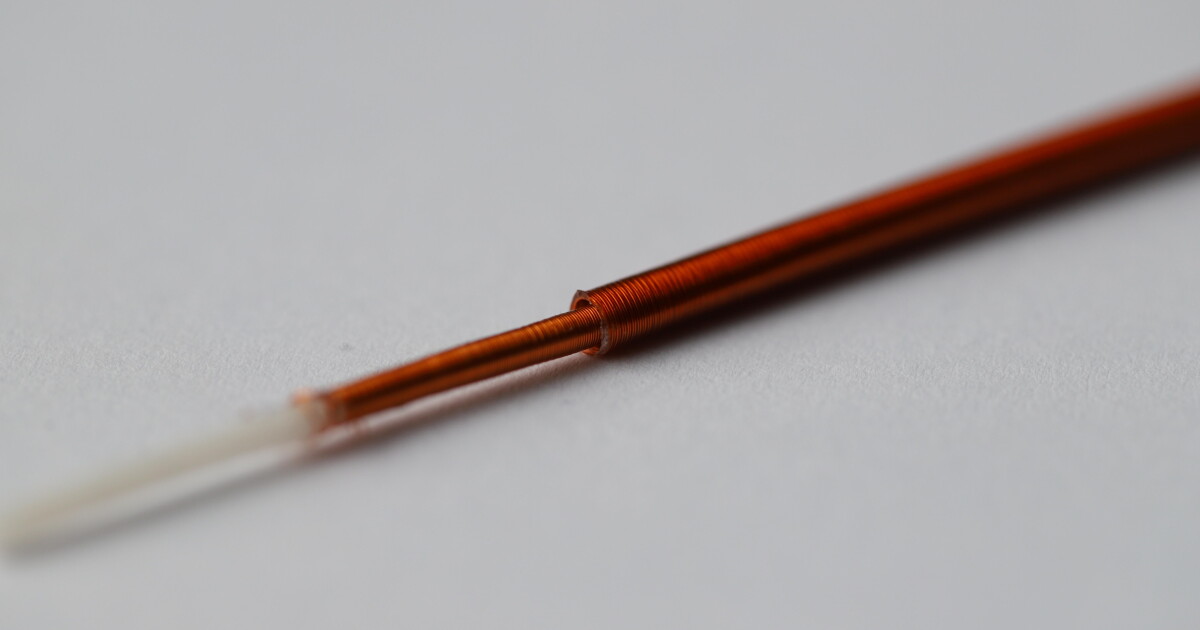
FiberMotor uses two concentric hollow polymer fibers with copper wire electrodes, allowing for electrostatic force generation.
Individual FiberMotors can support stationary loads up to 75g (2.6oz), with four lifting a 46g chocolate bar.
The FiberMotor is back-driveable, meaning it won't lock up if pushed by an external opposing force, making it ideal for soft robotic applications.
Spinoff company Elecsyor is developing the technology to boost durability and performance, with potential applications in mobility-assisting clothing and prosthetics.
A paper on the FiberMotor was published in Advanced Materials, detailing its potential in robotics and prosthetics.
Why It Matters
If you're developing soft robotic systems or mobility-assisting clothing, the FiberMotor's ability to lift and flex objects using electrostatic forces could be a game-changer. It can support loads up to 75g and lift a 46g chocolate bar when bundled, making it ideal for applications requiring flexibility and bidirectional movement.
Comments
Be the first to comment
Enjoyed this article?
Get it daily. 7am. Free. Reads in 5 minutes.
Join 3,569 builders reading daily.