🧠Frostbite: AI-Designed CPU Delivers 4.59x Performance-Per-Watt Over Superscalar Core
AI just designed a CPU that beats human chips
TL;DR
An AI-driven design process produced Frostbite, a general-purpose CPU with a new instruction set, posting a 4.59x performance-per-watt gain over a silicon-proven superscalar core. If AI can co-design hardware this well, your next chip roadmap may get shaken up.
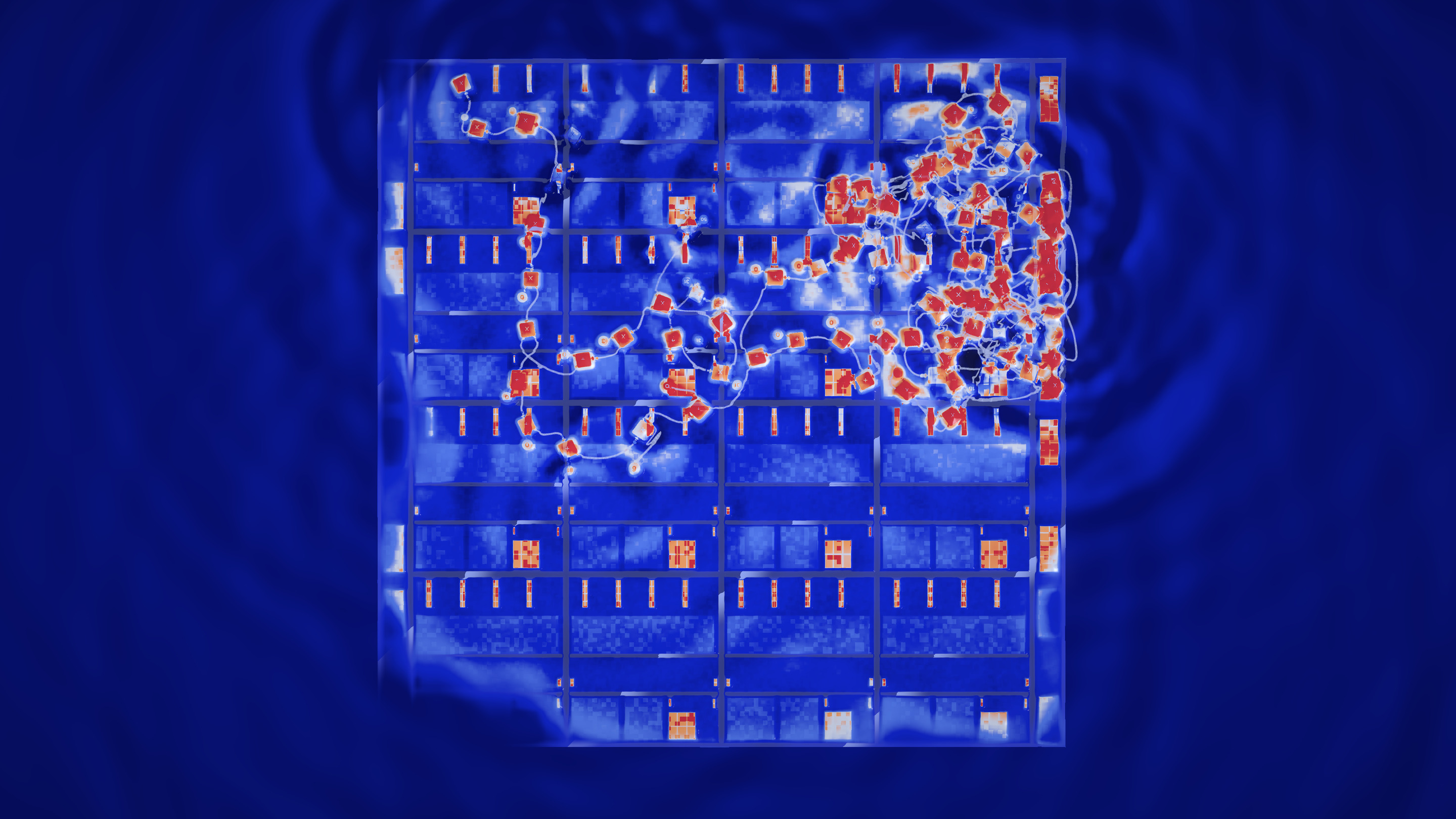
AI systems just designed a general-purpose CPU from scratch, and it beat a modern silicon-proven superscalar core by 4.59x on performance-per-watt. The chip is called Frostbite. It uses a brand-new instruction set built on interaction nets, and nobody gave the AI any architectural priors. It iterated across the compiler, ISA, microarchitecture, RTL, verification, and final GDS on its own. Why should you care? Because the workflow matters as much as the chip. The same systems that implemented and verified an inference accelerator in record time also co-designed software and hardware together. If your team is stuck waiting on hardware cycles, this is a preview of a much shorter loop. The catch is that Frostbite is a research result, not a product you can order. The headline numbers: 25 workloads total, 15 of them held out until final evaluation, and a 4.59x perf-per-watt multiple. The team also added five practical held-out workloads, including a Kalman filter, PCA, finite element analysis, an LU solve, and LZ4 decompression. The exploration produced a 141-page design PDF, which was deleted after the first RTL generation. A formal modeling language, ASL, captured the system model in machine-checkable form.
Key Points
Frostbite posted a 4.59x performance-per-watt multiple versus a modern silicon-proven superscalar CPU core across 25 workloads, including 15 held out until final evaluation.
Keep reading — it's free
Enter your email to keep reading — plus the best of AI & tech, daily. Free, forever.
Already a member? Sign in
Comments
Be the first to comment