🔍GPT-6.2 Astra Names 1808 Sketchbook Artist in 22 Minutes Flat
AI just cracked a 200-year-old archive mystery
TL;DR
OpenAI's GPT-6.2 Astra pinned down the maker of an anonymous 1808 sketchbook at Yale's Beinecke Library in 22 minutes, relying only on public records. If you build long-running research agents, this is the result to benchmark against.
OpenAI's newest model, GPT-6.2 Astra, identified who made an 1808 sketchbook that had sat anonymous for more than two centuries. It needed 22 minutes and nothing beyond publicly available primary and secondary sources. Astra read the material, built a theory from thin evidence, and argued its way to a name. Why should you care? This is an agent doing real research from start to finish, not just summarizing a document. If your work involves archives, digital humanities, or any domain buried in messy, unindexed sources, pay attention. Astra can also grind through open-ended jobs that run for hours or days, which shifts what you can safely hand off. The figures matter. The sketchbook holds 84 pages, 34 of them carrying pencil, ink, or watercolor drawings, and it traces an 1808 route from Montreal to Fort William and back. Astra also repaired an 8,002-row CSV transcription of the Shipboy & Henry daybook, cross-checking handwritten arithmetic against 353 images across thousands of entries in a few hours. Next up: independent confirmation. Twenty-two minutes is fast, but historians will need to test the attribution against the archival record before it sticks.
Key Points
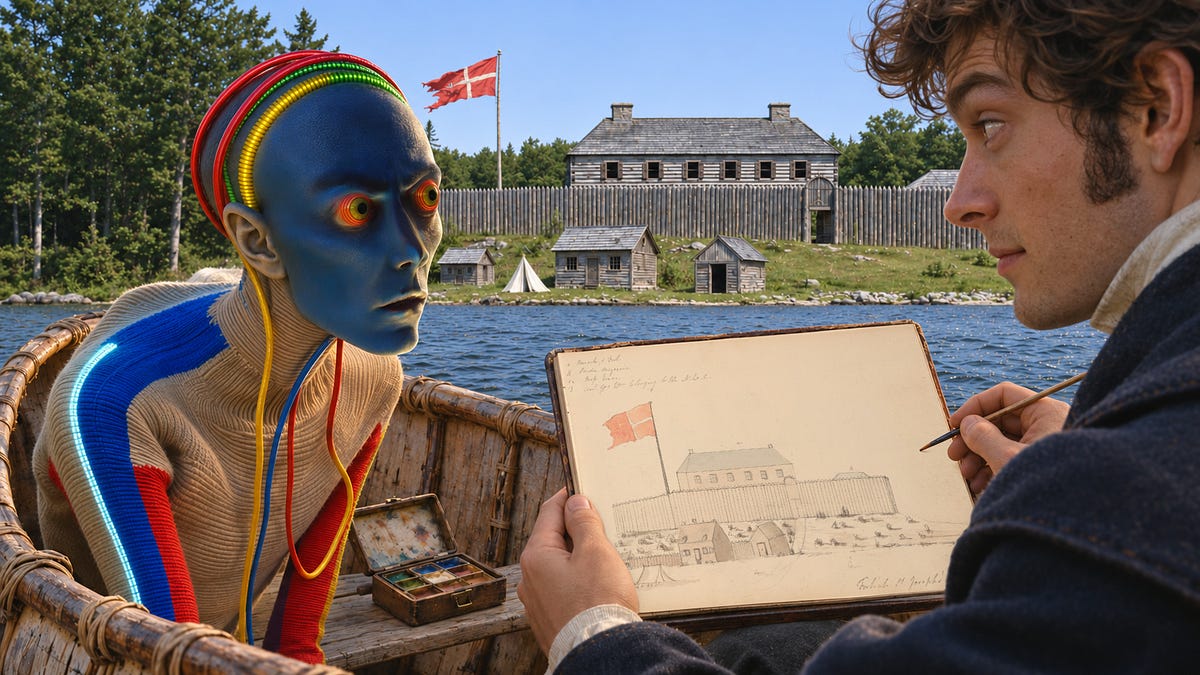
The Beinecke Library sketchbook runs 84 pages, 34 with pencil and ink drawings or watercolors tracing an 1808 trip from Montreal to Fort William and back.
Keep reading — it's free
Enter your email to keep reading — plus the best of AI & tech, daily. Free, forever.
Already a member? Sign in
Comments
Be the first to comment