🔒GrapheneOS Case Tests Privacy at US Borders
Is Wiping Your Phone a Crime?
TL;DR
A federal case in Atlanta is questioning if using GrapheneOS to wipe data from a phone during an airport search constitutes destroying evidence. The defense argues it's a privacy feature, not criminal intent.
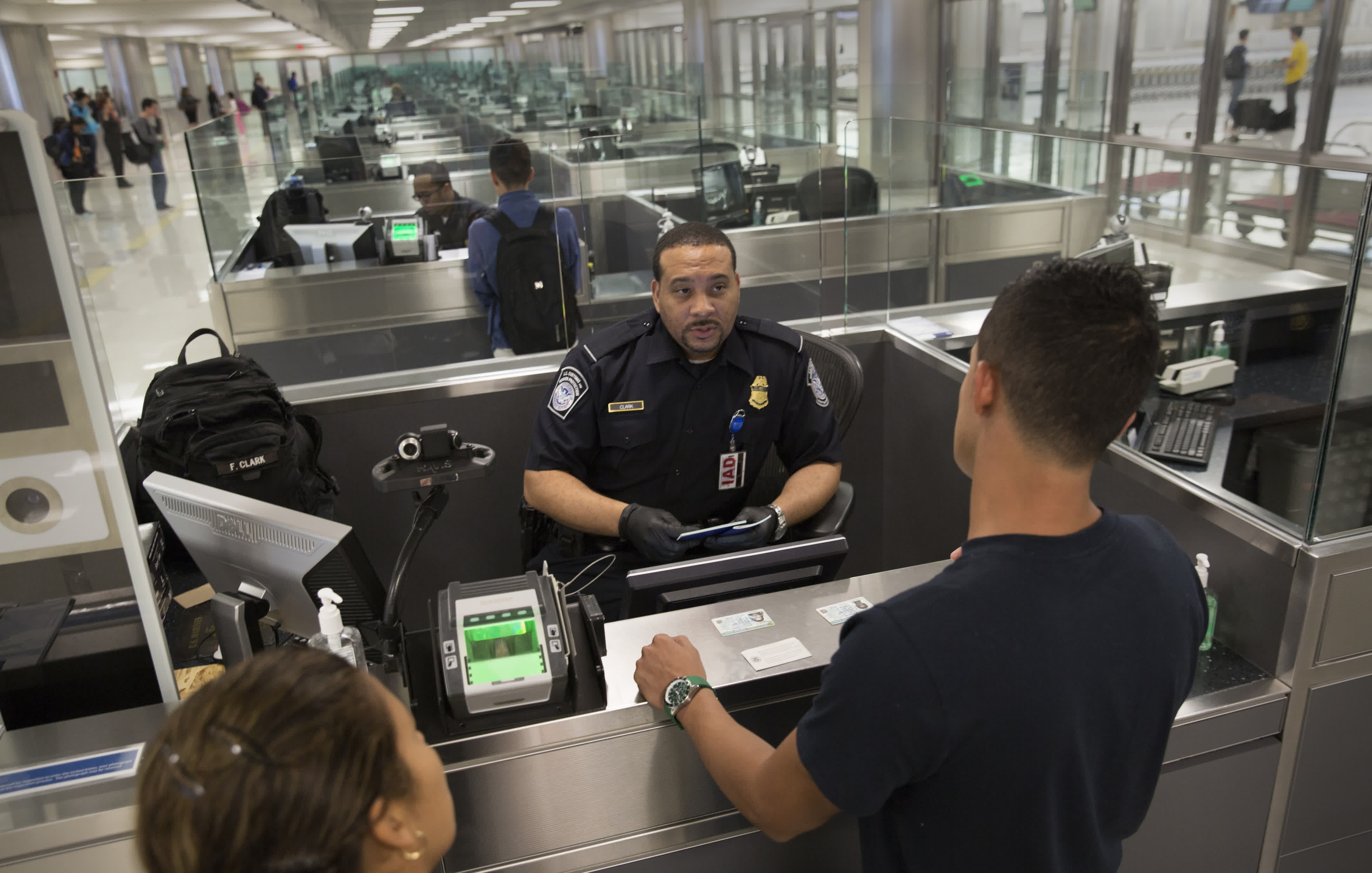
In a federal case in Atlanta, prosecutors are attempting to charge someone under a statute that makes it illegal to destroy property to prevent seizure. The case centers on the use of GrapheneOS, which lets users wipe their phone data by entering a passcode. Prosecutors argue this is an intentional act to destroy evidence, while the defense claims it's a legitimate privacy feature. This raises questions about constitutional rights at US borders and how authorities can access secured devices.
Key Points
A federal case in Atlanta centers on the use of GrapheneOS, an open-source OS that works on Google Pixel phones (8 words)
The individual was stopped at Hartsfield-Jackson Atlanta International Airport on Jan 24 last year (13 words)
Federal agents had circulated his name and photo internally for suspected terrorism activities due to Cop City protest movement involvement (20 words)
When asked to unlock his phone, the passcode wiped data, leading prosecutors to treat it as an intentional act to destroy evidence (25 words)
A judge is expected to rule on the defense motion by late October in this case testing constitutional rights at US borders (19 words)
Why It Matters
If you're using GrapheneOS or similar privacy-focused OSes, this case could impact your legal protections during border searches. The ruling may set a precedent for how authorities can access secured devices.
Frequently Asked Questions
Why does this matter?
If you're using GrapheneOS or similar privacy-focused OSes, this case could impact your legal protections during border searches. The ruling may set a precedent for how authorities can access secured devices.
What happened?
A federal case in Atlanta is questioning if using GrapheneOS to wipe data from a phone during an airport search constitutes destroying evidence. The defense argues it's a privacy feature, not criminal intent.
Comments
Be the first to comment
Enjoyed this article?
Get it daily. 7am. Free. Reads in 5 minutes.
Join 2,310 builders reading daily.