🌊Hunga Eruption Caused 40m Tsunami, Revealing New Hazards
Hunga's 40m tsunami: What it means for coastal safety
TL;DR
The 2022 Hunga eruption in Tonga produced a 40m tsunami, highlighting how even small submarine calderas can pose significant tsunami risks. Researchers found the caldera sank by nearly 1km, creating dangerous waves.
The 2022 Hunga eruption in Tonga produced a 40m tsunami, revealing new volcanic hazards. Scientists studying the event found that the caldera sank by nearly 1km, displacing a massive volume of water and causing the tsunami. This highlights the risk even small submarine calderas pose. The Hunga caldera's unusual depth and rapid collapse were key factors. Researchers now warn that similar volcanoes could also trigger dangerous waves, impacting coastal safety and disaster preparedness.
Key Points
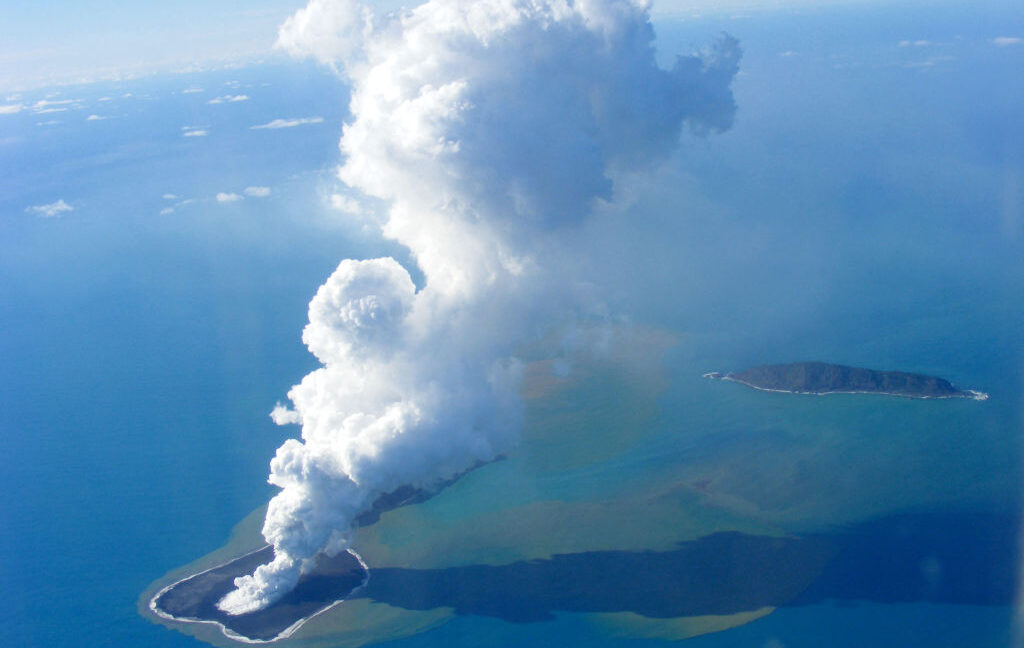
The Hunga eruption column reached over 55km, pushing vaporized seawater into the stratosphere.
The tsunami reached 40m heights within 100km of the source, impacting coastal safety.
The caldera sank by nearly 1km, displacing a massive volume of water and causing the tsunami.
Hunga's magma reservoir roof was thin and broad, collapsing once the magma drained away.
The study found that even small submarine calderas can produce dangerous waves under certain conditions.
Why It Matters
The Hunga eruption's 40m tsunami highlights the risk even small submarine calderas pose. Coastal communities near similar volcanoes need to reassess their disaster preparedness. Researchers warn that Hunga's conditions could be common, making tsunami risks more widespread.
Comments
Be the first to comment
Enjoyed this article?
Get it daily. 7am. Free. Reads in 5 minutes.
Join 3,488 builders reading daily.