🚀Interlune Creates Helium-3 Simulant for Lunar Mining
Interlune's Helium-3 Simulant for Lunar Mining
TL;DR
Interlune has created a helium-3 simulant to mimic lunar regolith, enabling testing of extraction hardware. This simulant, which replicates solar wind exposure, could accelerate lunar mining efforts.
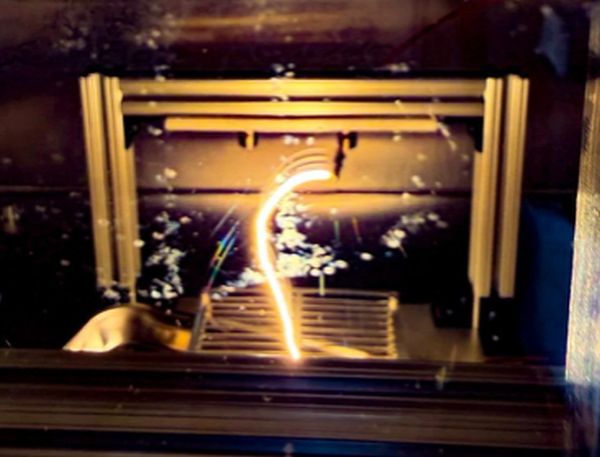
Interlune has developed a new simulant to mimic the lunar regolith's helium-3 content, which is crucial for testing extraction hardware before actual lunar missions. This simulant, created by accelerating ionized helium into lunar regolith, closely replicates the solar wind's effect on the Moon's surface. For lunar mining companies like Interlune, this means they can test their hardware in Earth conditions that closely match those on the Moon, potentially speeding up the development and deployment of lunar mining technologies. The simulant is now available for sale, with Interlune planning to test everything on Earth before sending a prototype mission to the Moon later this decade.
Key Points
Interlune's simulant replicates solar wind exposure, delivering helium-ion exposure at a higher rate than natural.
The company's simulant mimics the release of helium-3 at temperatures observed in Apollo rocks.
Interlune plans to test extraction hardware on Earth before sending a prototype mission to the Moon.
The simulant is now available for sale to other lunar mining companies.
Interlune's goal is to have everything tested on Earth in conditions similar to those on the Moon.
Why It Matters
Interlune's simulant allows lunar mining companies to test hardware in conditions mimicking the Moon's surface. This could significantly accelerate the development and deployment of lunar mining technologies, making it easier to extract valuable resources like helium-3. For companies like Interlune, this means they can validate their extraction methods before committing to expensive lunar missions.
Frequently Asked Questions
Why does this matter?
Interlune's simulant allows lunar mining companies to test hardware in conditions mimicking the Moon's surface. This could significantly accelerate the development and deployment of lunar mining technologies, making it easier to extract valuable resources like helium-3. For companies like Interlune, this means they can validate their extraction methods before committing to expensive lunar missions.
What happened?
Interlune has created a helium-3 simulant to mimic lunar regolith, enabling testing of extraction hardware. This simulant, which replicates solar wind exposure, could accelerate lunar mining efforts.
Comments
Be the first to comment
Enjoyed this article?
Get it daily. 7am. Free. Reads in 5 minutes.
Join 3,328 builders reading daily.