🤖KAIST Unveils BeetleBot With 45% Contractile LCE Muscles
BeetleBot's LCE muscles can contract 45% when heated
TL;DR
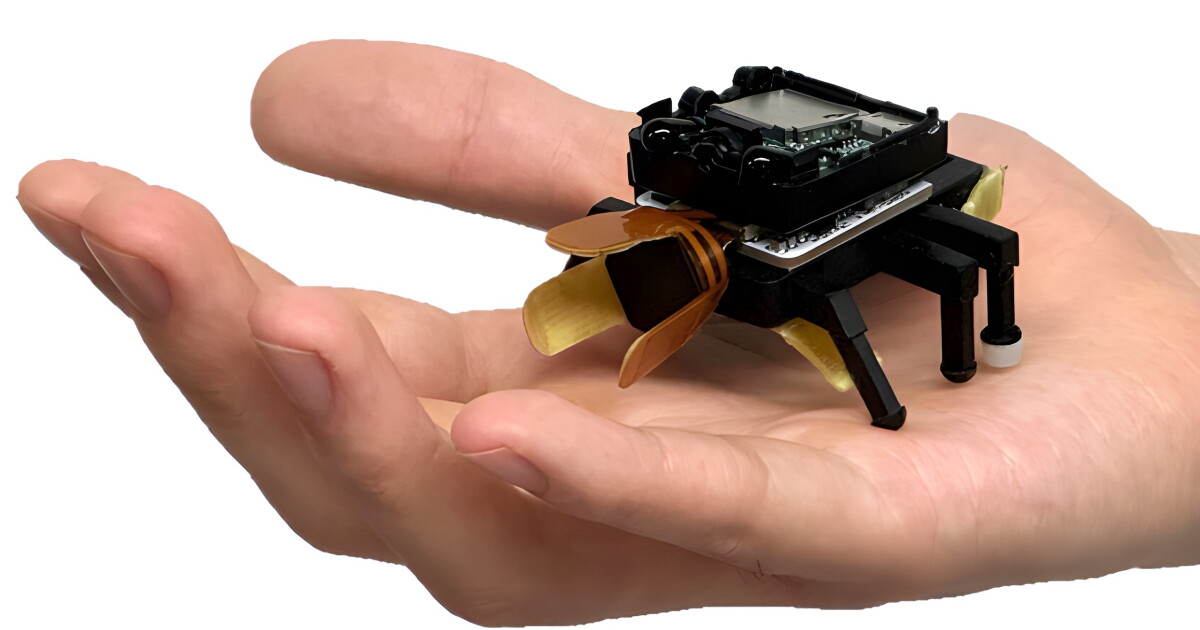
KAIST's BeetleBot uses LCE muscles that contract 45% when heated, controlled by a finger sensor patch. The robot can navigate, grip, and transport objects, with plans for full soft-body development.
KAIST's BeetleBot features LCE muscles that contract 45% when heated, controlled by a finger sensor patch. This makes it a promising tool for precise, human-guided robotic tasks. The robot's camera and bidirectional feedback system enable seamless interaction, making it suitable for environments where traditional robots are too rigid. The team aims to improve response speed and energy efficiency, with future plans to develop a fully soft-bodied version.
Key Points
BeetleBot's LCE muscles contract 45% when heated to 110°C (230°F), enabling precise movement.
A flexible sensor patch worn on the finger controls BeetleBot's movements with electrical resistance changes.
The robot can execute four commands: move forward, turn left, turn right, and grip an object.
BeetleBot's gripper uses LCE muscles and a pressure sensor to determine applied pressure accurately.
In lab tests, BeetleBot successfully navigated turns, reached objects, gripped them, and transported them.
Why It Matters
If you're working on precision robotic tasks, BeetleBot's LCE muscles and finger sensor control offer a new level of human-guided interaction. The robot's bidirectional feedback system enhances its adaptability in various environments, making it a valuable tool for research and development.
Comments
Be the first to comment
Enjoyed this article?
Get it daily. 7am. Free. Reads in 5 minutes.