鲎Massachusetts Bans Horseshoe Crab Harvesting During Peak Mating Season
Crab harvesting ban could save a species
TL;DR
Massachusetts has banned horseshoe crab harvesting during peak mating season. The move aims to protect the declining population and restore coastal ecosystems. Scientists have developed lab alternatives for biomedical testing, reducing reliance on crabs.
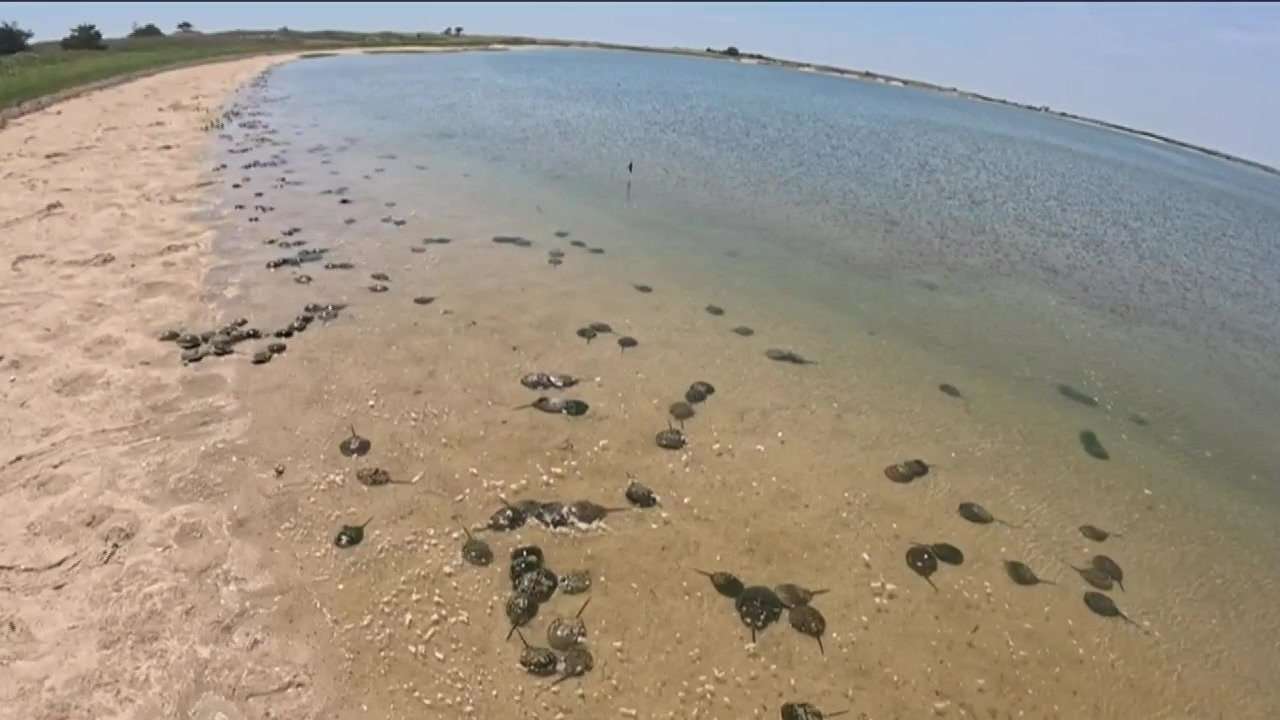
Starting in 2024, Massachusetts has banned all horseshoe crab harvesting from April 15 through June 7, protecting about 90% of their spawning season. This move is crucial as the population along the East Coast has drastically dipped due to fishing bait and biomedical use. Around 200,000 crabs are caught annually in Massachusetts for testing vaccines and other injectable medicines. However, scientists have created lab-made alternatives that perform equally well or better than purified horseshoe crab blood. Eli Lilly switched its tests to the lab-made version in 2016 and now uses it for 80% of tests.
Key Points
Starting April 15, Massachusetts bans all horseshoe crab harvesting until June 7 to protect spawning season.
Around 200,000 crabs are caught annually in Massachusetts for biomedical testing purposes.
Scientists have developed lab alternatives that perform equally well or better than purified horseshoe crab blood.
Eli Lilly switched its tests to the lab-made version in 2016 and now uses it for 80% of tests.
Seventy-one percent of Massachusetts survey sites show an increasing population trend over the last 15 years.
Why It Matters
The ban on harvesting horseshoe crabs during their mating season in Massachusetts could significantly impact coastal wildlife and ecosystems. Horseshoe crab eggs serve as a main food source for other species, making this protection crucial. Scientists' lab alternatives now perform better than purified horseshoe crab blood, reducing the need for live specimens.
Frequently Asked Questions
Why does this matter?
The ban on harvesting horseshoe crabs during their mating season in Massachusetts could significantly impact coastal wildlife and ecosystems. Horseshoe crab eggs serve as a main food source for other species, making this protection crucial. Scientists' lab alternatives now perform better than purified horseshoe crab blood, reducing the need for live specimens.
What happened?
Massachusetts has banned horseshoe crab harvesting during peak mating season. The move aims to protect the declining population and restore coastal ecosystems. Scientists have developed lab alternatives for biomedical testing, reducing reliance on crabs.
Comments
Be the first to comment
Enjoyed this article?
Get it daily. 7am. Free. Reads in 5 minutes.
Join 2,900 builders reading daily.