💡Meta's Prometheus Supercluster Struggles with GPU Failures, 11% Idle
Meta's Supercluster Faces 11% GPU Failure Rate
TL;DR
Meta's Prometheus supercluster, powered by Nvidia GPUs, faces a 11% GPU failure rate, leading to idle GPUs and interruptions. Meta reduced interruptions by 99%, aiming for just two per day for every 8,000 GPUs.
Meta's Prometheus supercluster, one of the largest compute deployments, faces a 11% GPU failure rate, leading to idle GPUs and frequent interruptions. The company reduced interruptions by 99%, aiming for just two per day for every 8,000 GPUs. This stability is crucial for distributed training runs across multiple datacenters, where a single GPU failure can disrupt entire racks. Meta's comprehensive checkpointing and data parallelism strategies are key to maintaining system reliability and performance.
Key Points
Meta's Prometheus supercluster, powered by Nvidia's Grace Blackwell and Vera Rubin rack systems, faces a 11% GPU failure rate.
Meta aims to reduce interruptions to just two per day for every 8,000 GPUs, down from 1,000 initially.
Meta's distributed checkpointing architecture saves model state asynchronously to multi-tier storage, ensuring stability.
Meta's training runs only get interrupted if the fault exceeds the data parallel domain, minimizing impact.
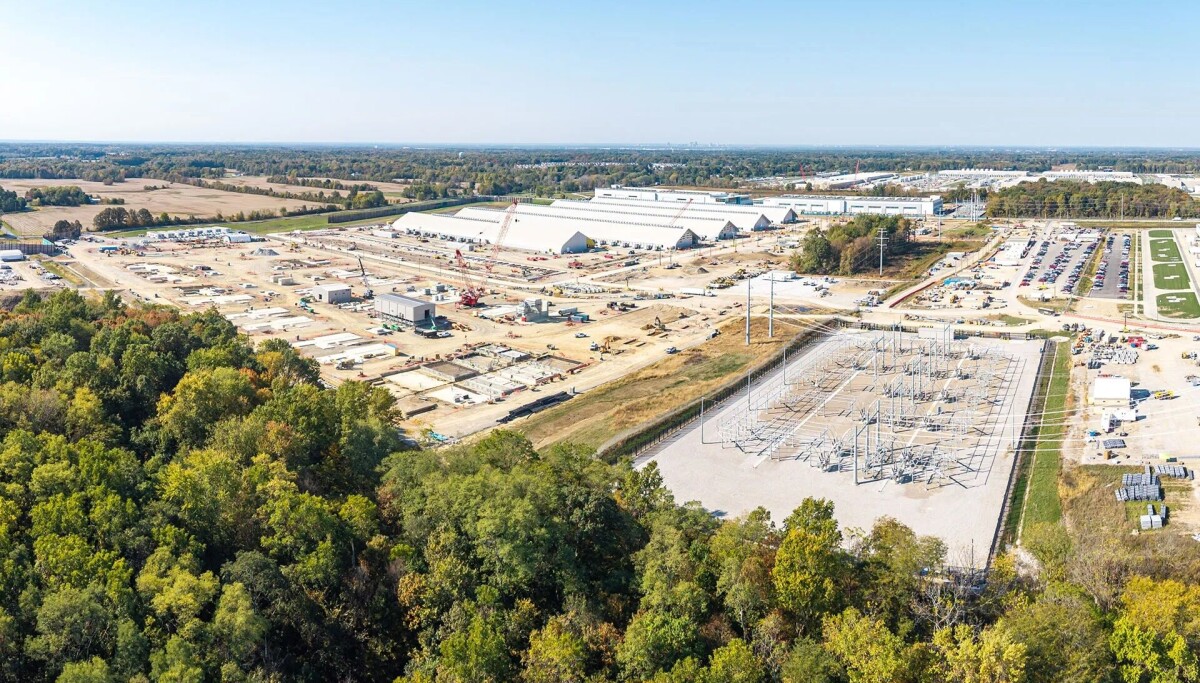
Meta's Prometheus supercluster will scale to a gigawatt of capacity spanning about a million accelerators.
Why It Matters
Meta's Prometheus supercluster, with its 11% GPU failure rate, highlights the challenges of maintaining stability in large-scale AI training environments. For teams running distributed training across multiple datacenters, the reliability of checkpointing and data parallelism is crucial. Meta's strategies, like reducing interruptions to just two per day for every 8,000 GPUs, set a new standard for stability and performance.
Comments
Be the first to comment
Enjoyed this article?
Get it daily. 7am. Free. Reads in 5 minutes.
Join 3,569 builders reading daily.