🧠Mice Hibernate and Rebuild Memories Upon Awakening
Mice can hibernate, erase memories, then rebuild them perfectly
TL;DR
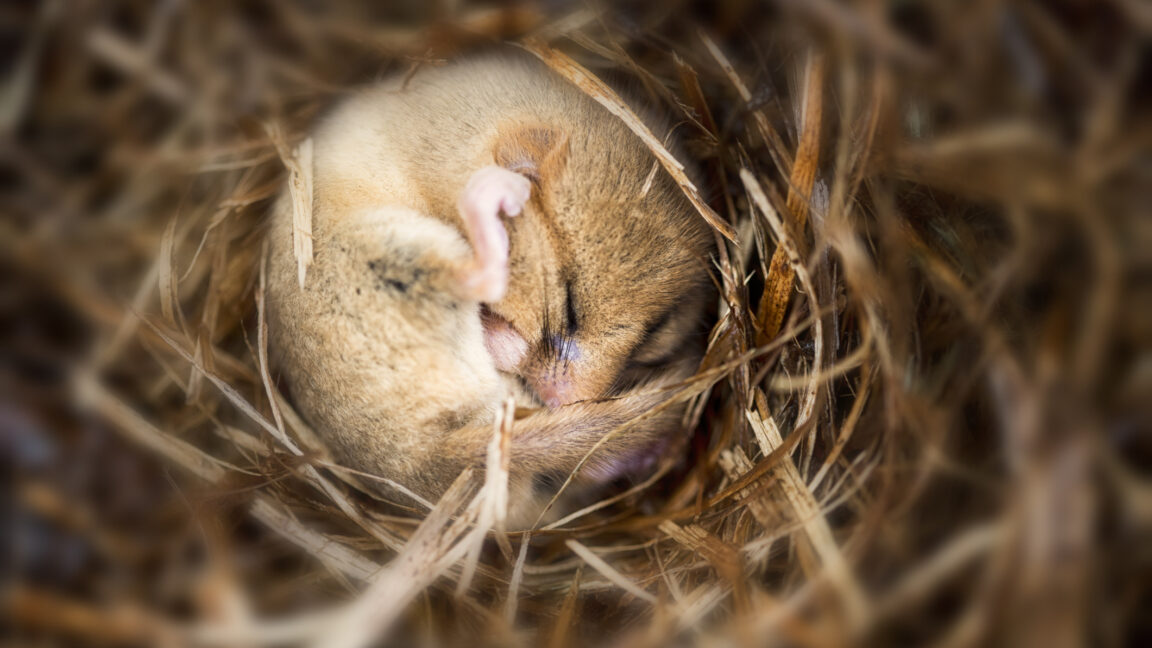
Researchers developed QIH, a technique that induces hibernation in mice. During this state, over half of synapses are erased but reappear after arousal with 82% returning to their original spots.
Scientists have created QIH (Q-neuron-induced hypothermia and hypometabolism), allowing them to induce a hibernation-like state in mice where more than half of the brain's synaptic connections are erased. Despite this, upon awakening, mice retain their memories as if nothing happened. This breakthrough could revolutionize our understanding of memory storage and retrieval mechanisms. For developers working on neural networks or AI models that simulate human cognition, QIH offers a fascinating glimpse into how complex systems can maintain functionality even when significant parts are temporarily disabled. It suggests that the architecture around synapses is crucial for preserving information, not just the connections themselves.
Key Points
QIH technique drops body temperature to around 20°C, heart rate and breathing significantly decrease during hibernation
Synaptic activity dropped by approximately 70% while QIH was active in mice
82% of synapses that vanished during hibernation reappeared at the same spots after arousal
Engram clusters were preserved more than individual engrams, with multisynaptic boutons playing a key role
Long-term anesthesia combined with cytochalasin D destroyed all clustered engram synapses indiscriminately
Why It Matters
If you're working on neural networks or AI models that simulate human cognition, QIH offers a fascinating glimpse into how complex systems can maintain functionality even when significant parts are temporarily disabled. For instance, in designing memory systems for autonomous vehicles, understanding how to preserve critical information during periods of reduced activity could be crucial.
Frequently Asked Questions
Why does this matter?
If you're working on neural networks or AI models that simulate human cognition, QIH offers a fascinating glimpse into how complex systems can maintain functionality even when significant parts are temporarily disabled. For instance, in designing memory systems for autonomous vehicles, understanding how to preserve critical information during periods of reduced activity could be crucial.
What happened?
Researchers developed QIH, a technique that induces hibernation in mice. During this state, over half of synapses are erased but reappear after arousal with 82% returning to their original spots.
Comments
Be the first to comment
Enjoyed this article?
Get it daily. 7am. Free. Reads in 5 minutes.
Join 3,304 builders reading daily.