🤖MIT Unveils AI-Powered Dual-Arm Therapy Robot
AI learns to assist physical therapists, not replace them
TL;DR
MIT engineers introduced an adaptive therapy system using generative AI. The dual-arm robot assists patients based on real-time feedback and can learn from human therapists. It's designed to enhance, not replace, physical therapy.
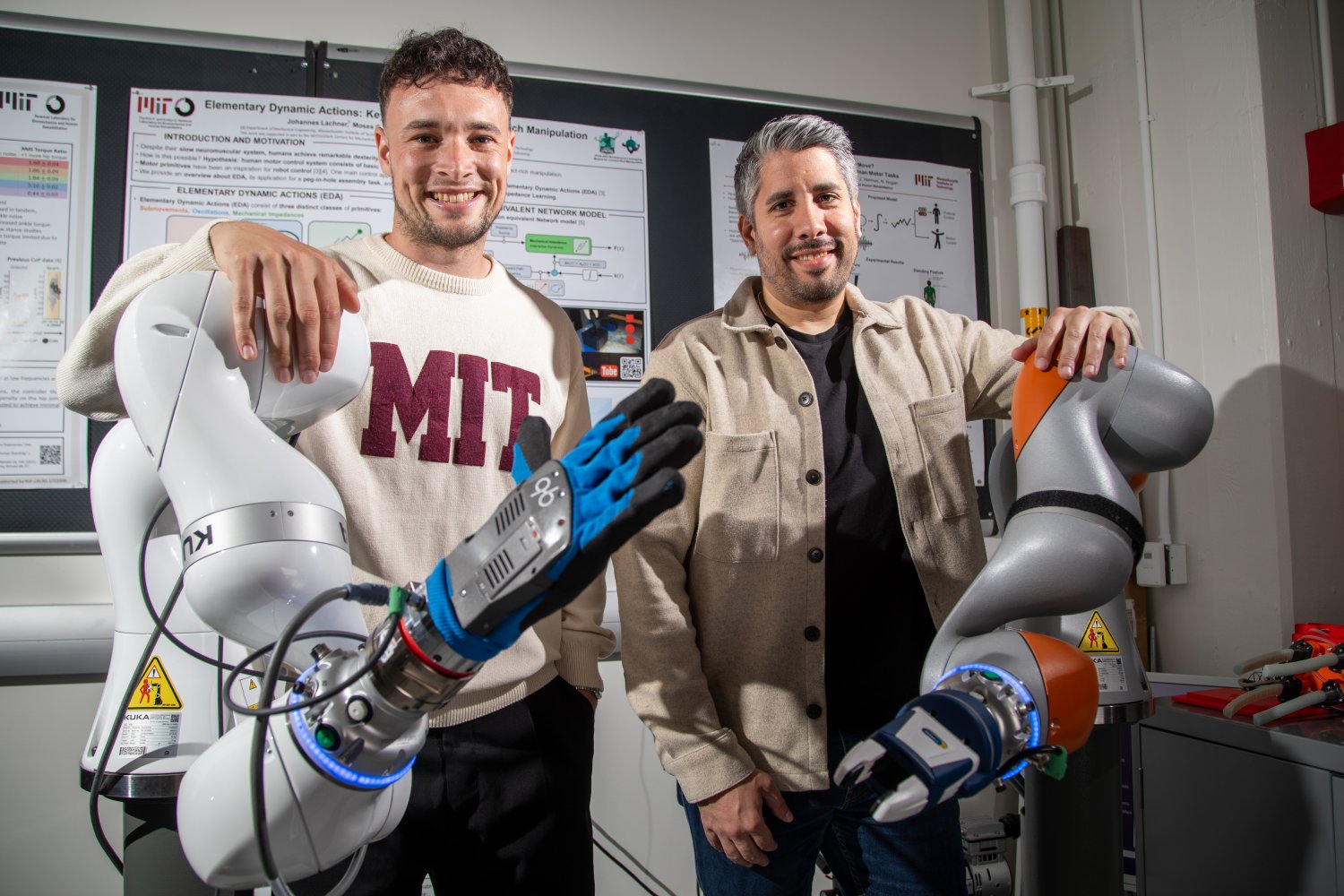
MIT just unveiled a new adaptive physical therapy system that uses generative AI to assist with rehabilitation tasks. This isn't about replacing therapists; it's about enhancing their capabilities by learning from them in real-time. The dual-arm robot adjusts its assistance based on each patient’s unique needs and can support a wide range of physical therapy requirements, including for stroke patients and older adults. Initial testing shows the system learns how to best assist patients during rehabilitation movements, adapting as needed without over-assisting or under-assisting. Why should you care? If you're involved in developing robotic systems for healthcare applications, this could be a game-changer. The robot's ability to learn from physical therapists and adapt its assistance dynamically opens up new possibilities for patient-specific treatments. It’s not just about the technology; it’s about improving patient outcomes through smarter, more personalized therapy.
Key Points
The system uses transformer-based diffusion models for learning physical therapist techniques (2023).
Initial prototype tested with healthy participants performing common rehab movements, varying effort levels.
Clinical study underway at Pfennigparade in Munich, Germany, recording therapists treating patients.
Generative AI model captures unique interaction styles of individual therapists based on collected data.
Funding from MIT-Novo Nordisk and KUKA Robotics supports research into teaching robots physical interactions.
Why It Matters
If you're developing robotic systems for healthcare, this system could enhance patient-specific treatments. The robot learns from human therapists to provide personalized assistance during rehabilitation movements. This approach has the potential to improve outcomes for stroke patients and older adults by adapting its support dynamically.
Frequently Asked Questions
Why does this matter?
If you're developing robotic systems for healthcare, this system could enhance patient-specific treatments. The robot learns from human therapists to provide personalized assistance during rehabilitation movements. This approach has the potential to improve outcomes for stroke patients and older adults by adapting its support dynamically.
What happened?
MIT engineers introduced an adaptive therapy system using generative AI. The dual-arm robot assists patients based on real-time feedback and can learn from human therapists. It's designed to enhance, not replace, physical therapy.
Comments
Be the first to comment
Enjoyed this article?
Get it daily. 7am. Free. Reads in 5 minutes.