🚀Modular Codebases Enable Massive Parallel Coding
Parallel coding is now a reality for small teams
TL;DR
Small software teams can now run hundreds of agents in parallel, generating thousands of commits daily. This shift requires designing for modularity from the start to avoid merge conflicts and ensure productivity.
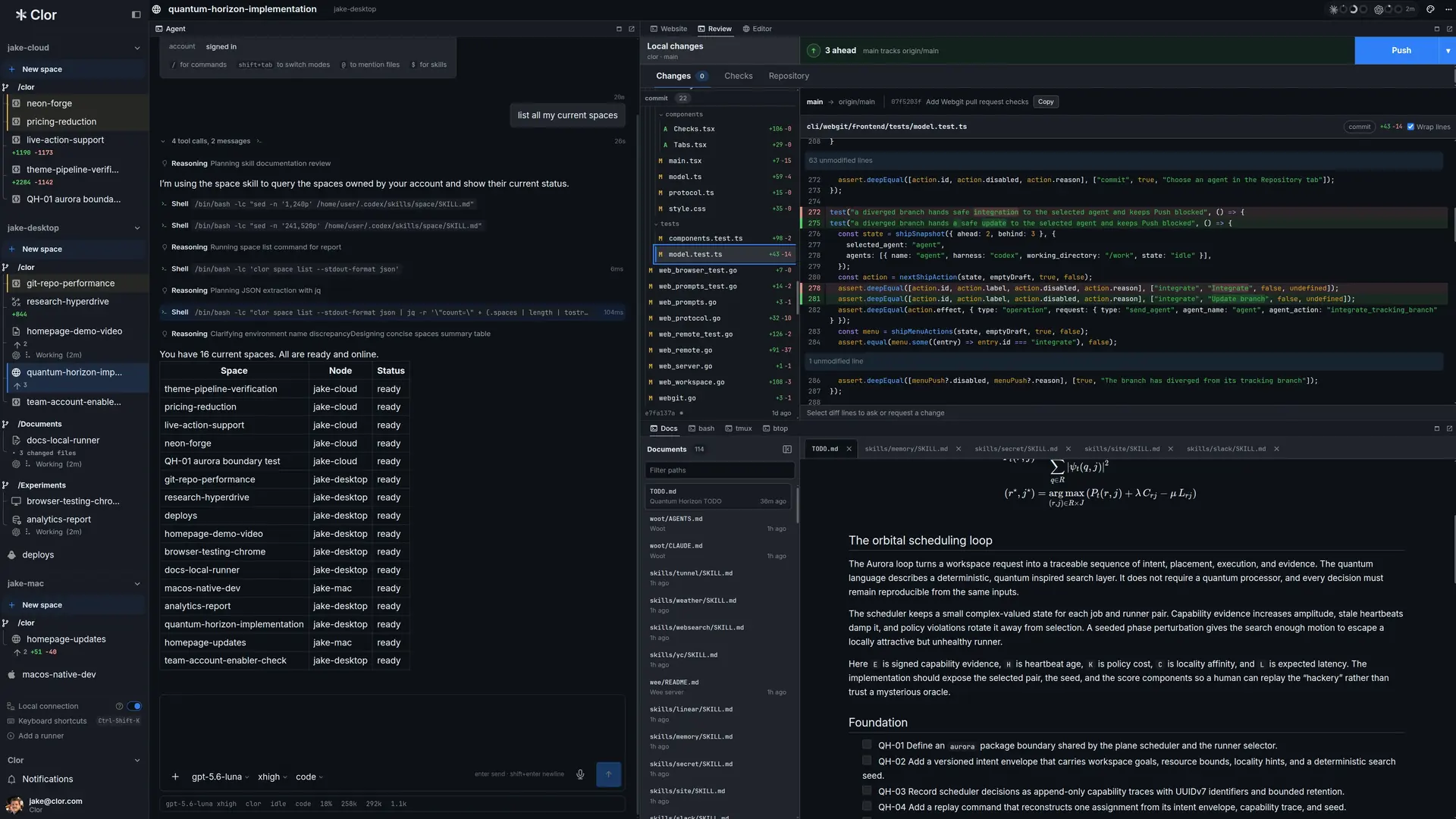
Modern small teams are running up to 100 agents in parallel, generating over 500 commits a day. The key is splitting code into smaller services that fit within each agent's context window. This approach not only boosts productivity but also reduces the overhead of boilerplate and CI config. However, it demands careful design upfront to ensure all these independent coding agents work seamlessly together.
Key Points
A small team of 5-10 people can generate around 50 commits and 20 pushes in a busy day
Running 20-100 coding agents in parallel can result in over 500 commits daily
Modular codebases allow for 'embarrassingly parallel' development, reducing merge conflicts
Agents now automate much of the boilerplate and CI setup overhead previously required
Designing for modularity from the start is key to maximizing productivity with multiple agents
Why It Matters
If you're managing a small team running microservices in parallel, this shift means you can achieve significant productivity gains. However, it requires careful planning and modular design upfront. For instance, splitting your monolithic service into smaller modules could reduce merge conflicts by over 50%, but only if each module fits within the context window of individual coding agents.
Frequently Asked Questions
Why does this matter?
If you're managing a small team running microservices in parallel, this shift means you can achieve significant productivity gains. However, it requires careful planning and modular design upfront. For instance, splitting your monolithic service into smaller modules could reduce merge conflicts by over 50%, but only if each module fits within the context window of individual coding agents.
What happened?
Small software teams can now run hundreds of agents in parallel, generating thousands of commits daily. This shift requires designing for modularity from the start to avoid merge conflicts and ensure productivity.
Comments
Be the first to comment
Enjoyed this article?
Get it daily. 7am. Free. Reads in 5 minutes.
Join 3,266 builders reading daily.