🦟Mosquitoes Spread Diseases as Climate Warms in New England
Dengue and Zika Moving North?
TL;DR
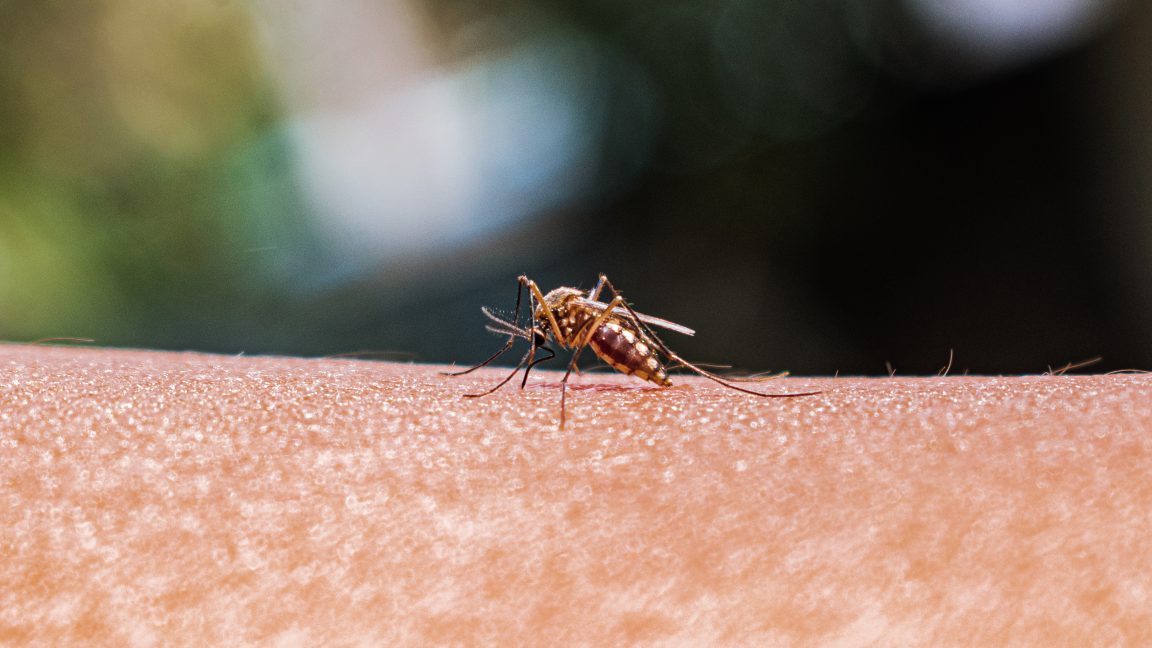
Rising temperatures are expanding the range of disease-carrying mosquitoes in historically temperate regions. Connecticut has detected 54 species, including Asian tiger mosquitoes that can transmit dengue and Zika.
Climate change is pushing tropical mosquito species into traditionally cooler areas like New England, increasing the risk of diseases such as dengue and Zika. Connecticut's statewide monitoring program has identified 54 different mosquito species, including invasive ones capable of transmitting serious illnesses. This shift impacts public health efforts and highlights the need for better national surveillance to track these changes.
Key Points
Connecticut detected 54 mosquito species this season, including invasive Asian tiger mosquitoes capable of transmitting dengue and Zika.
West Nile virus remains the leading cause of mosquito-borne disease in New England, with over 3,300 deaths since its introduction to the US in 1999.
Eastern equine encephalitis outbreaks are becoming more frequent in New England due to climate change, posing a serious threat to public health.
Global warming is altering mosquito-borne disease risks by expanding insect ranges and lengthening transmission seasons, making surveillance crucial.
Funding challenges limit the effectiveness of local mosquito monitoring programs, highlighting the need for national coordination and support.
Why It Matters
Connecticut's detection of invasive Asian tiger mosquitoes signals a shift in regional health threats. These species can transmit dengue and Zika, diseases previously confined to tropical regions. Public health officials must adapt surveillance and control strategies to address these emerging risks.
Frequently Asked Questions
Why does this matter?
Connecticut's detection of invasive Asian tiger mosquitoes signals a shift in regional health threats. These species can transmit dengue and Zika, diseases previously confined to tropical regions. Public health officials must adapt surveillance and control strategies to address these emerging risks.
What happened?
Rising temperatures are expanding the range of disease-carrying mosquitoes in historically temperate regions. Connecticut has detected 54 species, including Asian tiger mosquitoes that can transmit dengue and Zika.
Comments
Be the first to comment
Enjoyed this article?
Get it daily. 7am. Free. Reads in 5 minutes.