🚗Musk's Flying Roadster Stunt Sets Up Possible Tesla-SpaceX Merger
Tesla's growth bet now hinges on FSD and SpaceX
TL;DR
Five days after Elon Musk's Roadster stunt went viral, he revealed a possible Tesla-SpaceX merger to accelerate autonomous driving. Tesla's 5 million vehicle target now rides on Full Self-Driving software, which still lacks approval for full autonomy. Watch the FSD revenue story closely.
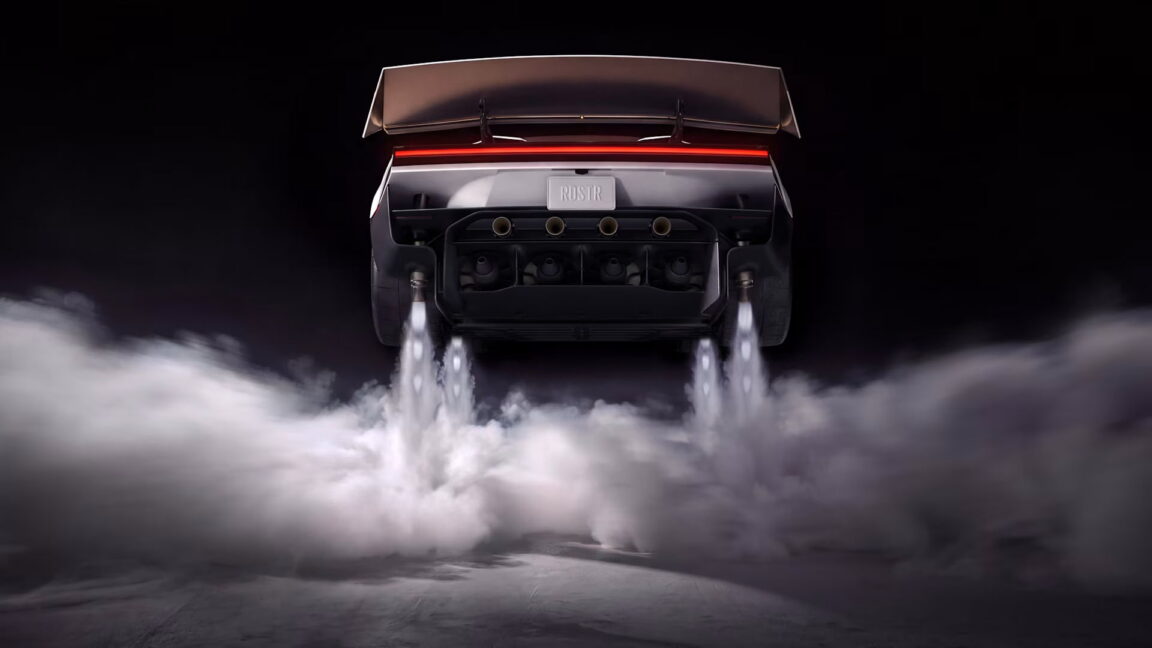
Elon Musk's flying Roadster stunt went viral, and five days later the bigger story dropped: companies are exploring a merger that could speed up Tesla's push into autonomous driving. The stunt itself used compressed-gas thrusters built by SpaceX, which is a hint about where this is headed. Why should developers care? Because automakers are chasing the same playbook. Car groups want recurring revenue from software and AI services, not just hardware sales. Tesla is the test case. If you build for vehicle platforms, APIs, or fleet tooling, the pricing and lock-in models being sketched here will reach your roadmap. The numbers are blunt. Tesla's car business still produces 75% of revenue. Musk's goal of 20 million vehicles a year by 2030 has shrunk to 5 million. Full Self-Driving is the near-term lever, and it is already Tesla's highest-margin segment, yet the company has not disclosed how much recurring FSD revenue it actually earns. What to watch: regulators. Tesla has no approval yet for fully autonomous FSD and is still seeking wider EU backing for supervised FSD. Xpeng is racing toward EU approval for its rival XNGP. A merger would give Musk more control, and more risk concentrated in one place.
Key Points
Tesla's car business generates 75% of total revenues, and it funds the company's heavy spending on AI research and infrastructure across its operations.
Keep reading — it's free
Enter your email to keep reading — plus the best of AI & tech, daily. Free, forever.
Already a member? Sign in
Comments
Be the first to comment