🌱Mycorrhizal Fungi Sequester 13B Tons CO2 Annually
80% of plants rely on fungi for survival
TL;DR
Mycorrhizal fungi, partnering with 80% of plant species, sequester 13 billion tons of CO2 annually. This is roughly one-third of global fossil-fuel emissions, making them crucial for climate regulation.
Mycorrhizal fungi, ancient partners of 80% of Earth's plant species, sequester 13 billion tons of atmospheric CO2 yearly. This is equivalent to one-third of global fossil-fuel emissions. These fungi form vast networks in soil, trading minerals with plant roots and enriching the soil. They break down rocks and digest hard-to-access minerals, supplying nutrients to trees and other plants. In return, plants feed the fungi sugar and lipids. This partnership is critical for soil health and climate regulation, making mycorrhizal fungi a key player in Earth's circulatory system.
Key Points
Mycorrhizal fungi form partnerships with 80% of plant species on Earth.
These partnerships evolved 450 million years ago, making them ancient.
Mycorrhizal fungi sequester 13 billion tons of CO2 annually, equivalent to one-third of global fossil-fuel emissions.
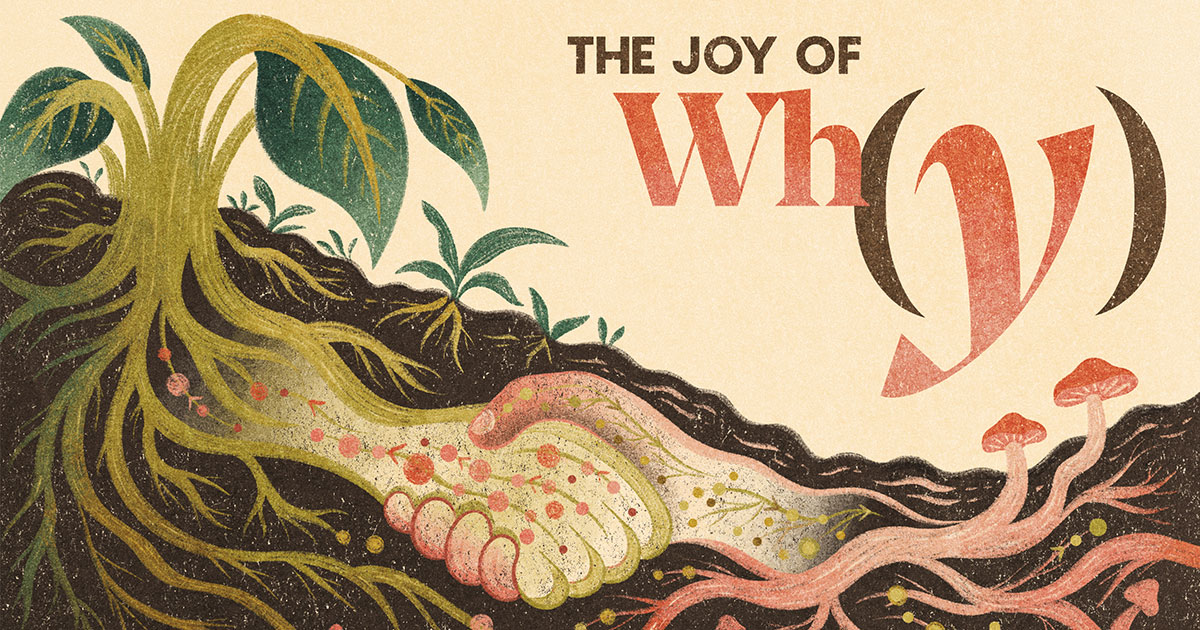
The fungi form networks in soil, trading minerals with plant roots and enriching the soil.
In return, plants feed the fungi sugar and lipids, maintaining a symbiotic relationship.
Why It Matters
If you're involved in soil health or climate regulation, mycorrhizal fungi are a game-changer. They sequester 13 billion tons of CO2 annually, equivalent to one-third of global fossil-fuel emissions. This makes them crucial for understanding and mitigating climate change. Their ancient partnerships with 80% of plant species also highlight their importance in terrestrial ecosystems.
Comments
Be the first to comment
Enjoyed this article?
Get it daily. 7am. Free. Reads in 5 minutes.
Join 3,569 builders reading daily.