🤖Netflix Retrofits Dev Lifecycle for AI Agents, Cuts Sev 1s to Zero
Your repo might need an AGENTS.md file soon
TL;DR
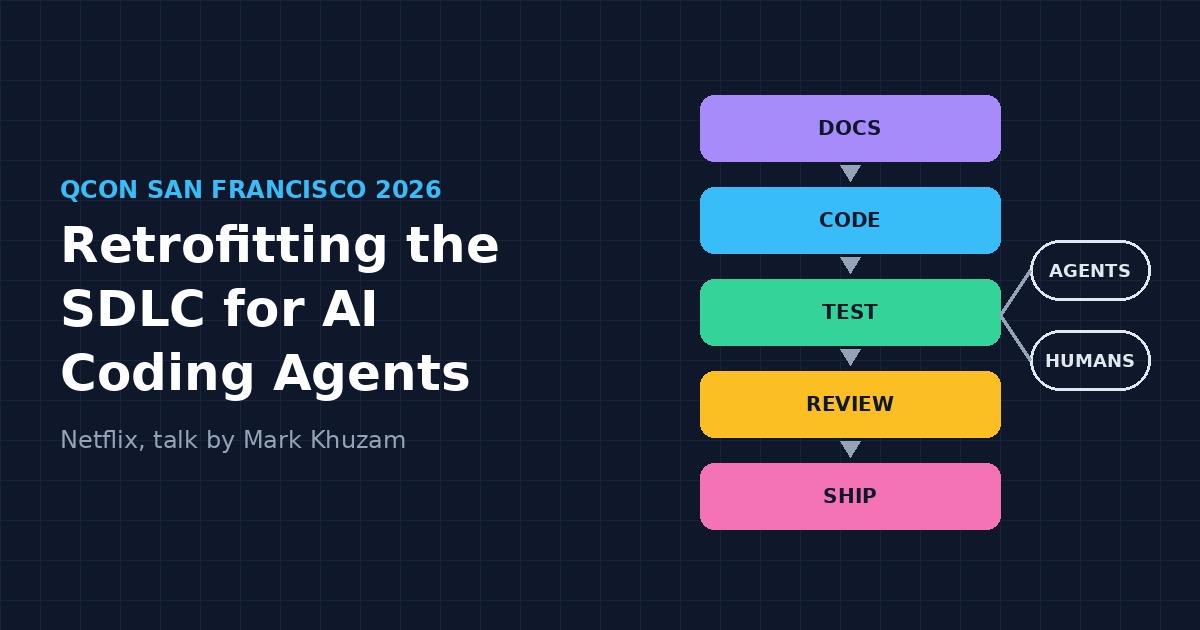
Netflix rebuilt its software development lifecycle so coding agents and engineers can work together. Pull requests rose 32% year over year, with zero Sev 1 incidents on a core service in 2026. The playbook is worth copying if agents are already in your repos.
Netflix just showed what AI coding agents look like when they're wired into a real production pipeline, and the results are hard to argue with. The company reworked its software development lifecycle so agents and engineers can share the same codebase without stepping on each other. Pull requests went up 32% year over year, and a core service recorded no Sev 1 incidents in 2026. If you're already letting Claude Code, Cursor, or Codex touch your repos, this is the part to read. Netflix's team wrote 45 architecture decision records covering context, decisions, patterns, anti-patterns, and AI usage notes, then shipped them inside nearly every repository. An AGENTS.md file tells agents to read those docs before anything else. The CI pipeline stays deterministic, and a review agent checks each PR against the ADRs and flags anti-patterns. The numbers back it up. Developer NPS climbed from -3 to +25 over three quarters. The team's first attempt at having an agent migrate tests took four tries, so this wasn't a magic switch. Changes still aren't auto-merged, and engineers own the code. The catch is that this takes real documentation work up front, and most teams skip it.
Key Points
Netflix wrote 45 architecture decision records, each covering context, decision, pattern, anti-pattern, and AI usage notes, now shipped inside almost every repository.
Keep reading — it's free
Enter your email to keep reading — plus the best of AI & tech, daily. Free, forever.
Already a member? Sign in
Comments
Be the first to comment