💡New Technique Produces Inch-Sized Wafer of Niobium Diselenide
Quantum computing just got a lot smaller and cheaper
TL;DR
Scientists have developed a method to produce large, uniform sheets of niobium diselenide, a material crucial for miniaturizing superconducting quantum computing hardware. This breakthrough could lead to more compact and efficient quantum technologies.
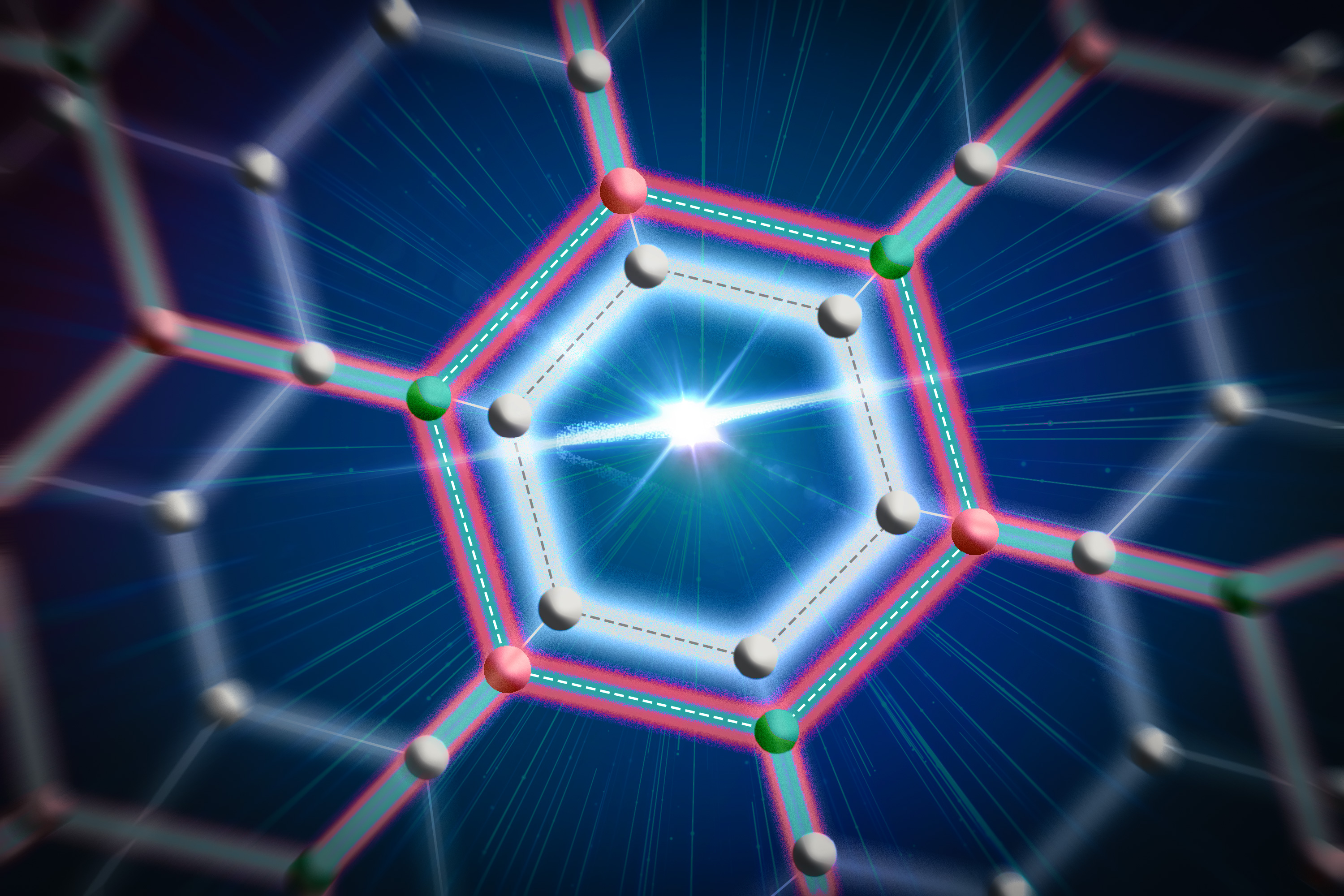
Researchers have unveiled a new technique that allows them to generate wafer-scale samples of ultrathin superconducting material, specifically niobium diselenide, which can be used in quantum devices. The material's high kinetic inductance makes it ideal for miniaturizing hardware and improving performance. This development is particularly significant for teams working on quantum computing or ultrasensitive detectors. The technique involves growing the material underneath a protective graphene layer, ensuring uniformity and stability.
Key Points
The technique allows researchers to generate perfectly smooth layers of niobium diselenide over an inch in size (25mm+).
Graphene protects the material from ambient oxidation, ensuring uniform growth and stability.
Niobium diselenide has a high kinetic inductance, enabling it to store energy efficiently in small areas.
The new method could lead to more compact quantum computing hardware and ultrasensitive detectors for communications or cosmology.
This research was published today in the journal Nature.
Why It Matters
If you're working on superconducting quantum circuits, this is a big deal. The ability to produce large, uniform sheets of niobium diselenide could reduce the size and cost of quantum computing hardware significantly. For instance, using this material can replace large electronic junctions with tiny pieces of thin-film material, making circuits more compact and efficient.
Frequently Asked Questions
Why does this matter?
If you're working on superconducting quantum circuits, this is a big deal. The ability to produce large, uniform sheets of niobium diselenide could reduce the size and cost of quantum computing hardware significantly. For instance, using this material can replace large electronic junctions with tiny pieces of thin-film material, making circuits more compact and efficient.
What happened?
Scientists have developed a method to produce large, uniform sheets of niobium diselenide, a material crucial for miniaturizing superconducting quantum computing hardware. This breakthrough could lead to more compact and efficient quantum technologies.
Comments
Be the first to comment
Enjoyed this article?
Get it daily. 7am. Free. Reads in 5 minutes.
Join 2,646 builders reading daily.