🌌Night Sky Brightness Rises 10% Yearly
The night sky is becoming a luxury
TL;DR
The night sky is getting 10% brighter annually due to light pollution. This trend affects stargazing and wildlife, making unpolluted skies a rare luxury.
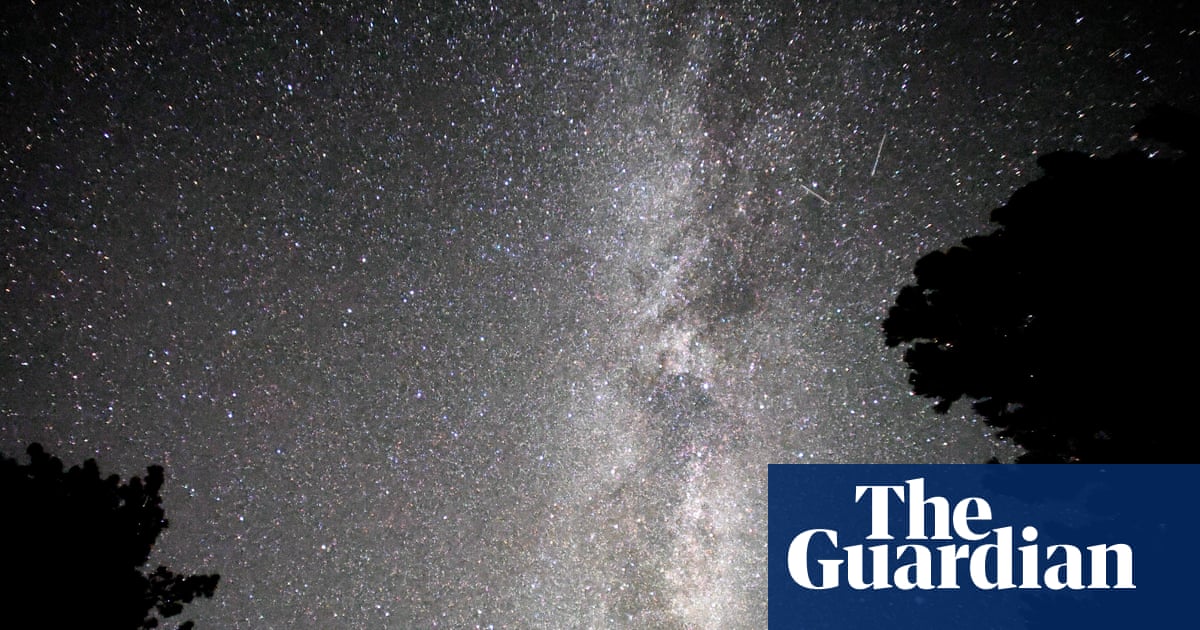
The night sky is getting 10% brighter every year due to light pollution, making stargazing harder and affecting wildlife. Eighty percent of people live under light-polluted skies, and the International Dark Sky Places network is trying to preserve natural darkness. This trend impacts stargazers, wildlife, and the environment, highlighting the need for better lighting practices. The Milky Way is becoming harder to see in many areas, and the right to darkness could help preserve the night sky as a habitat.
Key Points
The night sky is getting 10% brighter annually, affecting 80% of the global population under light-polluted skies.
2.5 million acres of unpolluted night sky exist in Oregon's outback, a rare luxury in today's world.
The International Dark Sky Places network designates areas with natural darkness, preserving the night sky as a habitat.
Light pollution primarily comes from street lights, buildings, parking lots, and sports courts left on all night.
The number of satellites in orbit has surpassed 11,000, adding to the light pollution in the night sky.
Why It Matters
If you're a stargazer or wildlife enthusiast, the increasing light pollution is a significant issue. The right to darkness could make a few more stars visible and help preserve natural darkness, but it won't turn every city into the rural Oregon outback. The impact on wildlife and the environment is substantial, making better lighting practices crucial.
Comments
Be the first to comment
Enjoyed this article?
Get it daily. 7am. Free. Reads in 5 minutes.
Join 3,568 builders reading daily.