🎮PS2's Magic Security Chip Reverse-Engineered After 4 Years
PS2's security chip secrets are out
TL;DR
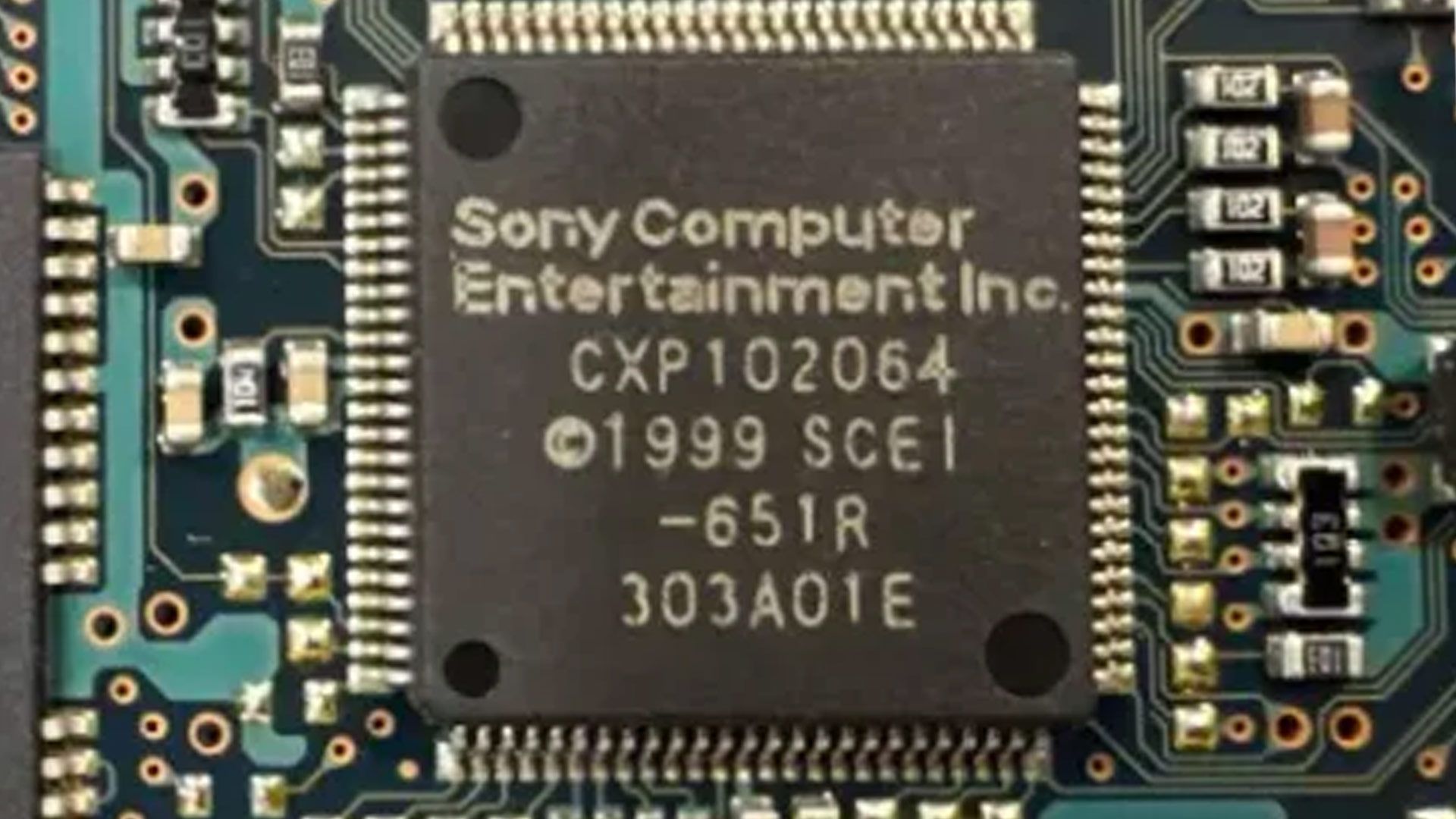
After four years, the PlayStation 2's CXP102064 MechaCon security chip has been reverse-engineered, opening up new possibilities for emulation and homebrew development. The chip controlled optical and flash drive mechanics and played a key role in Sony's game disc security.
The PlayStation 2's CXP102064 MechaCon security chip has been reverse-engineered after a four-year effort. This chip, used in PS2 Fat consoles since 1999, controlled optical and flash drive mechanics and was crucial for Sony's game disc security. The process involved chemically decapping the chip and using microscopes to analyze the silicon. This breakthrough will enhance PS2 emulation and homebrew development, allowing for better compatibility and new features in custom firmware. The MechaCon was also used in arcade machines like Namco System 246 and Konami Python 1, adding to its historical significance.
Key Points
The CXP102064 MechaCon chip was used in PS2 Fat consoles from 1999.
The chip controlled optical and flash drive mechanics, supporting Magic Gate memory card and KELF file decryption.
Reverse-engineering took four years, involving chemically decapping the chip to expose the die.
Microscopes and optical dumping skills were used to analyze the silicon chip circuitry.
The achievement will improve PS2 emulation and homebrew developments, opening up possibilities for replacing aging optical drives.
Why It Matters
The reverse-engineering of the PS2's CXP102064 MechaCon chip will enhance PS2 emulation and homebrew development, allowing for better compatibility and new features in custom firmware. This is a big win for PS2 enthusiasts and retro gaming communities, as it opens up new possibilities for hardware and software development.
Comments
Be the first to comment
Enjoyed this article?
Get it daily. 7am. Free. Reads in 5 minutes.
Join 3,482 builders reading daily.