🔍Replication Study Challenges Ariely and Wertenbroch's 2002 Paper
A 2002 study's data might be tampered with
TL;DR
A new paper challenges the validity of a 2002 Psychological Science study on task performance with deadlines. The authors found major red flags in the data, raising questions about the original findings.
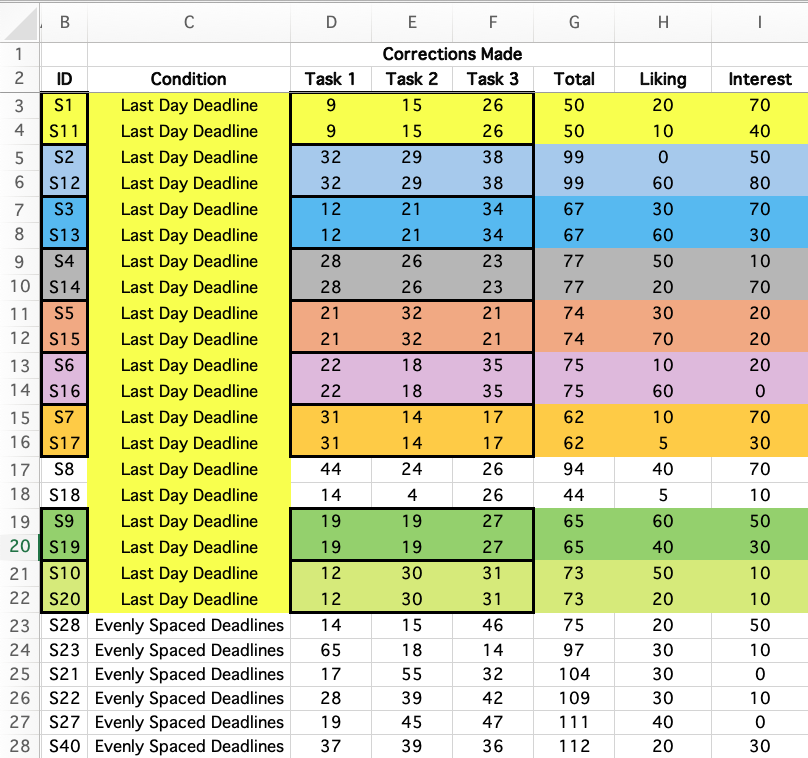
A new replication study in Psychological Science challenges the validity of a 2002 paper by Dan Ariely and Klaus Wertenbroch, which found that people perform better on tasks with evenly spaced deadlines. The replication authors discovered four major red flags in the original data, including identical correction numbers for 18 out of 20 participants in the 'Last Day Deadline' condition. This raises serious questions about the original study's data integrity and its influence in economics and psychology courses. The original study has over 2,100 citations, making this replication a significant development.
Key Points
A new paper in Psychological Science challenges the validity of a 2002 study by Dan Ariely and Klaus Wertenbroch.
The original study found that evenly spaced deadlines led to better task performance, with a Cohen's d = 2.5.
The replication authors identified four major red flags in the original data, including identical correction numbers for 18 out of 20 participants.
The original study has over 2,100 citations on Google Scholar and is assigned reading in many courses.
The replication authors received the original data files in 2006 and 2023, allowing them to reproduce the means and standard errors.
Why It Matters
If you're teaching or referencing the 2002 Ariely and Wertenbroch paper in your courses or research, this replication study raises serious questions about the data integrity and validity of the original findings. The study's influence extends to economics and psychology courses, making it crucial to re-evaluate the reliance on these results.
Frequently Asked Questions
Why does this matter?
If you're teaching or referencing the 2002 Ariely and Wertenbroch paper in your courses or research, this replication study raises serious questions about the data integrity and validity of the original findings. The study's influence extends to economics and psychology courses, making it crucial to re-evaluate the reliance on these results.
What happened?
A new paper challenges the validity of a 2002 Psychological Science study on task performance with deadlines. The authors found major red flags in the data, raising questions about the original findings.
Comments
Be the first to comment
Enjoyed this article?
Get it daily. 7am. Free. Reads in 5 minutes.
Join 3,418 builders reading daily.