🧲Researchers Build Superconducting-Magnetic Memory Cell for Ultra-Efficient Quantum Electronics
Your quantum rig's support electronics might finally get cheaper to run
TL;DR
Researchers stacked an ultrathin superconducting film between two magnetic layers to build a tiny device that stores data without continuous power. It works as a memory cell and programmable diode, which could cut energy use in cold computing and quantum support electronics.
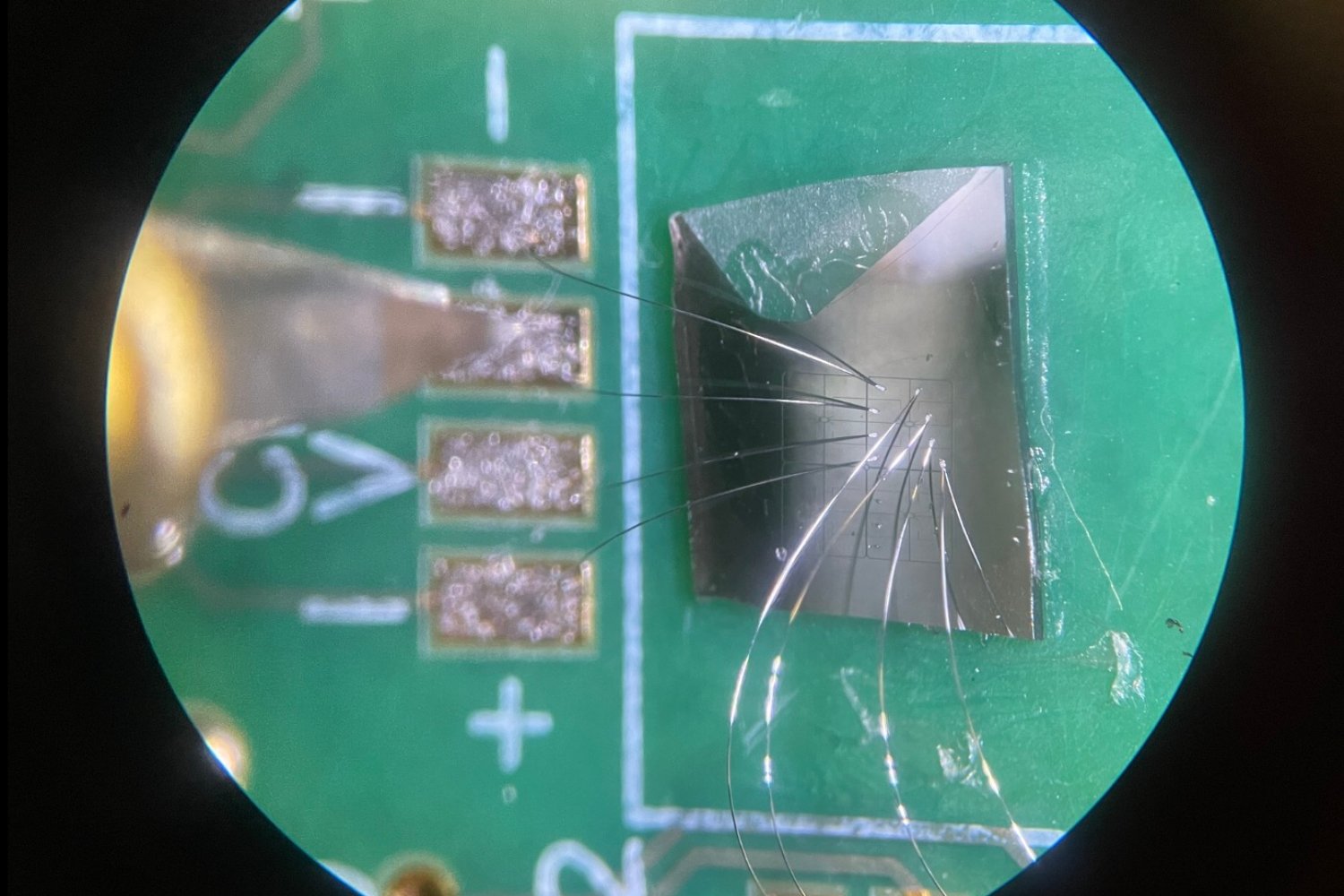
Researchers have built a tiny sandwich: an ultrathin superconducting film between two magnetic layers. The magnets decide whether the film's superconductivity is on or off, and that switch is what makes it useful as a memory cell. Why should you care? Because this device does two jobs. It stores information and controls signal flow, acting as a programmable diode that can pass pulses one way, the other way, or block them both ways. For anyone designing the cryogenic electronics around quantum hardware, that's one component instead of several. The energy numbers are the real hook. Changing the magnetic alignment takes less energy than flipping a traditional semiconductor cell, and the device holds its state without a continuous electrical supply. The catch: it runs at extremely cold temperatures, and the team still has to shrink these devices and combine them into arrays before anyone can call it practical.
Key Points
The device is an ultrathin superconducting film sandwiched between two magnetic layers, with the magnets controlling whether superconductivity is switched on or off.
Keep reading — it's free
Enter your email to keep reading — plus the best of AI & tech, daily. Free, forever.
Already a member? Sign in
Comments
Be the first to comment