🧬Researchers Split Genetic Code in Bacteria
Scientists figured out how to run two codes in one cell
TL;DR
Researchers have developed a method to operate two separate genetic codes simultaneously in bacterial cells, a feat that could lead to the creation of entirely new proteins and materials. This breakthrough could revolutionize synthetic biology and biotechnology.
Researchers have managed to operate two separate genetic codes in bacterial cells, a significant step in synthetic biology. This breakthrough allows for the creation of proteins with entirely new properties, potentially leading to novel materials and therapies. The key insight is modifying transfer RNA and ribosomes to work with a second genetic code, enabling the production of two different proteins from a single mRNA. However, the practical application in actual cells remains a challenge due to the risk of malformed proteins.
Key Points
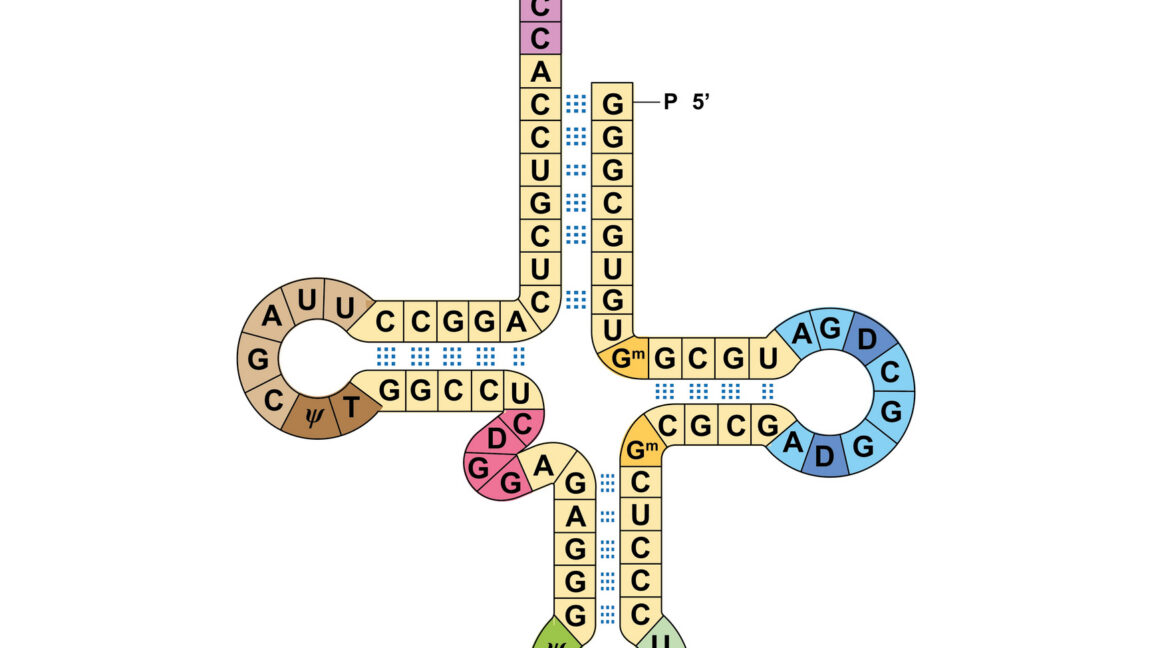
Researchers modified transfer RNA and ribosomes to work with a second genetic code, enabling two codes to operate simultaneously in bacterial cells.
The team developed a method to charge modified transfer RNAs, involving subtle differences in chemical reactions, achieving up to 90% efficiency.
One population of transfer RNAs can only interact with normal ribosomes, while the other can only interact with engineered ribosomes.
The researchers confirmed that modified transfer RNAs are ignored by normal ribosomes but can be used by ribosomes with corresponding changes.
The alternative ribosome would still try to translate any mRNA it encounters, potentially producing malformed proteins, posing a challenge for practical application.
Why It Matters
This breakthrough could enable the creation of entirely new proteins and materials, potentially revolutionizing synthetic biology and biotechnology. However, the challenge of using two genetic codes in parallel in actual cells remains a significant hurdle.
Frequently Asked Questions
Why does this matter?
This breakthrough could enable the creation of entirely new proteins and materials, potentially revolutionizing synthetic biology and biotechnology. However, the challenge of using two genetic codes in parallel in actual cells remains a significant hurdle.
What happened?
Researchers have developed a method to operate two separate genetic codes simultaneously in bacterial cells, a feat that could lead to the creation of entirely new proteins and materials. This breakthrough could revolutionize synthetic biology and biotechnology.
Comments
Be the first to comment
Enjoyed this article?
Get it daily. 7am. Free. Reads in 5 minutes.
Join 3,336 builders reading daily.