💡Scientists Replicate 1,600-Year-Old Lycurgus Cup's Optical Behavior
Ancient Glass's Color-Changing Trick Revealed
TL;DR
Scientists from the University of Sheffield have replicated the color-changing effect of the 1,600-year-old Lycurgus Cup, using an ancient recipe. The cup's optical behavior, due to gold and silver nanoparticles, changes color based on light position, offering insights into ancient glassmaking techniques.
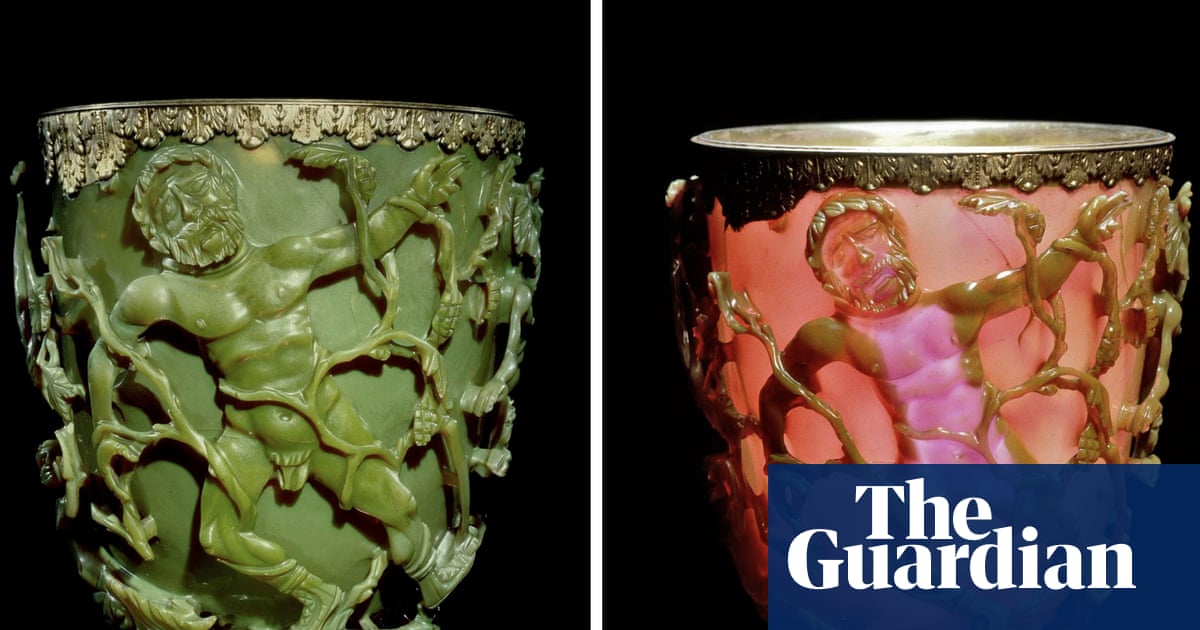
Scientists from the University of Sheffield have cracked the code behind the Lycurgus Cup's optical magic. The 1,600-year-old Roman glass masterpiece changes from jade green to ruby red depending on the light source. This breakthrough is more than just a history lesson; it sheds light on ancient glassmaking techniques and materials. The replication, achieved using an ancient recipe, highlights the precision and ambition of Roman artisans. The cup's color-changing effect is due to nanoparticles of gold and silver, which block certain colors of light, allowing only reds and oranges to pass through. This replica will be unveiled at the Millennium Gallery as part of the University of Sheffield's Festival of the Mind, offering a glimpse into the past and the future of glass technology.
Key Points
Scientists from the University of Sheffield replicated the Lycurgus Cup's optical behavior using an ancient recipe derived from a fragment of the Roman original.
The Lycurgus Cup changes from jade green to ruby red depending on the light source, a 1,600-year-old optical marvel.
The cup's color-changing effect is due to nanoparticles of gold and silver, blocking certain colors of light and allowing reds and oranges to pass through.
The replica will be unveiled at the Millennium Gallery as part of the University of Sheffield's Festival of the Mind, offering a glimpse into ancient glassmaking techniques.
The original Lycurgus Cup bears a mythological frieze depicting the legend of King Lycurgus from Homer's Iliad, recognized as one of the seven glass wonders of the world in 2022.
Why It Matters
If you're fascinated by ancient glassmaking techniques, the replication of the Lycurgus Cup's optical behavior offers a rare look into Roman craftsmanship. The cup's color-changing effect, due to gold and silver nanoparticles, reveals the precision and ambition of ancient artisans. This breakthrough not only sheds light on historical glass technology but also offers insights into the materials and techniques used by Roman glassmakers.
Comments
Be the first to comment
Enjoyed this article?
Get it daily. 7am. Free. Reads in 5 minutes.