🤖Simulation-Driven Testing Solves AI Agent Bottlenecks
AI agents finally get a reliable testing ground
TL;DR
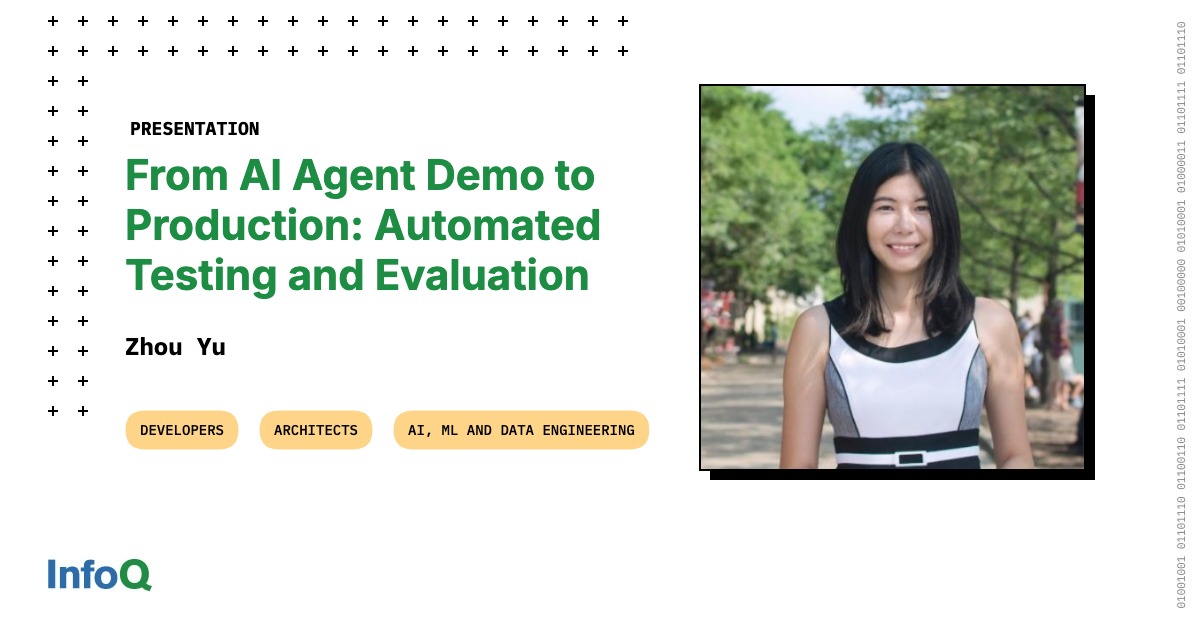
Simulation-driven testing can now solve compliance and reliability issues for AI agents, allowing for more effective evaluation and deployment. This approach can catch edge cases before deployment and scale self-learning workflows in production.
Simulation-driven testing is revolutionizing how AI agents, including conversational and voice agents, are evaluated and deployed. This method addresses compliance and reliability bottlenecks, enabling more thorough testing and faster deployment. For instance, shopping agents like those used by Walmart can now be tested more rigorously, ensuring they provide accurate and helpful information to users. This approach also allows for the seamless integration of pre-generated question-answer pairs and product review cards, enhancing user interaction. The key takeaway is that this testing method can catch edge cases before deployment, ensuring smoother transitions to production for AI agents.
Key Points
Simulation-driven testing can catch edge cases before AI agents go live, ensuring smoother production transitions.
Conversational agents, such as shopping agents, can be tested more thoroughly, improving user interaction.
Voice agents can provide personalized recommendations and help users apply for credit cards, thanks to rigorous testing.
Walmart uses shopping agents that benefit from simulation-driven testing, enhancing user experience and accuracy.
Self-learning workflows can scale in production using simulation-driven testing, improving reliability and efficiency.
Why It Matters
If you're deploying conversational or voice agents, simulation-driven testing can significantly improve reliability and user interaction. For example, Walmart's shopping agents benefit from this approach, ensuring accurate and helpful information is provided to users. This testing method also allows for the seamless integration of pre-generated Q&A pairs and product review cards, enhancing user experience.
Frequently Asked Questions
Why does this matter?
If you're deploying conversational or voice agents, simulation-driven testing can significantly improve reliability and user interaction. For example, Walmart's shopping agents benefit from this approach, ensuring accurate and helpful information is provided to users. This testing method also allows for the seamless integration of pre-generated Q&A pairs and product review cards, enhancing user experience.
What happened?
Simulation-driven testing can now solve compliance and reliability issues for AI agents, allowing for more effective evaluation and deployment. This approach can catch edge cases before deployment and scale self-learning workflows in production.
Comments
Be the first to comment
Enjoyed this article?
Get it daily. 7am. Free. Reads in 5 minutes.
Join 3,463 builders reading daily.