🚀Space Force Triples National Security Launch Contract to $17B
Your satellite launch budget just got a lot bigger
TL;DR
The US Space Force has tripled the maximum value of its National Security Space Launch (NSSL) contracts to $17 billion, reflecting rising demand for military satellite launches. This expansion opens up more opportunities for commercial launch providers in Lane 1.
The US Space Force has just bumped the max value of one National Security Space Launch contract from $5.6B to a whopping $17B. Why should you care? It's not just about SpaceX anymore; Rocket Lab, Stoke Space, and others are now in the game for Lane 1 missions. This means more competition and potentially lower costs for less critical satellite launches. The key numbers: Lane 2 is still reserved for high-stakes missions like spy satellites, with only SpaceX and ULA certified. But Lane 1's $17B cap covers up to 30 task orders over five years, opening the door for new players.
Key Points
US Space Force has tripled the maximum value of one NSSL contract from $5.6B to $17B, reflecting rising demand for military satellite launches.
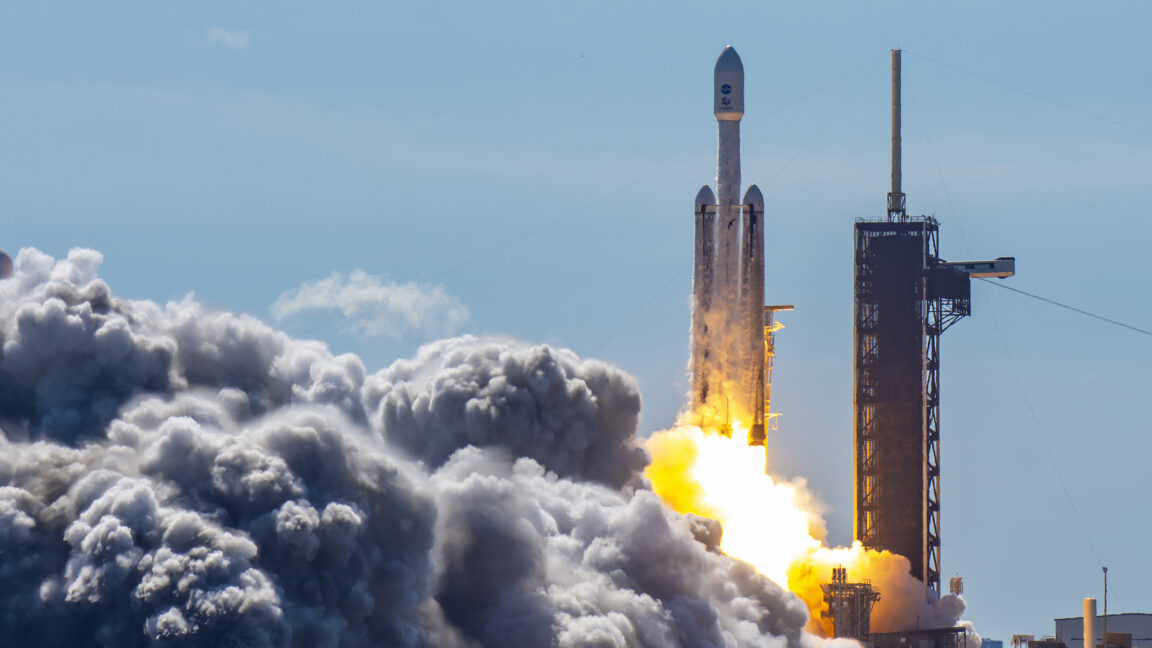
Lane 2 contracts include high-priority missions like government spy satellites and radiation-hardened communications satellites; only SpaceX's Falcon 9/Heavy and ULA's Vulcan are certified.
Commercial providers like Rocket Lab, Stoke Space, Relativity Space, and Impulse Space qualify for less critical Lane 1 missions without extensive certification from the Space Force.
SpaceX has won most Lane 1 task orders to date; Blue Origin secured its first earlier this year. The original estimate was at least 30 task orders over five years with a $5.6B cap.
The combined maximum value of Lane 1 and Lane 2 contracts now exceeds $30 billion, driven by Pentagon programs like the Space Data Network and Golden Dome missile defense shield.
Why It Matters
If you're planning to launch medium-lift satellites with experimental payloads or rideshare missions for the Pentagon's surveillance networks, this expansion of Lane 1 contracts opens up more options. But remember, only SpaceX and ULA are certified for high-stakes Lane 2 missions like spy satellites.
Frequently Asked Questions
Why does this matter?
If you're planning to launch medium-lift satellites with experimental payloads or rideshare missions for the Pentagon's surveillance networks, this expansion of Lane 1 contracts opens up more options. But remember, only SpaceX and ULA are certified for high-stakes Lane 2 missions like spy satellites.
What happened?
The US Space Force has tripled the maximum value of its National Security Space Launch (NSSL) contracts to $17 billion, reflecting rising demand for military satellite launches. This expansion opens up more opportunities for commercial launch providers in Lane 1.
Comments
Be the first to comment
Enjoyed this article?
Get it daily. 7am. Free. Reads in 5 minutes.
Join 2,180 builders reading daily.