🚀SpaceX Launches 26 Starlink V3 Satellites Despite Engine Trouble
SpaceX's Starlink launch cut short due to engine issues
TL;DR
SpaceX successfully launched 26 Starlink V3 satellites but cut the mission short due to an engine shutdown. The launch remains a concern for future missions, including lunar landings.
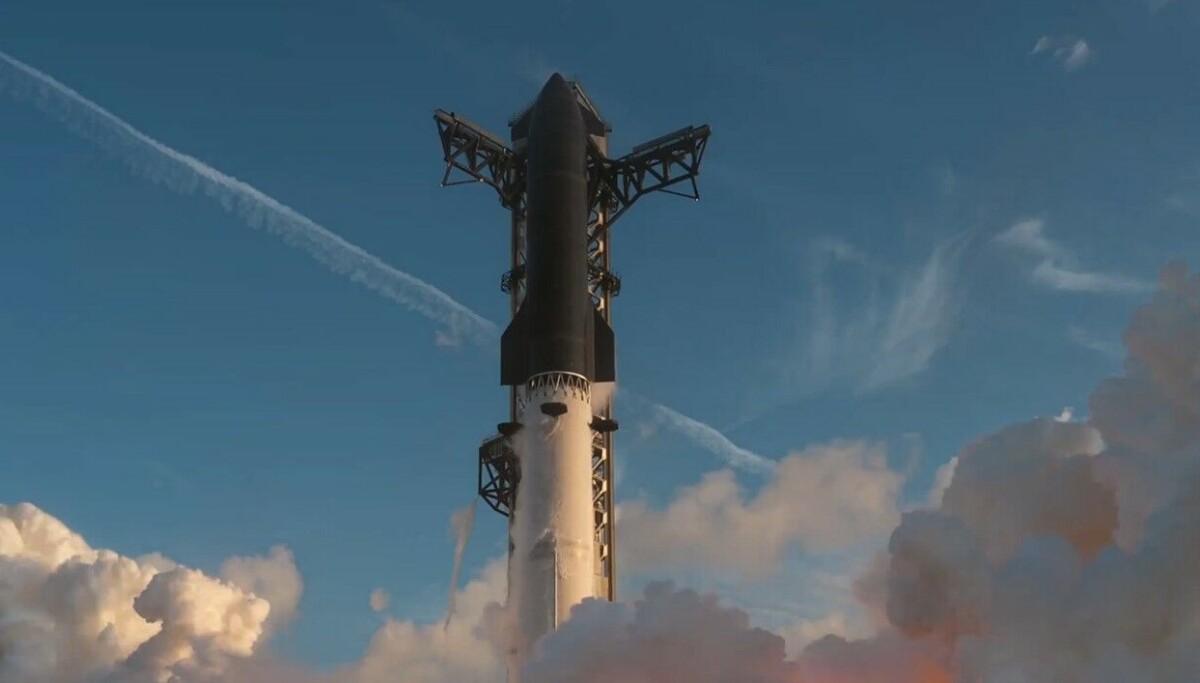
SpaceX launched 26 Starlink V3 satellites but had to cut the mission short due to engine trouble. One Raptor 3 engine shut down during ascent, leaving the spacecraft on a suborbital trajectory. Despite this, the spacecraft managed to enter orbit and deploy satellites. The premature shutdown of the Raptor engine remains a concern for future missions, including lunar landings. NASA's inspector general highlighted SpaceX's lunar architecture, which calls for a propellant depot and over ten tanker launches. The revised Artemis III mission in 2027 will now be a docking demonstration in low Earth orbit rather than a lunar landing. SpaceX will contribute a single Version 3 Starship fitted with a docking system for the demonstration.
Key Points
SpaceX deployed 26 Starlink V3 satellites on a mission cut short by engine issues.
One Raptor 3 engine shut down during ascent, leaving the spacecraft on a suborbital trajectory.
The booster reignited 26 of the 28 engines planned for its boostback maneuver.
During descent, the booster reignited 11 of the 13 engines for the high-thrust portion of its landing burn.
Controllers decided to cut the mission short out of an abundance of caution, with the spacecraft performing its deorbit burn and splashing down in the North Pacific after about three hours.
Why It Matters
The premature shutdown of a Raptor engine during ascent raises concerns for future SpaceX missions, particularly the lunar landing plans. NASA's inspector general highlighted the need for over ten tanker launches for a propellant depot, indicating the complexity and risk involved. The revised Artemis III mission in 2027 will now focus on a docking demonstration in low Earth orbit, showing the cautious approach taken by both SpaceX and NASA.
Comments
Be the first to comment
Enjoyed this article?
Get it daily. 7am. Free. Reads in 5 minutes.