🔬Spirostomum ambiguum Shrinks 4x Faster Than Human Muscle
This single-celled organism could inspire the next generation of artificial muscles
TL;DR
Spirostomum ambiguum can contract to one-quarter its size in milliseconds, 10 times faster than human muscle. This could lead to new artificial muscle designs for robotics and engineering.
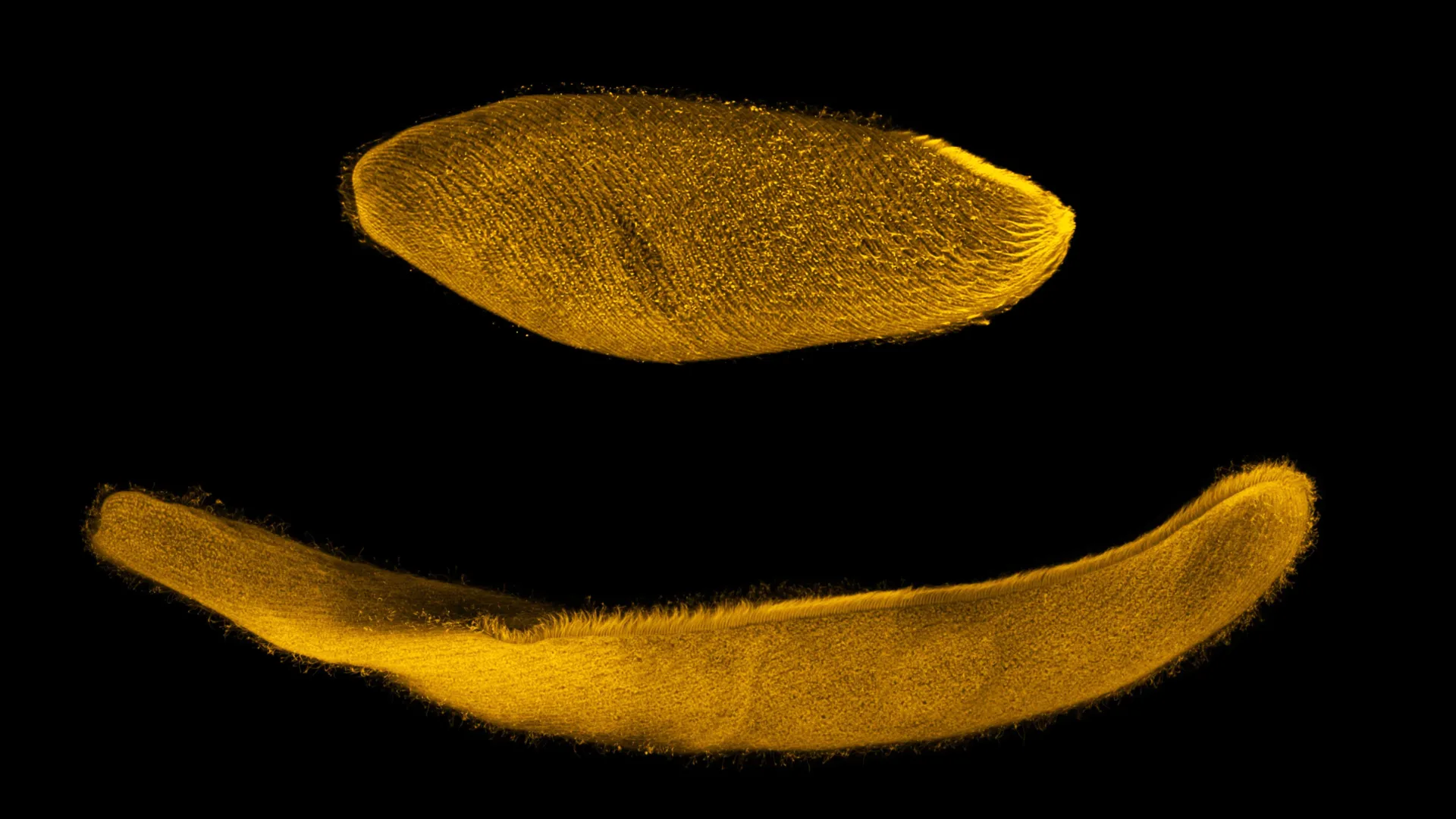
Spirostomum ambiguum, a single-celled organism, can shrink to one-quarter of its length in milliseconds, making it the fastest known contraction in nature. This speed is crucial for survival, allowing it to escape predators or communicate with other ciliates. Scientists are intrigued by its unique fishnet-like protein network, which allows for rapid and uniform contraction without relying on ATP. This research could inspire new designs in artificial muscles, enhancing robotics and engineering applications. The study was published in the Proceedings of the National Academy of Sciences, supported by the National Science Foundation and NIGMS of the NIH.
Key Points
Spirostomum ambiguum shrinks to one-quarter its length in milliseconds, 10x faster than human muscle (100 body lengths per second).
Calcium ions trigger contraction in Spirostomum, while a fishnet-like protein network allows for rapid and uniform shrinkage.
Sfi1 protein in Spirostomum shifts from stiff to flexible, clumping up like wet spaghetti to initiate contraction.
The fishnet geometry protects internal organelles during rapid contraction, making it unique in nature.
Researchers aim to determine the precise mechanism of contraction and how the organism repeats the process.
Why It Matters
If you're working on robotics or engineering applications that require rapid, uniform movement, Spirostomum ambiguum's unique contraction mechanism could inspire new designs. The fishnet-like protein network allows for quick and efficient contraction without ATP, offering a novel approach to artificial muscle development.
Comments
Be the first to comment
Enjoyed this article?
Get it daily. 7am. Free. Reads in 5 minutes.