🪨Stonehenge Stones Traced to New Source, 18km Away
Stonehenge's stones came from even farther away
TL;DR
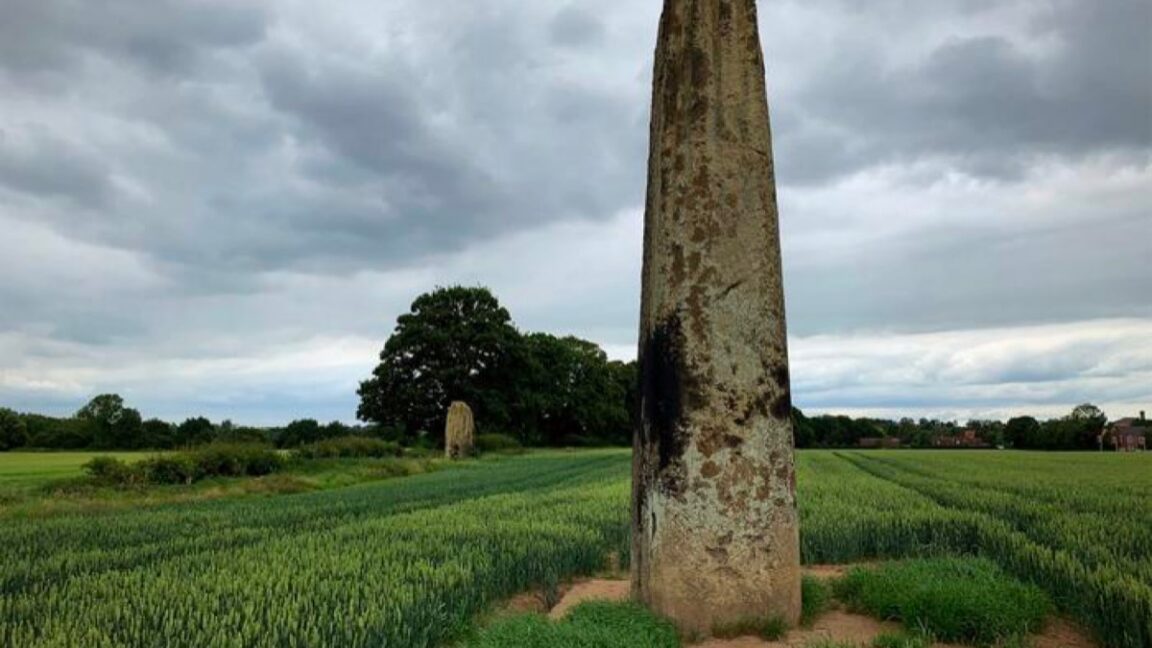
Scientists have traced Stonehenge's stones to a site 18km away, confirming human transport. The Devil's Arrows, Britain's tallest standing stones, also have a new source. Moving these stones required incredible planning and engineering skill.
Scientists have confirmed that the stones of Stonehenge and the Devil's Arrows were transported by humans from a site 18 kilometers away, not by glacial movement as previously thought. This discovery highlights the incredible planning, coordination, and engineering skill of prehistoric builders. The stones were deliberately chosen from a challenging landscape, likely for cultural or religious significance. This new source is Brimham Rocks, previously thought to be Plumpton Rocks. The analysis used field emission scanning electron microscopy and isotopic analysis of zircon and apatite minerals to match the stones to their source.
Key Points
Stonehenge's stones were transported 18 kilometers by prehistoric builders, not glacial movement.
Devil's Arrows stones were traced to Brimham Rocks, previously thought to be Plumpton Rocks.
Analysis used field emission scanning electron microscopy and isotopic analysis of zircon and apatite minerals.
Moving the stones required incredible planning, coordination, and engineering skill.
The stones were deliberately chosen from a challenging landscape, likely for cultural or religious significance.
Why It Matters
If you're studying prehistoric architecture, this changes the understanding of how and why megalithic structures were built. The Devil's Arrows, Britain's tallest standing stones, now have a new source, Brimham Rocks, previously thought to be Plumpton Rocks. This discovery highlights the incredible engineering skill and cultural significance of these ancient structures.
Comments
Be the first to comment
Enjoyed this article?
Get it daily. 7am. Free. Reads in 5 minutes.
Join 3,482 builders reading daily.