🚗Tesla Autopilot Lets Drivers Go Hands-Free, But Not So Fast
Robotaxi interiors are becoming a wild west of behavior
TL;DR
Tesla's Autopilot lets drivers go hands-free, but videos show misuse. Robotaxis face privacy issues, with cultural and design challenges. AI assistants may help monitor and warn riders.
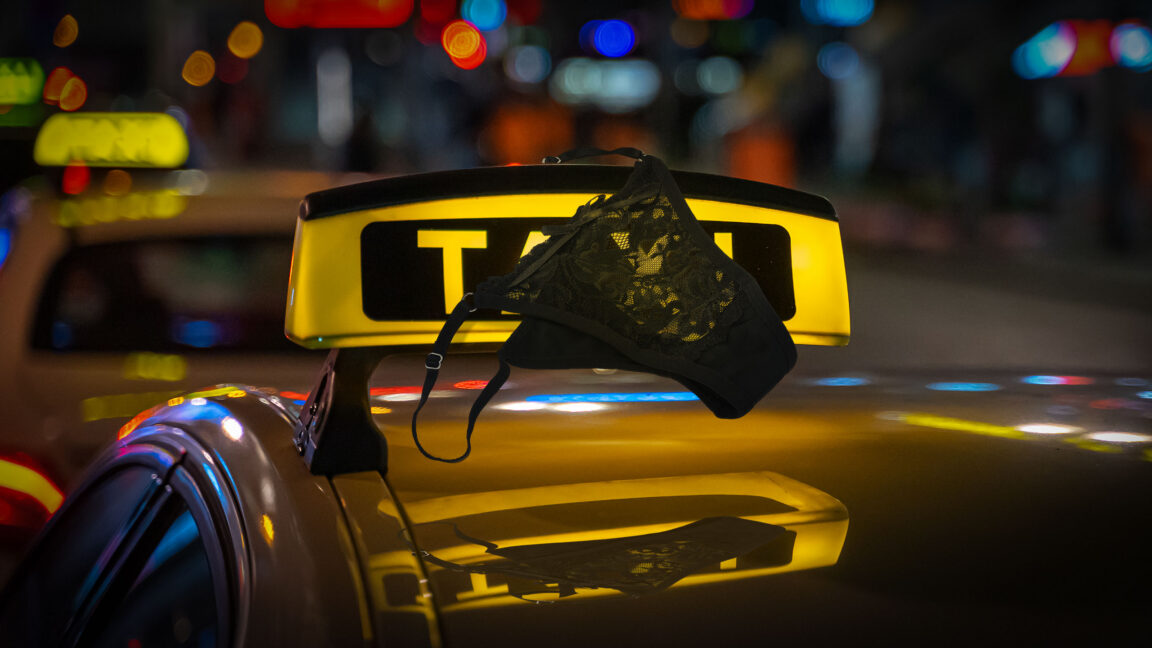
Tesla's Autopilot now allows drivers to go hands-free, but footage of misuse is surfacing. People are using robotaxi interiors for sexual activities and other risky behaviors. This raises privacy concerns and highlights the need for better monitoring systems. AI assistants can detect intoxicated passengers and remind riders of monitored environments. Design changes, like non-transparent seats, may prevent certain events. Cultural differences and local regulations complicate the issue.
Key Points
Tesla Autopilot now allows hands-free driving, but videos show misuse in robotaxi interiors.
AI assistants can detect intoxicated passengers with high accuracy, reminding riders of monitored environments.
Design changes like non-transparent seats can prevent certain events in robotaxi interiors.
Cultural differences and local regulations complicate the use of robotaxis for tourists and content creators.
AI systems can warn riders of risky behavior, potentially preventing misuse and ensuring safety.
Why It Matters
Robotaxi interiors are becoming a hotbed for misuse and privacy concerns. AI assistants and design changes are crucial for ensuring safety and compliance. Developers and designers must consider cultural and regulatory factors when implementing new technologies.
Comments
Be the first to comment
Enjoyed this article?
Get it daily. 7am. Free. Reads in 5 minutes.
Join 3,556 builders reading daily.