🤖Trump Declares Foreign Factory Robot Imports a National Security Threat
Your robot supply chain may get tariffed within 180 days
TL;DR
President Trump declared imports of foreign-made factory robots a national security threat on October 28. Agreements must be reached within 180 days or tariffs, duties, quotas, and fees follow. US companies would pay those costs, so automation budgets should account for it now.
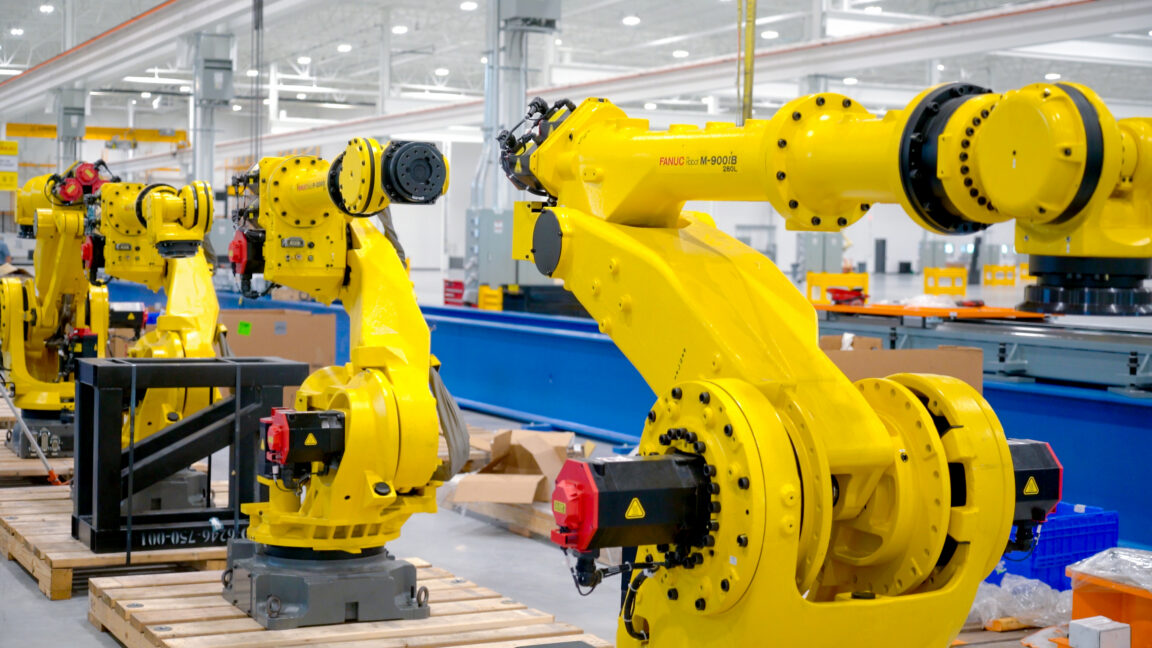
Trump just declared foreign-made industrial robots a national security threat, and the clock is now 180 days. A proclamation issued October 28 directs the administration to strike new agreements on robot imports. If none land, the president can add tariffs, duties, quotas, and fees. Those costs land on US companies doing the importing, not on the foreign makers. If you run automation, this hits your hardware budget first. The Department of Commerce investigation flagged cybersecurity vulnerabilities in imported robots, which is the kind of finding that tends to turn into compliance requirements. Teams at automotive and aerospace shops buying large robotic arms from the big four makers are the most exposed, because no US company currently sells comparable heavy-duty hardware. Waivers may soften the blow for big players, but don't plan around getting one. The numbers explain the squeeze. The US is now the second-largest market for industrial robots, with nearly 38,500 new installations reported in 2025 by the International Federation of Robotics. Foreign makers have been expanding US engineering and assembly plants, which may complicate how a tariff is applied. Amazon uses some foreign robots despite ramping its own in-house production, so even heavy automators aren't fully insulated. Watch the 180-day deadline. Agreements or tariffs are the only two outcomes that matter for procurement.
Key Points
The US installed nearly 38,500 new industrial robots in 2025, making it the second-largest market for them, according to the International Federation of Robotics.
Keep reading — it's free
Enter your email to keep reading — plus the best of AI & tech, daily. Free, forever.
Already a member? Sign in
Comments
Be the first to comment