💡Ukraine's Solar Fields Keep Water Flowing Amidst Strikes
Solar fields keep water flowing in war-torn Mykolaiv
TL;DR
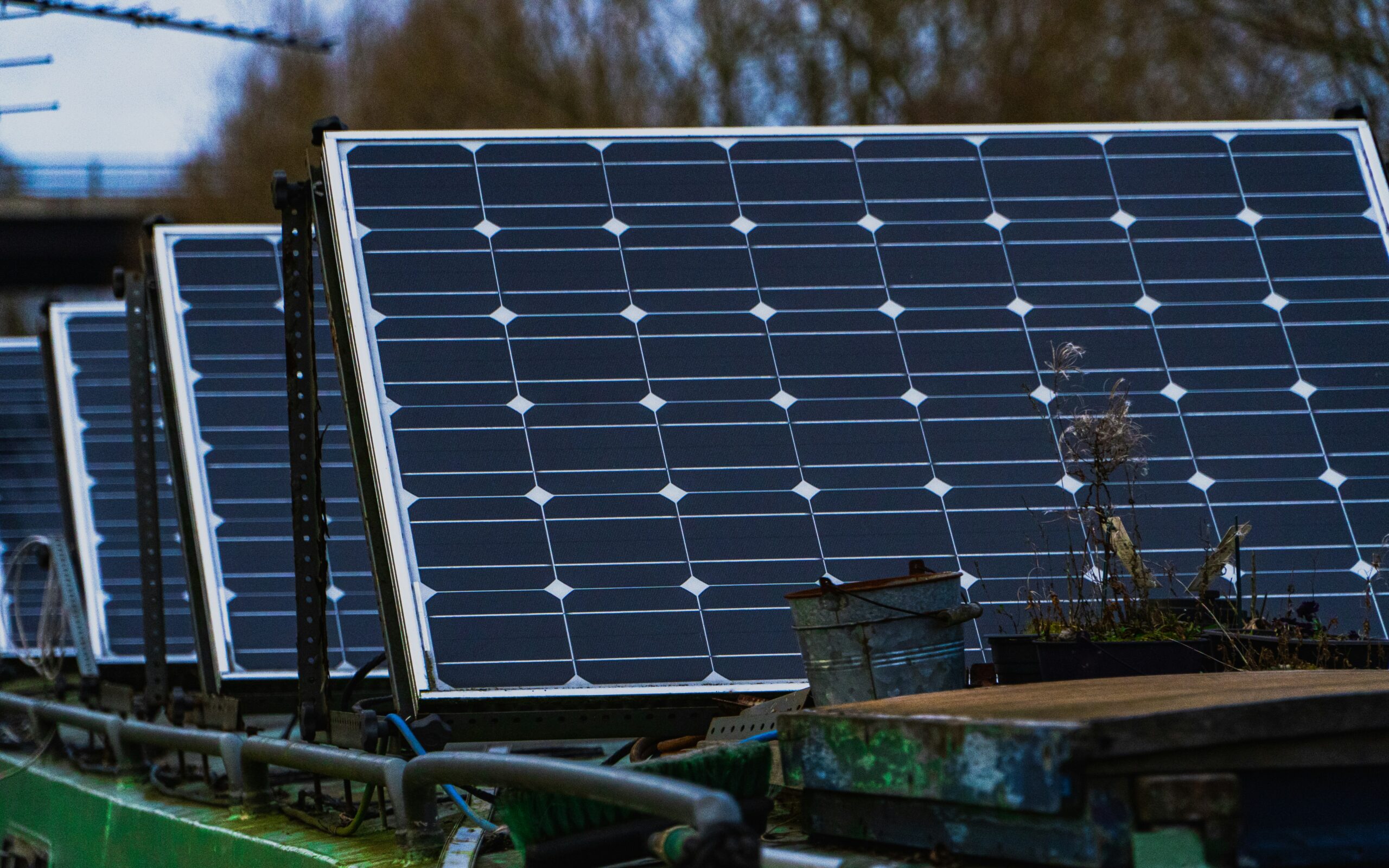
A Danish-funded solar field in Mykolaiv, Ukraine, kept water flowing despite Russian strikes, highlighting the resilience of decentralized energy systems. The solar field, with batteries and arrays, provided water to residents even in January.
A Danish-funded solar field in Mykolaiv, Ukraine, kept water flowing despite Russian strikes, showcasing the resilience of decentralized energy systems. The solar field, with batteries and arrays, provided water to residents even in January, demonstrating the critical role of off-grid power in maintaining essential services during wartime. Ukraine's energy sector, damaged at over $56 billion, is rapidly transitioning to renewables for security, not climate reasons, with a focus on rooftop solar, small-scale utility PV, and local storage. This shift is driven by the need for decentralization, flexibility, and quick recovery.
Key Points
Danish-funded solar field in Mykolaiv, Ukraine, kept water flowing despite Russian strikes, showcasing resilience of off-grid power.
Ukraine's energy sector damaged at over $56 billion, driving rapid transition to renewables for security, not climate reasons.
Ukraine's energy transition prioritizes decentralization, flexibility, and quick recovery, focusing on rooftop solar, small-scale utility PV, and local storage.
Ukraine's renewable energy consumption expected to double in four years, with seven gigawatts of wind power in the pipeline for this year.
Ukraine's potential to add solar capacity in the next five years is equivalent to about 80 medium-sized nuclear reactors.
Why It Matters
If you're in Ukraine's Mykolaiv, the Danish-funded solar field kept water flowing despite Russian strikes, proving the resilience of off-grid power. This shift to renewables is driven by security concerns, not climate protection, with a focus on decentralization and quick recovery. The rapid transition to renewables, including rooftop solar and small-scale utility PV, is crucial for maintaining essential services during wartime.
Comments
Be the first to comment
Enjoyed this article?
Get it daily. 7am. Free. Reads in 5 minutes.
Join 3,567 builders reading daily.