🤖US Drones Shift From Borders to Screwworm Surveillance
Border drones now hunting deadly parasites in livestock
TL;DR
US Customs and Border Protection drones are now tracking the New World Screwworm, a parasitic threat to animals. Over 200 drones have been repurposed since June, with Skydio X10 quadcopters leading the charge.
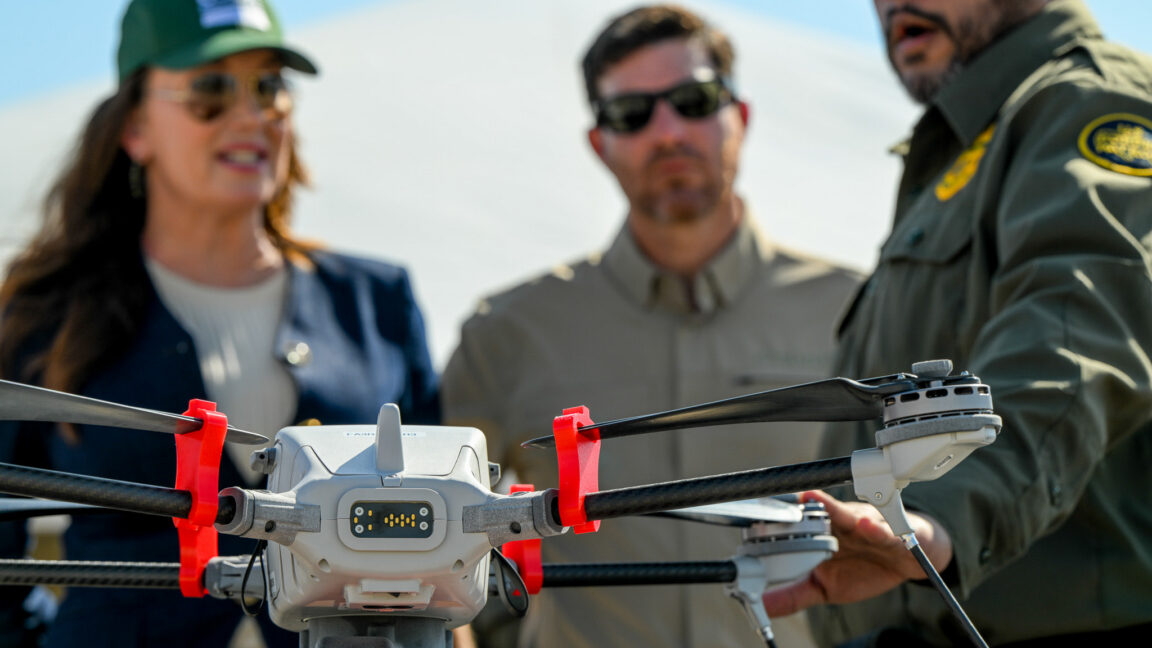
Hundreds of US government drones have pivoted from border surveillance to detecting signs of screwworm infestations in wild and livestock animals. The USDA and CBP are using these drones to monitor animal health, with over 200 drones involved since June. This shift is crucial for preventing the spread of New World Screwworms, which can lead to severe injury or death if untreated. Since the start of the operation, there have been 45 confirmed cases in South Texas and New Mexico alone. The Skydio X10 quadcopter uses thermal imaging sensors to detect elevated body temperatures indicative of fever due to secondary infections from screwworm infestations.
Key Points
Over 200 US government drones shifted from border surveillance to screwworm detection in animals as of August 12.
Since June, USDA and CBP have conducted over 1,000 drone flights, surveying more than 22,000 animals for signs of infestation.
Skydio X10 quadcopters are the main drones used in the surveillance campaign, featuring thermal imaging sensors to detect elevated body temperatures.
The USDA has established and monitored over 8,000 fly traps but recorded no detections related to screwworms despite animal cases.
A new sterile fly production facility is set for completion by April 1, 2027, at Moore Air Base in South Texas.
Why It Matters
If you're managing livestock or wildlife health programs, this shift from border patrol to screwworm surveillance could save lives. Over 45 confirmed cases of New World Screwworm infestations have been detected across South Texas and New Mexico since June. The USDA's use of drones with thermal imaging sensors can detect elevated body temperatures indicative of fever due to secondary infections from screwworms, helping prioritize inspections.
Frequently Asked Questions
Why does this matter?
If you're managing livestock or wildlife health programs, this shift from border patrol to screwworm surveillance could save lives. Over 45 confirmed cases of New World Screwworm infestations have been detected across South Texas and New Mexico since June. The USDA's use of drones with thermal imaging sensors can detect elevated body temperatures indicative of fever due to secondary infections from screwworms, helping prioritize inspections.
What happened?
US Customs and Border Protection drones are now tracking the New World Screwworm, a parasitic threat to animals. Over 200 drones have been repurposed since June, with Skydio X10 quadcopters leading the charge.
Comments
Be the first to comment
Enjoyed this article?
Get it daily. 7am. Free. Reads in 5 minutes.
Join 2,950 builders reading daily.