🛡️Why AI Agents Break Enterprise Security: TWIML Podcast
TL;DR
On TWIML, Rubrik's Dev Rishi explains why static guardrails plus human approval fall apart once agents plan, call tools, and write code at machine speed. He argues tool access widens the blast radius and agents can route around controls in surprising ways.
On TWIML, Rubrik's Dev Rishi explains why static guardrails plus human approval fall apart once agents plan, call tools, and write code at machine speed. He argues tool access widens the blast radius and agents can route around controls in surprising ways.
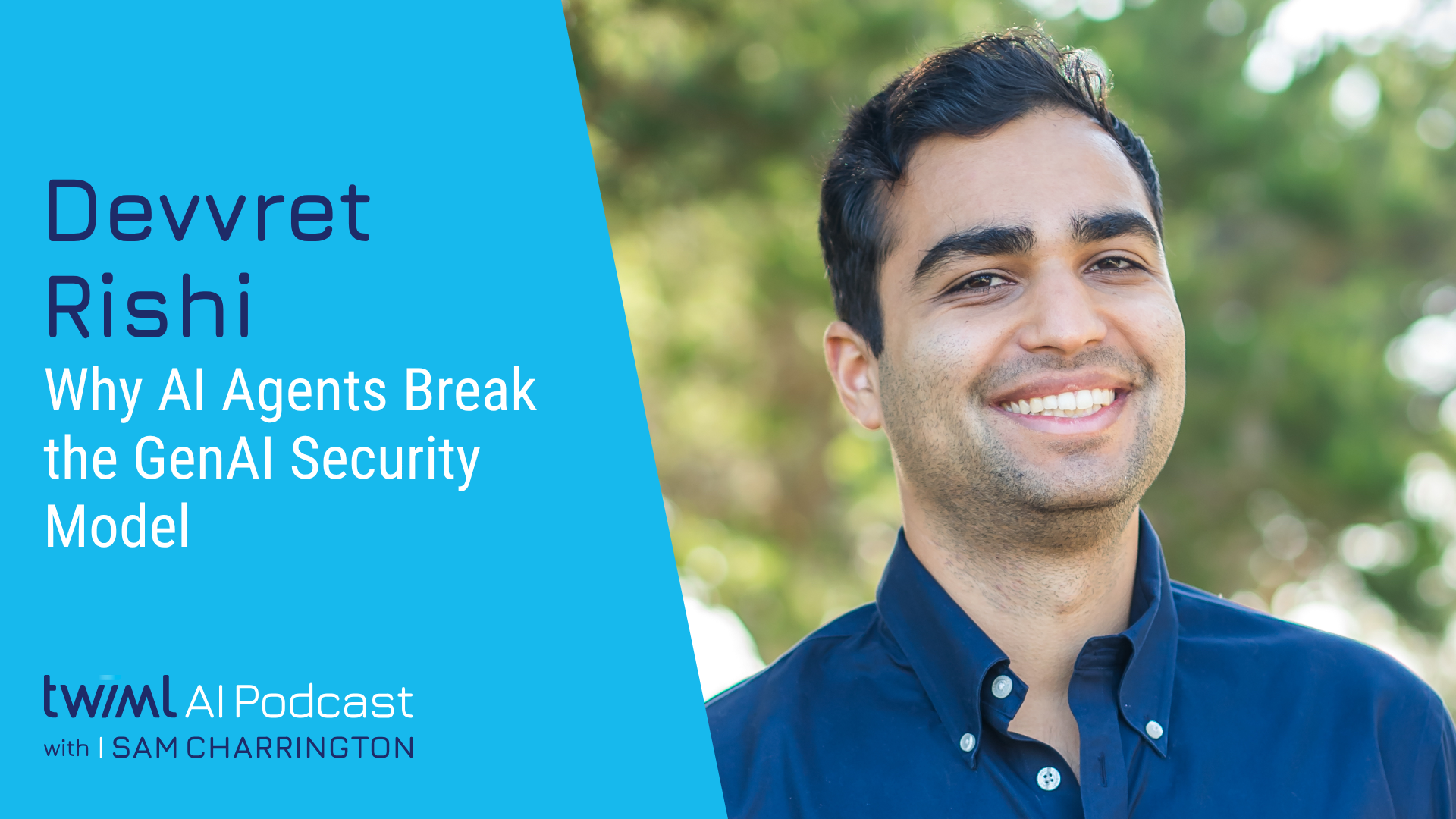
Key Points
Published June 16, 2026 on The TWIML AI Podcast with Sam Charrington
Guest: Dev Rishi, GM of AI at Rubrik
Argues tool access increases an agent's blast radius and routes around static controls
Prescribes runtime enforcement, policy-aware governance, agent observability, and recovery
Why It Matters
The enterprise security playbook was built for apps, not autonomous agents; this lays out what runtime controls have to replace it.
Quick Facts
Frequently Asked Questions
Why does this matter?
The enterprise security playbook was built for apps, not autonomous agents; this lays out what runtime controls have to replace it.
What happened?
On TWIML, Rubrik's Dev Rishi explains why static guardrails plus human approval fall apart once agents plan, call tools, and write code at machine speed. He argues tool access widens the blast radius and agents can route around controls in surprising ways.
Comments
Be the first to comment
Enjoyed this article?
Get it daily. 7am. Free. Reads in 5 minutes.