🛠️Why Enterprise AI Agents Keep Giving Confident Wrong Answers
TL;DR
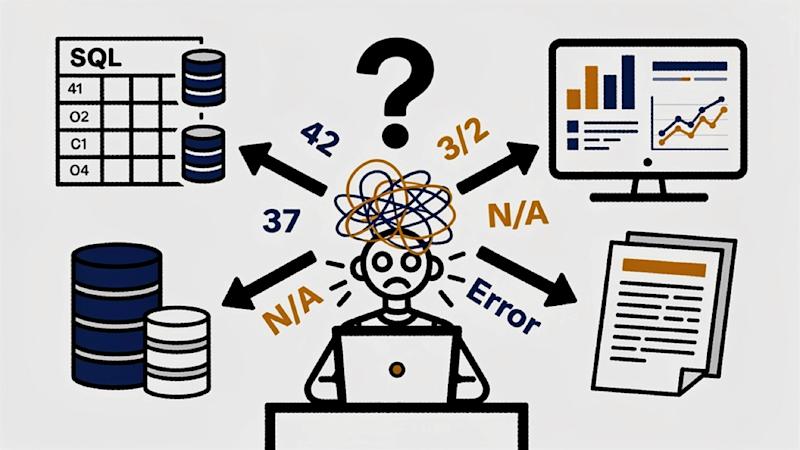
VentureBeat digs into the context layer behind agent hallucinations, using Snowflake's new Horizon Context and Cortex Sense as the case study. The two-layer system lifted agent accuracy from 47% to 83% by building a shared definition of business logic from query history, metadata, and BI dashboards.
VentureBeat digs into the context layer behind agent hallucinations, using Snowflake's new Horizon Context and Cortex Sense as the case study. The two-layer system lifted agent accuracy from 47% to 83% by building a shared definition of business logic from query history, metadata, and BI dashboards. The takeaway: retrieval is not the bottleneck, context is.
Key Points
Snowflake's two layers are Horizon Context and Cortex Sense, sitting above its retrieval stack
Reported agent accuracy rose from 47% to 83% once a shared context substrate was added
Context is auto-built from query history, object metadata, BI dashboards, and semantic views
Snowflake ties it to the Open Semantic Interchange so definitions stay portable across tools
Why It Matters
If a governed context layer roughly doubles agent accuracy, the next enterprise AI budget line is semantics and metadata, not another vector database or bigger model.
Quick Facts
Frequently Asked Questions
Why does this matter?
If a governed context layer roughly doubles agent accuracy, the next enterprise AI budget line is semantics and metadata, not another vector database or bigger model.
What happened?
VentureBeat digs into the context layer behind agent hallucinations, using Snowflake's new Horizon Context and Cortex Sense as the case study. The two-layer system lifted agent accuracy from 47% to 83% by building a shared definition of business logic from query history, metadata, and BI dashboards.
Comments
Be the first to comment
Enjoyed this article?
Get it daily. 7am. Free. Reads in 5 minutes.
Join 2,085 builders reading daily.