The stories worth reading. Updated all day.
Meta's business-focused AI tools are now handling around 10 million conversations per week, a tenfold increase since January. This growth highlights Meta’s strategy to scale before monetization, offering free services to small businesses to establish market dominance. The company has also integrated its new large language model, Muse Spark, into various business products and seen strong adoption for ad creative tools, with over 8 million advertisers using them. Advertisers leveraging the video generation feature see a 3% increase in conversion rates.
Instagram just announced an update to its algorithm, targeting accounts that regularly repost content they didn't create or share as photos and carousels. The change ensures creators get more visibility for their original work. Instagram is expanding protections from reels to include photos and carousels, focusing on content aggregators that don’t post unique material. This means less exposure for low-effort edits like adding watermarks or changing video speed.
Meta is tightening its rules around unoriginal content on both Instagram and Facebook, aiming to boost visibility for creators who produce their own material. Starting now, accounts must post wholly created or uniquely interpreted content to receive recommendations from the platform's algorithms. This shift targets viral clipping strategies that rely on reposting popular content without adding value. Creators will need to ensure they are putting a unique spin on any reused content to avoid losing out on organic reach and monetization opportunities.
Colossal, backed by major investors including Peter Thiel, has secured over $100 million for its ambitious de-extinction projects aimed at reviving lost species such as the woolly mammoth and bluebuck. The company's novel ovum pickup technique allows them to collect genetic material from live animals, which could be used in conservation efforts. However, critics like ecologist Douglas McCauley argue that focusing on extinct species diverts attention from critically endangered ones still in need of help.
Meta has bumped its AI investment by $10 billion for 2023, reflecting higher-than-expected compute demand. This comes as Meta's revenue grew by 33% to $56.3 billion in Q4, but the company also reported a drop of 20 million daily active users due to internet disruptions and access restrictions. The Reality Labs unit lost $4.03 billion over three months, leading to layoffs since January. This increased spending is driven by anticipated higher component prices and future data center capacity needs.
OpenAI is set to launch the specialized cybersecurity model GPT-5.5-Cyber in the coming days, but it won't be available to everyone just yet. This new model will initially only be accessible to a select group of 'trusted' entities, reflecting growing industry concerns about potential misuse of advanced AI models. The limited rollout is part of a broader trend where companies like OpenAI and Anthropic are taking a cautious approach with their most powerful models due to security risks. The White House has shown interest in such measures, opposing further expansion of access to similar models like Claude Mythos out of cybersecurity concerns. GPT-5.5-Cyber is based on the recently released GPT-5.5 model but tailored specifically for cybersecurity applications. However, OpenAI hasn't provided technical details or specifications about this new version.
Get it daily. 7am. Free. Reads in 5 minutes.
Young adults are increasingly disillusioned with artificial intelligence (AI), according to recent surveys. Only 18% of Gen Z workers now express hope for AI's future, down from 27% last year. This shift is driven by concerns that AI tools like chatbots prevent critical thinking and make learning more difficult. Despite high usage rates—74% use a chatbot monthly—the majority believe AI risks outweigh benefits. Universities are also facing backlash as they integrate AI into curricula, often without clear benefits for students.
DJI has just unveiled the Osmo Pocket 4, an evolutionary upgrade over its predecessor. The standout feature is a new sensor that bumps up dynamic range to 14 stops and doubles low-light performance to ISO 25,600. This means better shots in dim conditions for vloggers and content creators. Despite these improvements, the gimbal hardware remains unchanged, so don't expect major stabilization upgrades. The camera now supports 4K slow-motion recording at up to 240fps, making it a solid choice for capturing high-speed action.
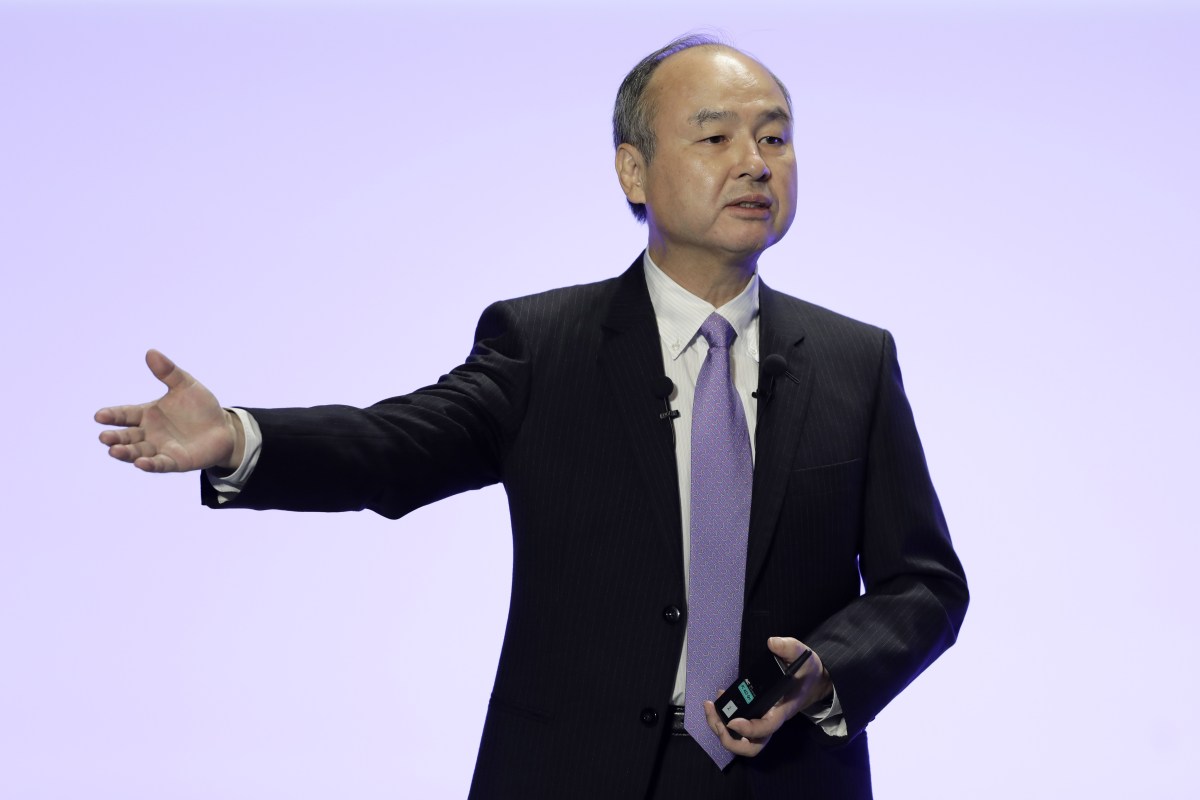
SoftBank is launching Roze AI, an ambitious project aimed at automating data center construction in the US through the use of autonomous robots. This move could significantly reduce costs and increase efficiency in a sector that's notoriously labor-intensive and slow-moving. The company plans to go public by mid-2026 with a valuation target of $100 billion, making it one of the most anticipated tech IPOs of the next few years. However, some insiders at SoftBank are skeptical about the timeline and valuation goals given past failures like Zume's bankruptcy in 2023.
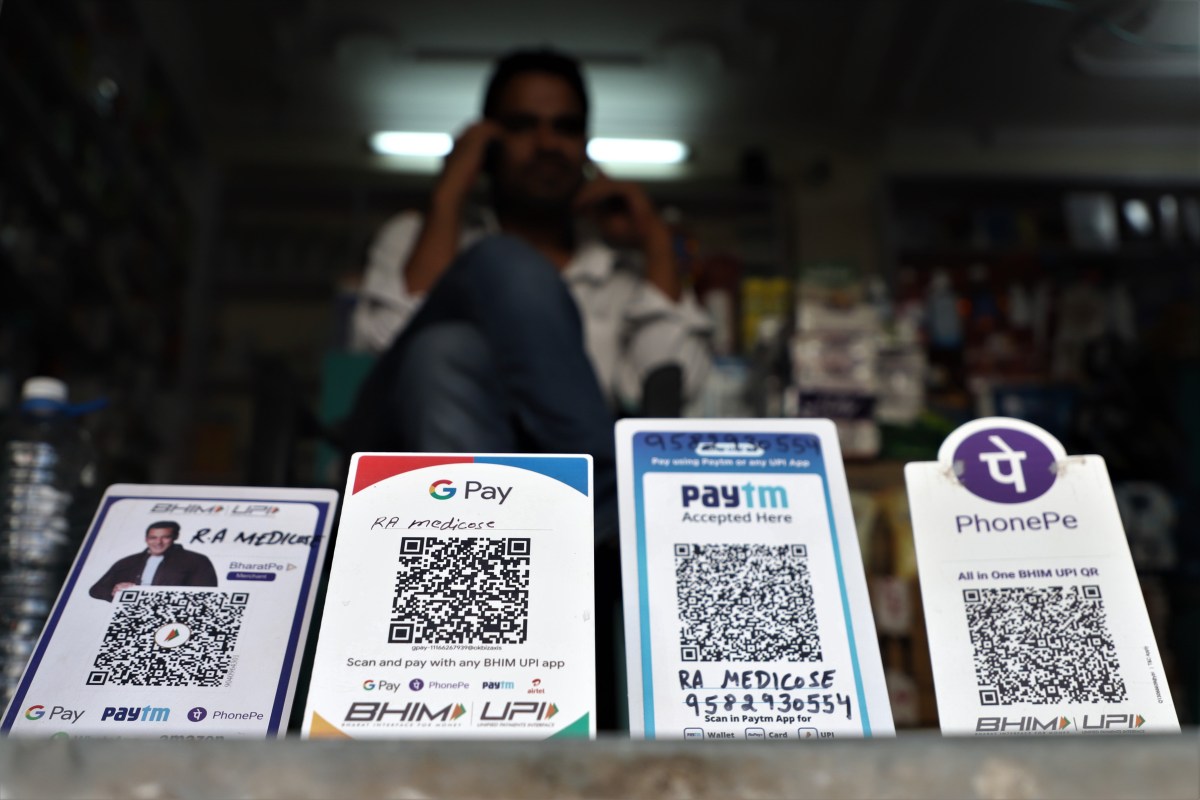
UPI stakeholders are set to meet the National Payments Corporation of India (NPCI) this Thursday to discuss the dominance of Walmart-owned PhonePe and Google Pay in India's instant payments network. With these two apps controlling roughly 80% of UPI transactions, smaller players like Amazon Pay and CRED are pushing for restrictions on user acquisition practices and fair access to features like autopay. The NPCI faces a delicate balance between curbing monopolistic behavior and maintaining the widespread use of these services by hundreds of millions of users.
AWS just posted a 28% year-over-year surge in net sales, reaching $37.6 billion in Q1. The company's cloud business is thriving due to its critical position in supporting the AI industry. For developers and teams relying on AWS for compute resources, this growth signals continued investment in infrastructure that will likely benefit their workflows. Key details: AWS' revenue run rate from AI services alone now exceeds $15 billion, up from a mere $58 million three years ago.
Anthropic is in talks to secure a massive funding round worth between $40 billion and $50 billion, pushing its valuation up to an astonishing $850 billion to $900 billion. This influx of capital underscores the company’s rapid expansion and growing dominance in AI coding solutions like Claude Code and Cowork. For developers and businesses relying on Anthropic's platforms, this means potential for even more robust tools and services as the company continues to innovate at breakneck speed.